



128 nations adopt nonbinding autonomous weapons framework as treaty calls continue
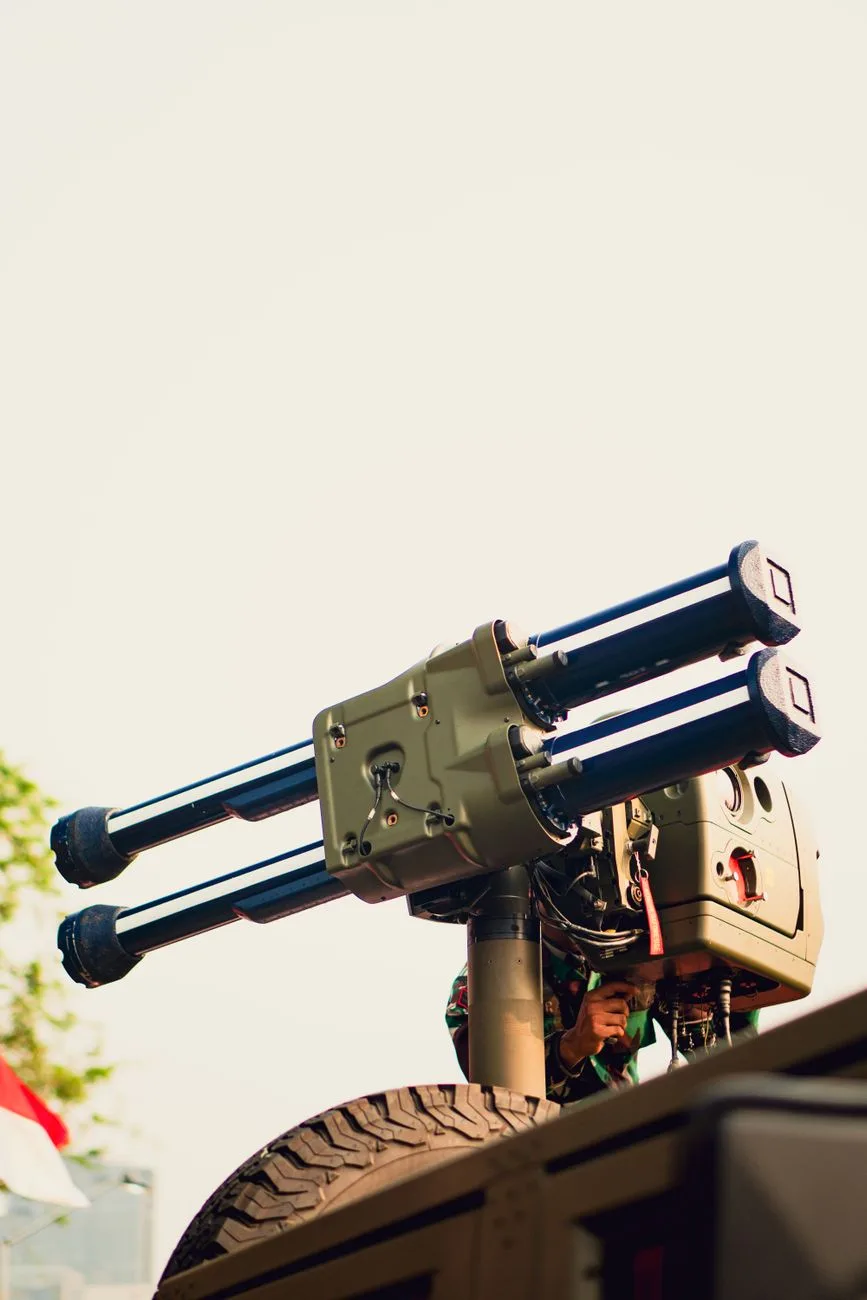
Representatives of 128 countries agreed in Geneva on a nonbinding framework addressing lethal autonomous weapons systems, after more than a decade of negotiations over weapons that can identify and engage targets with limited or no human intervention. The document defines the weapons and outlines measures intended to reduce civilian harm, but it does not impose legal obligations or establish a treaty. Advocacy groups and human rights organizations said the final language was weakened, particularly on the definition of autonomy and requirements for human judgment and civilian protection. The United States and Russia favored national guidelines and greater flexibility over binding international rules, while other countries urged negotiations toward a legally enforceable treaty. The framework could provide a basis for further discussions at the Convention on Certain Conventional Weapons’ November review conference, amid growing concern about autonomous weapons in conflicts including Ukraine, Sudan and the Middle East.