Cuba, officially the Republic of Cuba, is an island country in the Caribbean. It comprises the eponymous main island as well as 4,195 islands, islets, and cays. Situated at the convergence of the Caribbean Sea, Gulf of Mexico, and Atlantic Ocean, Cuba is located east of the Yucatán Peninsula, south of both Florida and the Bahamas, west of Hispaniola, and north of Jamaica and the Cayman Islands. Cuba is the largest country in the Caribbean by area and the third-largest by population, after Haiti and the Dominican Republic. Culturally, Cuba is considered to be part of Latin America. Its capital and largest city is Havana.
Cuba was inhabited as early as the 4th millennium BC, with the Guanahatabey and Taíno peoples present at the time of Spanish colonization in the 15th century. Cuba's population descends primarily from three groups: pre-Columbian indigenous peoples, chiefly the Taíno and Ciboney, Spanish settlers and immigrants (mainly from Andalusia, the Canary Islands, Galicia, and Asturias), and sub-Saharan Africans brought through the transatlantic slave trade. The territory remained part of the Spanish Empire until the Spanish–American War of 1898, after which it was occupied by the United States and gained independence in 1902. A 1933 coup toppled the democratically elected government of Carlos Manuel de Céspedes y Quesada and began a long period of military influence, particularly by Fulgencio Batista. In 1940, Cuba implemented a new constitution, but mounting political unrest culminated in the 1952 Cuban coup d'état. Batista's autocratic government was eventually overthrown in January 1959 by the 26th of July Movement, during the Cuban Revolution. The revolution established a communist government under Fidel Castro that remains to this day. Castro's government became a major point of contention between the Soviet Union and the United States during the Cold War; the 1962 Cuban Missile Crisis is widely considered to be the closest the world has come to a nuclear war.
During the 1970s through the late 1980s, Cuba intervened in numerous conflicts in support of anti-colonial and Marxist governments or movements across Africa, Latin America, and the Middle East. According to a CIA declassified report, Cuba had received $33 billion in Soviet aid by 1984. Following the dissolution of the Soviet Union, Cuba faced a severe economic downturn in the 1990s, known as the Special Period. In 2008, Castro retired after 49 years; Raúl Castro was elected his successor. Raúl retired as president of the Council of State in 2018, and Miguel Díaz-Canel was elected president by the National Assembly following parliamentary elections. Raúl retired as First Secretary of the Communist Party in 2021, and Díaz-Canel was elected thereafter, becoming Cuba's first leader to have been born after the Cuban Revolution.
Cuba is a socialist state in which the role of the Communist Party is enshrined in the Constitution. Cuba is currently the world's only communist country outside of Asia. Cuba has an authoritarian government wherein political opposition is prohibited. Censorship is extensive, and independent journalism is repressed; Reporters Without Borders has characterized Cuba as one of the worst countries for press freedom. Cuba is a founding member of the UN, G77, NAM, OACPS, ALBA, and OAS. Since 1959, Cuba has regarded the U.S. military base in Guantánamo Bay as illegal and has maintained minefields along its side of the border since 1961.
Cuba has one of the world's few command economies, and its economy is dominated by tourism and the exports of skilled labor, sugar, tobacco, and coffee. Cuba has historically—before and during communist rule—performed better than other countries in Latin America and the Caribbean in literacy. After the 1959 revolution, Cuba performed better than other Latin American countries in infant and maternal mortality, and life expectancy. According to a 2012 study, Cuba is the only country in the world to meet the conditions of sustainable development put forth by the WWF. Cuba has a universal health care system that provides free medical treatment to all Cuban citizens, although challenges include low salaries for doctors, poor facilities, poor provision of equipment, and the frequent absence of essential drugs.
A 2023 study by the US-funded Cuban Observatory of Human Rights estimated that 88% of the population lives in extreme poverty. According to the World Food Programme of the United Nations, rationed food meets only a fraction of daily nutritional needs for many Cubans, leading to health issues. Ongoing since 1960, the United States embargo against Cuba stands as one of the longest-running trade and economic measures in bilateral relations in history.
Contents
Etymology
Historians believe the name Cuba comes from the Taíno language; however, its derivation is unknown. Cuba may be translated either as 'where fertile land is abundant' (cubao), or 'great place' (coabana).
Another hypothesis on the name's origin is that the island was named after the town of Cuba, Portugal, supported by those who believe that Christopher Columbus was Portuguese.
History
Pre-Columbian era
Humans first settled Cuba around 6,000 years ago, descending from migrations from northern South America or Central America. The arrival of humans on Cuba is associated with extinctions of the island's native fauna, particularly its endemic sloths. The Arawakan-speaking ancestors of the Taíno people arrived in the Caribbean in a separate migration from South America around 1,700 years ago. Recent archaeogenetic evidence indicates that this expansion largely replaced the earlier pre-ceramic populations of the island with almost no genetic admixture between the groups. Unlike the previous settlers of Cuba, the Taíno extensively produced pottery and engaged in intensive agriculture. The Taíno practice of tobacco smoking was introduced to Europe by the Spanish and spread globally through the Columbian exchange. The earliest evidence of the Taíno people on Cuba dates to the 9th century. Descendants of the first settlers of Cuba persisted on the western part of the island until Columbian contact, where they were recorded as the Guanahatabey people, who lived a hunter-gatherer lifestyle.
Spanish colonization and rule (1492–1898)
Christopher Columbus first arrived in Cuba on 27 October 1492 during his famous first voyage and landed the following day. Columbus claimed the island for the new Kingdom of Spain and named it Isla Juana ("John's Island") after John, Prince of Asturias.
In 1511 the first Spanish settlement was founded by Diego Velázquez de Cuéllar at Baracoa. Other settlements followed, including San Cristobal de la Habana, founded in 1514 (southern coast of the island) and then in 1519 (current place), which later became the capital (1607). The Taíno were forced to work under the encomienda system, which resembled the feudal system in medieval Europe. Within a century, the Taíno faced high incidence of mortality from multiple factors—primarily Eurasian infectious diseases to which they had no acquired immunity, aggravated by the harsh conditions of the repressive colonial subjugation. In 1529, a measles outbreak killed two-thirds of those few indigenous individuals who had previously survived smallpox.
On 18 May 1539, conquistador Hernando de Soto departed from Havana with some 600 followers on an extensive expedition through the Southeastern United States in search of gold, treasure, fame, and power. On 1 September 1548, Gonzalo Perez de Angulo was appointed governor of Cuba. He arrived in Santiago de Cuba on 4 November 1549 and declared the liberty of the indigenous population. He became Cuba's first permanent governor, residing in Havana, and he built the first church made of masonry in Cuba.
By 1570, most residents of Cuba had a mixture of Spanish, African, and Taíno heritages. Cuba developed slowly and, unlike the plantation islands of the Caribbean, had a diversified agriculture. Most importantly, the colony developed as an urbanized society that primarily supported the Spanish colonial empire. By the mid-18th century, there were 50,000 slaves on the island. Estimates suggest that between 1790 and 1820, some 325,000 Africans were imported to Cuba as slaves, which was four times the amount that had arrived between 1760 and 1790.
In 1812, the Aponte slave rebellion took place, but it was ultimately suppressed. The population in 1817 was 630,980 (of which 291,021 were white, 115,691 were free people of color (mixed-race), and 224,268 black slaves). The population in 1841 was 1,007,624, of whom 425,521 were black slaves, 418,291 were white.
Independence movements
Full independence from Spain was the goal of a rebellion in 1868 led by planter Carlos Manuel de Céspedes. De Céspedes, a sugar planter, freed his slaves to fight with him for an independent Cuba. On 27 December 1868, he issued a decree condemning slavery in theory—but accepting it in practice—and declaring free any slaves whose masters presented them for military service. The 1868 rebellion resulted in a prolonged conflict known as the Ten Years' War. The Cuban rebels were joined by former Dominican colonial officers, volunteers from Canada, Colombia, France, Mexico, the United States, and Chinese indentured servants, but lacked support from wealthy planters and the majority of slaves. In the early stages of the Ten Years' War, Dominicans commanded four of the six insurgent regions in eastern Cuba. Racial, social, and regional bias significantly contributed to the defeat of the Cuban Liberation Army.
The United States declined to recognize the new Cuban government, although many European and Latin American nations did. In 1878, the Pact of Zanjón ended the conflict, with Spain promising greater autonomy to Cuba. In 1879–80, Cuban patriot Calixto García attempted to start another war known as the Little War but failed to receive enough support. Slavery in Cuba was abolished in 1875, with the process completed by 1886. Exiled dissident José Martí founded the Cuban Revolutionary Party in New York City in 1892. The party aimed to achieve Cuban independence from Spain. In 1895, he traveled to San Fernando de Monte Cristi and Santo Domingo in the Dominican Republic to join the efforts of Máximo Gómez. He recorded his political views in the Manifesto of Montecristi. Fighting against the Spanish army began in Cuba on 24 February 1895, and Martí arrived in April. He was killed in the Battle of Dos Rios on 19 May 1895. His death immortalized him as Cuba's national hero.
Around 200,000 Spanish troops outnumbered the much smaller rebel army, which relied mostly on guerrilla and sabotage tactics. The Spaniards began a campaign of suppression. General Valeriano Weyler, the military governor of Cuba, herded the rural population into what he called reconcentrados, described by international observers as "fortified towns". These are often considered the prototype for 20th-century concentration camps. Between 200,000 and 400,000 Cuban civilians died from starvation and disease in the Spanish concentration camps, numbers verified by the Red Cross and United States Senator Redfield Proctor, a former Secretary of War. American and European protests against Spanish conduct on the island followed. The U.S. battleship USS Maine was sent to protect American interests, but soon after its arrival, it exploded in the Havana Harbor and sank quickly, killing nearly three-quarters of the crew. The cause and responsibility for the ship's sinking remained unclear after a board of inquiry. Popular opinion in the U.S., fueled by active yellow press, concluded that the Spanish were to blame and demanded action. Spain and the United States declared war on each other in late April 1898.
Republic (1902–1959)
After the Spanish–American War, Spain and the United States signed the Treaty of Paris (1898), by which Spain relinquished sovereignty over Cuba and ceded Puerto Rico, Guam, and the Philippines to the United States for the sum of US $20 million The U.S. excluded the Cuban revolutionaries from the peace conference. On 1 January 1899, Captain-General Adolfo Jiménez Castellanos surrendered Havana to General John R. Brooke, ending 400 years of Spanish rule. The destruction of Cuban farms and plantations facilitated the transfer of property to American ownership. Americans invested $50 million, mainly in sugar and tobacco plantations and mining, gaining control over much of Cuba's economy.
With the end of U.S. military government jurisdiction, Cuba gained formal independence on 20 May 1902 as the Republic of Cuba. Under Cuba's constitution, the United States retained the right to intervene in Cuban affairs and to supervise its finances and foreign relations. Under the Platt Amendment, the U.S. leased the Guantánamo Bay Naval Base from Cuba.
Following disputed elections in 1906, the first president, Tomás Estrada Palma, faced an armed revolt by independence war veterans who defeated the meager government forces. The U.S. intervened by occupying Cuba and named Charles Edward Magoon as governor for three years. Cuban historians have characterized Magoon's governorship as introducing political and social corruption. In 1908, self-government was restored when José Miguel Gómez was elected president, but the U.S. continued intervening in Cuban affairs. In 1912, the Partido Independiente de Color attempted to establish a separate black republic in Oriente Province, but was suppressed by General Monteagudo with considerable bloodshed.
In 1924, Gerardo Machado was elected president. During his administration, tourism increased markedly, and American-owned hotels and restaurants were built to accommodate the influx of tourists. The tourist boom led to increases in gambling and prostitution in Cuba. The Wall Street crash of 1929 led to a collapse in the price of sugar, political unrest, and repression. Protesting students, known as the Generation of 1930, turned to violence in opposition to the increasingly unpopular Machado. A general strike (in which the Communist Party sided with Machado), uprisings among sugar workers, and an army revolt forced Machado into exile in August 1933. He was replaced by Carlos Manuel de Céspedes y Quesada, son of the revolutionary hero Carlos Manuel de Céspedes.
Revolutionary government (1959–present)
The US government initially reacted favorably to the Cuban Revolution, seeing it as part of a movement to bring democracy to Latin America. Castro's legalization of the Communist Party and the hundreds of executions of Batista agents, policemen, and soldiers that followed caused a deterioration in the relationship between the two countries. The promulgation of the Agrarian Reform Law, expropriating thousands of acres of farmland (including from large U.S. landholders), further worsened relations. In response, between 1960 and 1964 the U.S. imposed a range of sanctions, eventually including a total ban on trade between the countries and a freeze on all Cuban-owned assets in the U.S. In February 1960, Castro signed a commercial agreement with Soviet Vice-Premier Anastas Mikoyan.
In March 1960, U.S. President Dwight D. Eisenhower gave his approval to a CIA plan to arm and train a group of Cuban refugees to overthrow the Castro government. The CIA provided B-26 light bombers and ships to the rebels for the invasion. On 15 April 1961 at dawn, Brigade 2506 flew from Puerto Cabezas, Nicaragua, and carried out preemptive airstrikes on Cuban military airfields at San Antonio de Los Baños, Ciudad Libertad, Pinar del Río, and Santiago de Cuba, destroying five aircraft and damaging an indeterminable number. The invasion (known as the Bay of Pigs Invasion) took place on 17 April, during the term of President John F. Kennedy. About 1,400 Cuban exiles disembarked at the Bay of Pigs. Cuban troops and local militias defeated the invasion by 19 April, killing over 100 invaders and taking the remainder prisoner. Five B-26s were shot down by the Cuban air force, and one was downed by anti-aircraft fire. In 1961, the U.S. and Cuba laid minefields along opposite sides of the Guantánamo Bay perimeter. In January 1962, Cuba was suspended from the Organization of American States (OAS), which imposed sanctions of similar nature to the U.S. sanctions. The failed amphibious assault on Cuba contributed to the Soviet decision to deploy R-12 missiles there, and the ensuing Cuban Missile Crisis of October 1962 almost sparked World War III. A settlement was reached without Cuba's participation, under which Soviet missiles were withdrawn from Cuba in exchange for a U.S. pledge not to invade the island. In 1962, American generals proposed Operation Northwoods which would entail committing terrorist attacks in American cities and against refugees and falsely blaming the attacks on the Cuban government, manufacturing a reason for the United States to invade Cuba. This plan was rejected by Kennedy. By 1963, Cuba was moving towards a full-fledged communist state system modeled on the USSR.
Geography
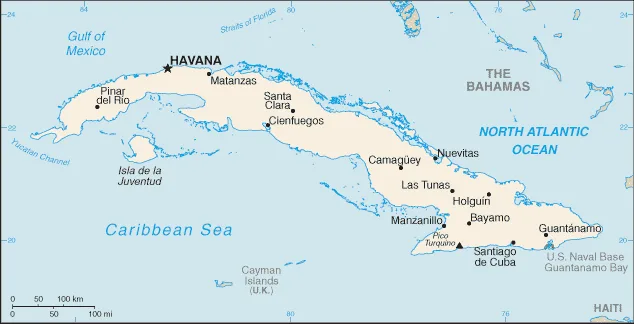
Cuba is an archipelago of 4,195 islands, cays and islets located in the northern Caribbean Sea at the convergence of the Gulf of Mexico and the Atlantic Ocean. It lies between latitudes 19° and 24°N, and longitudes 74° and 85°W. Key West, Florida, is about 150 km (93 miles) across the Straits of Florida to the north and northwest, and The Bahamas (Cay Lobos) 22.5 km (14 mi) to the north. Mexico lies 210 km (130.5 mi) west across the Yucatán Channel (to the closest tip of Cabo Catoche). Haiti is 78 km (48.5 mi) east and Jamaica 148 km (92 mi) south.
Cuba is the principal island, surrounded by four smaller groups of islands: the Colorados Archipelago on the northwestern coast, the Sabana-Camagüey Archipelago on the north-central Atlantic coast, the Jardines de la Reina on the south-central coast and the Canarreos Archipelago on the southwestern coast. The main island, named Cuba, is 1,250 km (780 mi) long, constituting most of the nation's land area (104,338 km2 or 40,285 sq mi) and is the largest island in the Caribbean and 17th-largest island in the world. The main island consists mostly of flat to rolling plains apart from the Sierra Maestra mountains in the southeast, whose highest point is Pico Turquino (1,974 m or 6,476 ft). The second-largest island is Isla de la Juventud in the Canarreos Archipelago, with an area of 2,204 km2 (851 sq mi). Cuba has an official area of 109,884 km2 (42,426 sq mi). Its area is 110,860 km2 (42,803 sq mi) according to the CIA.
Climate
With the entire island south of the Tropic of Cancer, the local climate is tropical, moderated by northeasterly trade winds that blow year-round. The temperature is also shaped by the Caribbean Current which brings in warm water from the Equator. This makes the climate of Cuba warmer than that of Hong Kong, which is at around the same latitude as Cuba but has a subtropical rather than a tropical climate. In general (with local variations), there is a drier season from November to April, and a rainier season from May to October. The average temperature is 21 °C (70 °F) in January and 27 °C (81 °F) in July. The warm temperatures of the Caribbean Sea and the fact that Cuba sits across the entrance to the Gulf of Mexico combine to make the country prone to frequent hurricanes. These are most common in September and October.
Climate change is causing an increase in temperature, rising sea levels and shifting precipitation patterns, with an overall decrease in rainfall predicted. These will severely impact industries key to the economy, including agriculture, forestry and tourism. As rainfall is Cuba's only water source, water security is an issue. Warmer temperatures may affect the health of the population, causing an increase in cardiovascular, respiratory and viral diseases. A temperature rise of 2 °C above preindustrial levels can increase the likelihood of extreme hurricane rainfall by three times in Cuba. Climate change mitigation and adaptation plans include renewable energy generation and nature-based solutions, such as restoring mangrove ecosystems.
Hurricane Irma hit the island on 8 September 2017, with winds of 260 km/h (160 mph), at the Camagüey Archipelago. The worst damage was in the keys north of the main island. Hospitals, warehouses and factories were damaged; much of the north coast was without electricity. Nearly one million people, including tourists, were evacuated. The Varadero resort area reported widespread damage. Ten people were killed during the storm, including seven in Havana, most during building collapses. Sections of the capital had been flooded.
Biodiversity
Cuba contains six terrestrial ecoregions: Cuban moist forests, Cuban dry forests, Cuban pine forests, Cuban wetlands, Cuban cactus scrub, and Greater Antilles mangroves. It had a 2019 Forest Landscape Integrity Index mean score of 5.4/10, ranking it 102nd globally out of 172 countries.
Cuba signed the Convention on Biological Diversity (CBD) in 1992. A National Biodiversity Strategy and Action Plan was submitted in 2008. The report contains a detailed breakdown of the numbers of species recorded from Cuba, the main groups being: animals (17,801 species), bacteria (270), chromista (707), fungi, including lichen-forming species (5,844), plants (9,107) and protozoa (1,440).
The native bee hummingbird or zunzuncito is the world's smallest known bird, with a length of 55 mm (2+1⁄8 in). The Cuban trogon or tocororo is the national bird of Cuba and an endemic species. Other endemic species are the Cuban crocodile, Cuban hutia, Cuban solenodon, Cuban gar, Cuban boa, and Polymita picta. Hedychium coronarium, named mariposa in Cuba, is the national flower.
Government and politics
The Republic of Cuba is a unitary one-party socialist state that adheres to the ideology of Marxism–Leninism. The Constitution of 1976, which defines Cuba as a socialist republic, was amended in 1992 and 2002, and is "guided by the ideas of José Martí and the political and social ideas of Marx, Engels and Lenin". The constitution describes the Communist Party of Cuba as the "leading force of society and of the state". The political system reflects the Marxist–Leninist concept of democratic centralism.
The First Secretary of the Communist Party of Cuba is the most senior position in the one-party state. The First Secretary leads the Politburo and the Secretariat, making the office holder the most powerful person in government. Members of both councils are elected by the National Assembly of People's Power. The President of Cuba, who is elected by the Assembly, serves for five years and since the ratification of the 2019 Constitution, there is a limit of two consecutive five-year terms. The People's Supreme Court serves as the highest judicial branch of government. It is also the court of last resort for all appeals against the decisions of provincial courts.
Cuba's national legislature, the National Assembly of People's Power (Asamblea Nacional de Poder Popular), is the supreme state organ of power; 470 members serve five-year terms. The assembly meets twice a year; between sessions legislative power is held by the 31 member Council of Ministers. Candidates for the Assembly are approved by public referendum. All Cuban citizens over 16 who have not been convicted of a criminal offense can vote. Article 131 of the constitution states that voting shall be "through free, equal and secret vote". Article 136 states: "In order for deputies or delegates to be considered elected they must get more than half the number of valid votes cast in the electoral districts".
Elections in Cuba are not considered democratic. In elections for the National Assembly of People's Power there is only one candidate for each seat, which prevents electoral competition. No political party is permitted to nominate candidates or campaign on the island. Candidates are nominated by committees that are firmly controlled by the Communist Party. Voters can select individual candidates on their ballot, select every candidate, or leave every question blank, with no option to vote against candidates.
Administrative divisions
The country is subdivided into 15 provinces and one special municipality (Isla de la Juventud). These were formerly part of six larger historical provinces: Pinar del Río, Habana, Matanzas, Las Villas, Camagüey and Oriente. The present subdivisions closely resemble those of the Spanish military provinces during the Cuban Wars of Independence, when the most troublesome areas were subdivided. The provinces are divided into municipalities.
Foreign relations
Cuba is a founding member of the United Nations, G77, Non-Aligned Movement, Organisation of African, Caribbean and Pacific States, ALBA, and Organization of American States. Cuba has conducted a foreign policy that is uncharacteristic of such a minor, developing country. Under Castro, Cuba was heavily involved in wars in Africa, Central America and Asia. Cuba supported Algeria in 1961–1965 and sent tens of thousands of troops to Angola during the Angolan Civil War. Other countries that featured Cuban involvement include Ethiopia, Guinea, Guinea-Bissau, Mozambique, and Yemen. Lesser known actions include the 1959 missions to the Dominican Republic. The expedition failed, but a prominent monument to its members was erected in their memory in Santo Domingo by the Dominican government, and they feature prominently at the country's Memorial Museum of the Resistance.
In 2008, the European Union and Cuba agreed to resume full relations and cooperation activities. Cuba is a founding member of the Bolivarian Alliance for the Americas. Tens of thousands of Cuban medical personnel have worked abroad, with as many as 30,000 doctors in Venezuela alone via the two countries' oil-for-doctors programme.
In the wake of the Russian invasion of Ukraine and the ongoing international isolation of Russia, Cuba emerged as one of the few countries that maintained friendly relations with the Russian Federation. Diaz-Canel visited Vladimir Putin in Moscow in November 2022, where the two leaders opened a monument of Fidel Castro, as well as speaking out against U.S. sanctions against Russia and Cuba.
Since 1960, the U.S. embargo on Cuba stands as one of the longest-running trade and economic measures in bilateral relations history, having endured for over six decades. This action was initiated in response to a wave of nationalizations that impacted American properties valued at over US$1 billion. U.S. American diplomat Lester D. Mallory wrote an internal memo on 6 April 1960, arguing in favor of an embargo: "The only foreseeable means of alienating internal support is through disenchantment and disaffection based on economic dissatisfaction and hardship. [...] to decrease monetary and real wages, to bring about hunger, desperation and overthrow of government." President Dwight Eisenhower instated an embargo that prohibited all exports to Cuba, with the exception of medicines and certain foods. This measure was intensified in 1962 under the administration of John F. Kennedy, extending the restrictions to Cuban imports, based on the Foreign Assistance Act approved by Congress in 1961. During the Missile Crisis in 1962, the United States even imposed a naval blockade on Cuba, but this was lifted following the resolution of the crisis. The embargo, however, remained in place and has been modified on several occasions over the years.The Cuban Democracy Act of 1992 states that sanctions will continue "so long as it continues to refuse to move toward democratization and greater respect for human rights". The UN General Assembly has passed a resolution every year since 1992 condemning the embargo and stating that it violates the Charter of the United Nations and international law. Cuba considers the embargo a human rights violation. The impact and effectiveness of the embargo have been subjects of intense debate. While some argue it has been "extraordinarily porous" and is not the primary cause of Cuba's economic hardships, others see it as a pressure mechanism aimed at driving change in the Cuban government. According to Arturo Lopez Levy, a professor of international relations, it would be more appropriate to refer to the measure as a "blockade" or "siege", as it goes beyond mere trade restrictions. Other critics of the Cuban government argue that the embargo has been used by the government as an excuse to justify its own economic and political shortcomings.
Military
As of 2018, Cuba spent about US$91.8 million on its armed forces or 2.9% of its GDP. In 1985, Cuba devoted more than 10% of its GDP to military expenditures. During the Cold War, Cuba built up the largest per capita armed forces in Latin America, funded and equipped by the Soviet Union. From 1975 until the late 1980s, Soviet military assistance enabled Cuba to upgrade its military capabilities. After the loss of Soviet subsidies, Cuba scaled down the numbers of military personnel, from 235,000 in 1994 to about 49,000 in 2021.
In 2017, Cuba signed the UN treaty on the Prohibition of Nuclear Weapons. Since signing a defense pact with Belarus in January 2024, Cuba has upgraded its S-125 Pechora air defense systems with Belarusian support, but it does not have a modern networked air defense system.
According to the Global Peace Index, Cuba has a medium state of peace ranked 102 out of 163 countries.
Cuba is considered a military dictatorship in the Democracy-Dictatorship Index and has been described as "a militarized society" with the armed forces having long been the most powerful institution in the country.
Law enforcement
All law enforcement agencies are maintained under Cuba's Ministry of the Interior, which is supervised by the Revolutionary Armed Forces. The Intelligence Directorate conducts intelligence operations and maintains close ties with the Russian Federal Security Service. The US Justice Department considers Cuba a significant counterintelligence threat.
Censorship
The unconditional release of all political prisoners was called for by the EU. In July 2010, the unofficial Cuban Human Rights Commission said there were 167 political prisoners in Cuba, a fall from 201 at the start of the year. The head of the commission stated that long prison sentences were being replaced by harassment and intimidation. Cuba was ranked 19th by the number of imprisoned journalists of any nation in 2021 according to various sources, including the Committee to Protect Journalists and Human Rights Watch. Cuba ranks 171st out of 180 on the 2020 World Press Freedom Index.
The Committees for the Defense of the Revolution surveil their neighborhoods for "counter-revolutionary" activity. Membership is not selective, but leading members are approved by the Cuban Communist Party.
Identity politics
Cuba performs in the top 25% of nations in gender equality. In 2022 Cuba approved a referendum which amended the Family Code to legalise same-sex marriage and allow surrogate pregnancy and same-sex adoption. Gender reassignment surgery and transgender hormone therapy are provided free of charge under the national healthcare system. The government supported the proposed changes, but conservatives and parts of the opposition opposed them. Official policies of the government from 1959 until the 1990s were hostile towards homosexuality, with the LGBT community marginalized on the basis of heteronormativity, traditional gender roles, and strict criteria for moralism.
Economy
The Cuban state asserts its adherence to socialist principles in organizing its largely state-controlled planned economy. Most of the means of production are owned and run by the government, and most of the labor force is employed by the state. Recent years have seen a trend toward more private sector employment. By 2006, public sector employment was 78% and private sector 22%, compared to 91.8% to 8.2% in 1981. Government spending is 78.1% of GDP. Since the early 2010s, following the initial market reforms, it has become popular to describe the economy as being, or moving toward, market socialism. Any firm that hires a Cuban must pay the Cuban government, which in turn pays the employee in Cuban pesos (CUP). After a reform in 2021, the minimum monthly wage is about 2100 CUP (US$81), and the median monthly wage is about 4000 CUP (US$155). According to Carmelo Mesa-Lago, there is widespread consensus that the policies of the revolutionary government decreased poverty until the end of the Cold War. Every Cuban household has a ration book (known as libreta) entitling it to a monthly supply of food and other staples, which are provided at nominal cost. Cuba’s economy is heavily impacted by the US trade embargo, which began in the 1960s.
According to the Havana Consulting Group, in 2014, remittances to Cuba were more than US$3 million, the seventh highest in Latin America. In 2019, remittances had grown to US$6,616 million, but dropped down to US$1,967 million in 2020, due to the COVID-19 pandemic. The pandemic devastated Cuba's tourist industry, which along with a tightening of U.S. sanctions, led to large increase in emigration among younger working-age Cubans. It has been described as a crisis that is "threatening the stability" of Cuba, which "already has one of the hemisphere's oldest populations". According to a controversial 2023 report by the Cuban Observatory of Human Rights, 88% of Cuban citizens live in extreme poverty. The report states that Cubans were concerned about food security and the difficulty in acquiring basic goods.
According to the World Bank, Cuba's GDP per capita was $9,500 as of 2020. But according to the CIA World Factbook, it was $12,300 as of 2016. The United Nations Development Programme gave Cuba a Human Development Index of 0.764 in 2021. The same United Nations agency estimated the country's Multidimensional Poverty Index of 0.003 in 2023.
In 2005, Cuba had exports of US$2.4 billion, ranking 114 of 226 world countries, and imports of US$6.9 billion, ranking 87 of 226 countries. Its major export partners are Canada 17.7%, China 16.9%, Venezuela 12.5%, Netherlands 9%, and Spain 5.9% (2012). Major exports include sugar, nickel, tobacco, fish, medical products, citrus fruits, and coffee; imports include food, fuel, clothing, and machinery. Cuba presently holds debt in an amount estimated at $13 billion, approximately 38% of GDP. Cuba's prior 35% supply of the world's export market for sugar has declined to 10% due to a variety of factors, including a global sugar commodity price drop that made Cuba less competitive on world markets. It was announced in 2008 that wage caps would be abandoned to improve the nation's productivity.
Resources
Cuba's natural resources include sugar, tobacco, fish, citrus fruits, coffee, beans, rice, potatoes, and livestock. Cuba's most important mineral resource is nickel, with 21% of total exports in 2011. The output of Cuba's nickel mines that year was 71,000 tons, approaching 4% of world production. As of 2013 its reserves were estimated at 5.5 million tons, over 7% of the world total. Sherritt International of Canada operates a large nickel mining facility in Moa. Cuba is also a major producer of refined cobalt, a by-product of nickel mining.
Oil exploration in 2005 by the US Geological Survey revealed that the North Cuba Basin could produce about 4.6 billion barrels (730,000,000 m3) to 9.3 billion barrels (1.48×10⁹ m3) of oil. In 2006, Cuba started to test-drill these locations for possible exploitation.
Tourism
Tourism was initially restricted to enclave resorts where tourists would be segregated from Cuban society, referred to as "enclave tourism" and "tourism apartheid". Contact between foreign visitors and ordinary Cubans were de facto illegal between 1992 and 1997. The rapid growth of tourism during the Special Period had widespread social and economic repercussions in Cuba, and led to speculation about the emergence of a two-tier economy.
1.9 million tourists visited Cuba in 2003, predominantly from Canada and the European Union, generating revenue of US$2.1 billion. Cuba recorded 2,688,000 international tourists in 2011, the third-highest figure in the Caribbean (behind the Dominican Republic and Puerto Rico). American tourism was incredibly limited due to the Cuban Missile Crisis until 2016, when most restrictions were limited but some remained in place.
A study in 2018 indicated that Cuba has a potential for mountaineering activity, and that mountaineering could be a key contributor to tourism, along with other activities, e.g. biking, diving, caving. Promoting these resources could contribute to regional development, prosperity, and well-being.
The Cuban Justice minister downplays allegations of widespread sex tourism. According to a Government of Canada travel advice website, "Cuba is actively working to prevent child sex tourism, and a number of tourists, including Canadians, have been convicted of offenses related to the corruption of minors aged 16 and under. Prison sentences range from 7 to 25 years."
Demographics
According to the official census of 2010, Cuba's population was 11,241,161, comprising 5,628,996 men and 5,612,165 women. Its birth rate (9.88 births per thousand population in 2006) is one of the lowest in the Western Hemisphere. Although the country's population has grown by about four million people since 1961, the rate of growth slowed during that period, and the population began to decline in 2006, due to the country's low fertility rate (1.43 children per woman) coupled with emigration.
Ethnoracial groups
Ethnography of Cuba
Cuba's population descends primarily from three groups: Spanish settlers and immigrants—drawn largely from Andalusia, Galicia, Asturias, and the Canary Islands—sub-Saharan Africans transported to the island through the transatlantic slave trade, and the pre-Columbian indigenous peoples, chiefly the Taíno and Ciboney.
Afro-Cubans are descended primarily from the Yoruba people, Bantu people from the Congo basin, Kalabari tribe and Arará from the Dahomey, as well as several thousand North African refugees, most notably the Sahrawi Arabs of Western Sahara.
While Afro-Cubans and Cubans of Spanish descent have endured as distinct ethnocultural units, no equivalent indigenous-descended group survived the catastrophic demographic collapse of the sixteenth century; Taíno ancestry nonetheless persists in the Cuban population at the genetic level, as evidenced by mitochondrial DNA studies.
Cuba's population is therefore multiethnic, and intermarriage between these groups has been widespread across many centuries, producing a significant population of mixed ancestry—not as a product of recent admixture but of long-accumulated intergenerational intermarriage. Consequently, there is significant discrepancy between different estimates of the country's racial composition. A 2014 study based on ancestry-informative markers found that autosomal genetic ancestry in Cuba is 72% European, 20% African, and 8% Indigenous.
The 2002 Cuban census, in which respondents self-identified, found that 65.05% of the population was white, while the 2012 census recorded approximately 27% of Cubans as mestizo o mulato and just under 10% as negro (Black). The 2012 Cuban census recorded, on the same basis, that 64.1% of the population was white (blanco), 26.6% mestizo o mulato (mixed race), and 9.3% Black (negro). As with the 2002 census, these figures reflect self-perception rather than genetic ancestry or externally assigned classification, and have been widely contested by independent researchers who argue that they significantly under-report the Black and mixed-race population.
These figures also diverge markedly from estimates produced by applying the one-drop rule, the hypodescent convention historically specific to the United States, under which any traceable African ancestry classifies a person as Black. The Institute for Cuban and Cuban-American Studies at the University of Miami, using that framework, concluded that 62% of Cubans are Black. However, the one-drop rule does not reflect Cuban or broader Latin American racial classification. In Cuba, as across most of Latin America, people of mixed African and European ancestry—commonly designated mulato—have historically constituted and understood themselves as a distinct category, neither defined in opposition to Blackness nor in denial of it, but in acknowledgement of a mixed heritage that carries its own social and cultural meaning. The Cuban census formally recognises this through its separate mestizo o mulato classification. Applying a binary Black/white framework derived from U.S. legal and social history to Cuban racial self-identification therefore imposes a classificatory logic that Cuban society does not use and that systematically erases the identities of a substantial portion of the population.
Migration
Immigration and emigration have played a prominent part in Cuba's demographic profile. Between the 18th and early 20th century, large waves of Canarian, Catalan, Andalusian, Galician, and other Spanish people immigrated to Cuba. Between 1899 and 1930 alone, nearly one million Spaniards entered Cuba, although many eventually returned to Spain. Other prominent immigrant groups included French, Portuguese, Italian, Russian, Dutch, Greek, British, and Irish, as well as small number of descendants of U.S. citizens who arrived in Cuba in the late 19th and early 20th centuries. As of 2015, the foreign-born population in Cuba was 13,336 inhabitants per the World Bank data.
Post-revolution Cuba has been characterized by significant levels of emigration, which has led to a large and influential diaspora community. During the three decades after January 1959, more than one million Cubans of all social classes—constituting 10% of the total population—emigrated to the United States, a proportion that matches the extent of emigration to the U.S. from the Caribbean as a whole during that period. Prior to 13 January 2013, Cuban citizens could not travel abroad, leave or return to Cuba without first obtaining official permission along with applying for a government-issued passport and travel visa, which was often denied. Those who left the country typically did so by sea, in small boats and fragile rafts.
On 9 September 1994, the U.S. and Cuban governments agreed that the U.S. would grant at least 20,000 visas annually in exchange for Cuba's pledge to prevent further unlawful departures on boats.
In the 2020s Cuba is undergoing its most severe socioeconomic crisis since the fall of the Soviet Union, leading to a record number of Cubans fleeing the island. The number of Cubans trying to enter the United States, primarily through the Mexican border, surged from 39,000 in 2021 to over 224,000 in 2022. In 2022, more than 2% of the population (almost 250,000 Cubans out of 11 million) migrated to the United States, and thousands more went to other countries, a number "larger than the 1980 Mariel boatlift and the 1994 Cuban rafter crisis combined", which were Cuba's previous largest migration events. Many resorted to selling their homes at very low prices to afford one-way flights to Nicaragua, hoping to travel through Mexico to reach the U.S. Internal migration has led to overpopulation in Havana, resulting in people living in makeshift shelters or overcrowded buildings, some of which are on the brink of collapse. Regular power outages harken back to the early 1990s, a time when Soviet subsidies ended, plunging the island into economic hardship. Emigration has continued into the 2020s, with the national population dipping below 10 million for the first time since 1980 in 2025. This signifies a 13% loss of population since 2012, when the Cuban population peaked at 11.2 million.
Languages
The official language is Spanish, and the vast majority of Cubans speak Cuban Spanish, a form of Caribbean Spanish. Lucumí, a dialect of the West African language Yoruba, is also used as a liturgical language by practitioners of Santería, and so only as a second language. Haitian Creole is the second-most spoken language and is spoken by Haitian immigrants and their descendants. Other languages spoken by immigrants include Galician and Corsican. Russian will be the first foreign language taught in schools, as of the 2026-2027 school year.
Religion
Cuba is officially a secular state. Religious freedom increased through the 1980s, with the government amending the constitution in 1992 to drop the state's characterization as atheistic. In 2010, the Pew Forum estimated that religious affiliation is 59.2% Christian, 23% unaffiliated, 17.4% folk religion (such as Santería), and the remaining 0.4% consisting of other religions. In a 2015 survey sponsored by Univision, 44% of Cubans said they were not religious, and 9% did not give an answer while only 34% said they were Christian.
Roman Catholicism is the largest religion, with its origins in Spanish colonization. Despite less than half of the population identifying as Catholics in 2006, it nonetheless remains the dominant faith. Pope John Paul II and Pope Benedict XVI visited Cuba in 1998 and 2011, respectively, and Pope Francis visited in 2015. Prior to each papal visit, the government pardoned prisoners as a humanitarian gesture.
The government's relaxation of restrictions on house churches in the 1990s led to an explosion of Pentecostalism, with some groups claiming as many as 100,000 members. However, Evangelical Protestant denominations, organized into the umbrella Cuban Council of Churches, remain much more vibrant and powerful. Several well-known Cuban religious figures have operated outside the island, including the humanitarian and author Jorge Armando Pérez.
The religious landscape of is strongly defined by syncretisms of various kinds. Christianity is often practiced in tandem with Santería, a mixture of Catholicism and mostly African faiths, which include a number of cults. La Virgen de la Caridad del Cobre (the Virgin of Cobre) is the Catholic patroness of Cuba, and a symbol of Cuban culture. In Santería, she has been syncretized with the goddess Oshun. A breakdown of the followers of Afro-Cuban religions showed that most practitioners of Palo Mayombe were black and dark brown-skinned, most practitioners of Vodú were medium brown and light brown-skinned, and most practitioners of Santería were light brown and white-skinned.
Cuba hosts small communities of Jews (500 in 2012), Muslims (6,000 in 2011), and members of the Baháʼí Faith.
Education
The University of Havana was founded in 1728, and there are several other well-established colleges and universities. In 1957, just before Castro came to power, the literacy rate was as low as fourth in Latin America at 76% according to the United Nations, yet higher than in Spain. Castro created an entirely state-operated system and banned private institutions. School attendance is compulsory from ages six to the end of basic secondary education (normally at age 15), and all students, regardless of age or gender, wear school uniforms with the color denoting grade level. Primary education lasts for six years, secondary education is divided into basic and pre-university education. Cuba's literacy rate of 99.8 percent is eight points higher than the Caribbean average and the tenth-highest globally, largely due to the provision of free education at every level. The high school graduation rate is 94 percent.
Higher education is provided by universities, higher institutes, higher pedagogical institutes, and higher polytechnic institutes. The Ministry of Higher Education operates a distance education program that provides regular afternoon and evening courses in rural areas for agricultural workers. Education has a strong political and ideological emphasis, and students progressing to higher education are expected to have a commitment to the goals of Cuba. Cuba has provided free education to foreign nationals from disadvantaged backgrounds at the Latin American School of Medicine.
Health
After the revolution, Cuba established a free public health system. Cuba's life expectancy at birth is 80.1 years (77.8 for males and 82.6 for females), ranked 58th in the world and 5th in the Americas. Infant mortality declined from 32 infant deaths per 1,000 live births in 1957, to 10 in 1990–95, 6.1 in 2000–2005 and 5.13 in 2009. Historically, Cuba has ranked high in numbers of medical personnel and has made significant contributions to world health since the 19th century.
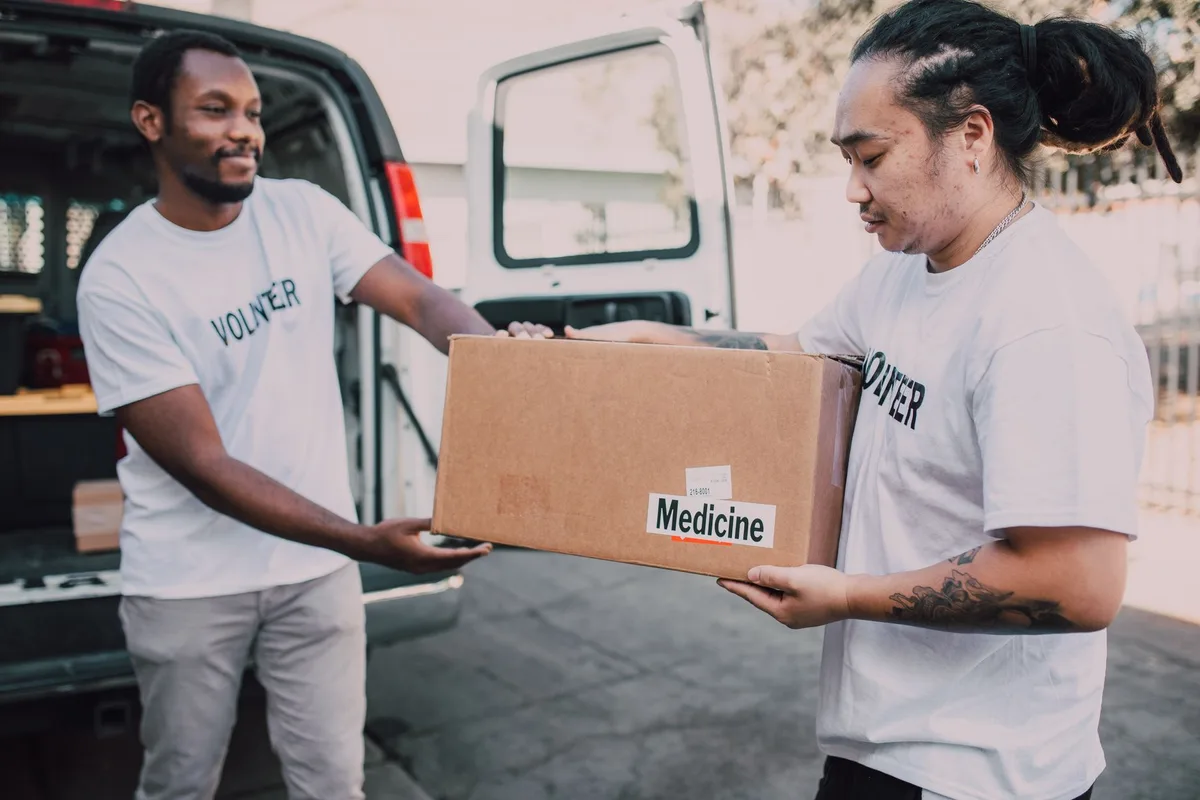
Cuba has universal health care, and despite persistent shortages of medical supplies, there is no shortage of medical personnel. Primary care is available throughout the island, and infant and maternal mortality rates compare favorably with those in developed nations. That an impoverished nation like Cuba has health outcomes rivaling the developed world is referred to by researchers as the Cuban Health Paradox. Cuba ranks 29th on the 2024 Bloomberg Healthiest Country Index, the highest ranking of a developing country. The healthcare system, renowned for its medical services, has emphasized the export of health professionals through international missions, aiding global health efforts. However, while these missions generate significant revenue and serve as a tool for political influence, domestically, Cuba faces challenges including medication shortages and disparities between medical services for locals and foreigners. Despite the income from these missions, only a small fraction of the national budget has been allocated to public health, underscoring contrasting priorities within the nation's healthcare strategy.
Disease and infant mortality increased in the 1960s immediately after the revolution, when half of Cuba's 6,000 doctors left the country. Recovery occurred by the 1980s, and the country's health care has been widely praised. The Communist government stated that universal health care was a priority of state planning and progress was made in rural areas. After the revolution, the government increased rural hospitals from one to 62. Like the rest of the Cuban economy, medical care suffered from severe material shortages following the end of Soviet subsidies in 1991, and a tightening of the U.S. embargo in 1992. Challenges include low salaries for doctors, poor facilities, poor provision of equipment, and the frequent absence of essential drugs.
Cuba has the highest doctor-to-population ratio in the world and has sent thousands of doctors to more than 40 countries around the world. According to the World Health Organization, Cuba is "known the world over for its ability to train excellent doctors and nurses who can then go out to help other countries in need". In 2014 there were around 50,000 Cuban-trained health care workers aiding 66 nations. Cuban physicians have played a leading role in combating the Ebola virus epidemic in West Africa. Preventative medicine is very important within the Cuban medical system, which provides citizens with easy to obtain regular health checks.
Culture
Cuban culture is influenced by its melting pot of cultures, primarily those of Spain, West Africa, and the indigenous Guanahatabey and Taíno. After the 1959 revolution, the government started a national literacy campaign, offered free education to all and established rigorous sports, ballet, and music programs.
Architecture
Cuban architecture reflects a range of historical influences, with its foundations rooted primarily in the Spanish colonial period. Early settlements, or villas, were typically organized around a central church, surrounded by residential structures. These homes often featured interior courtyards and iron grilles, a characteristic element of colonial domestic architecture. Spanish Baroque architecture played a significant role during this era, exemplified by religious buildings such as the Basílica de San Francisco in Havana. In response to the threat of piracy, large fortifications were also constructed, contributing to the island's defensive infrastructure.
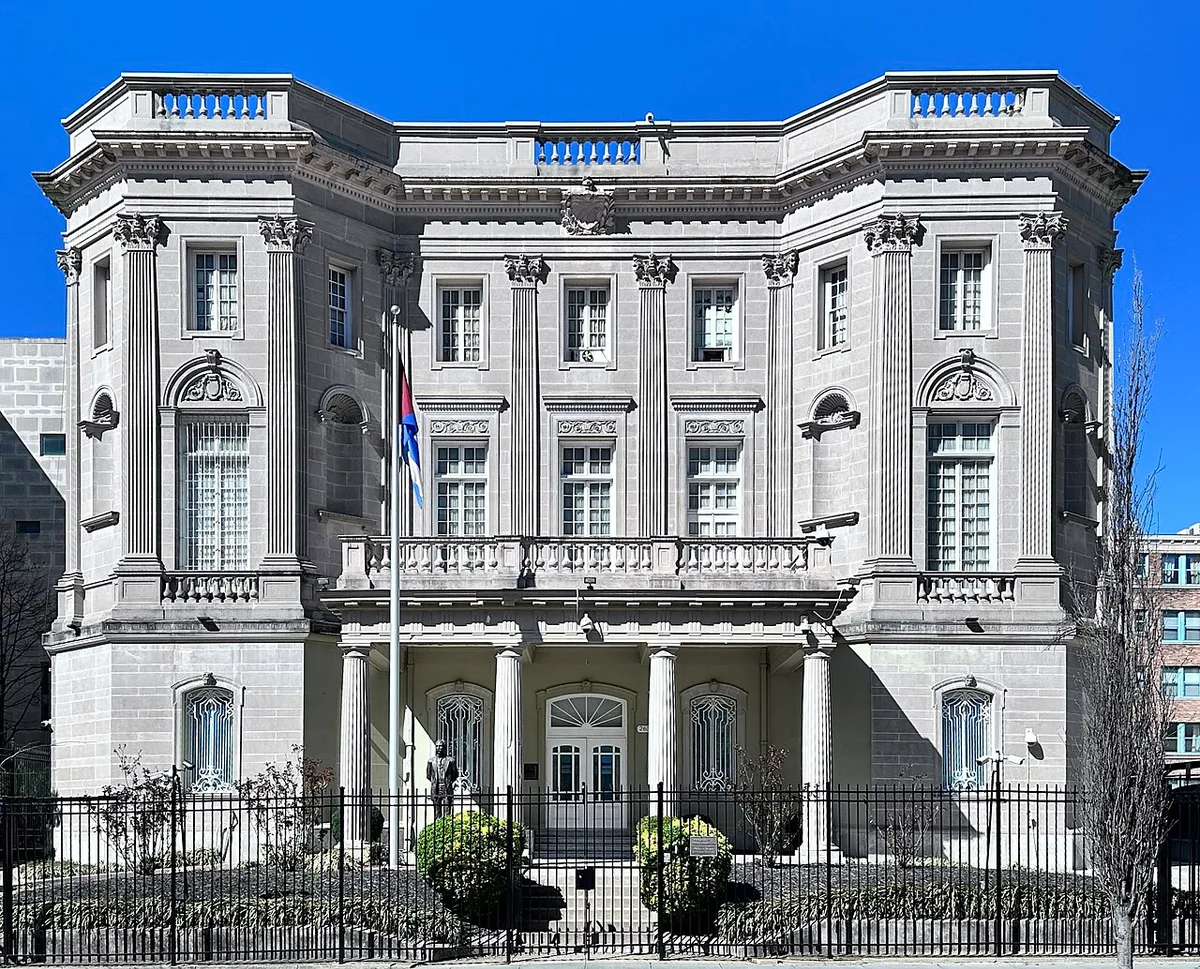
Several historic urban centers developed during the colonial period, many of which have been recognized for their architectural and cultural value. Notable examples include Havana, Camagüey, Cienfuegos and Trinidad, all of which are inscribed as UNESCO World Heritage Sites. These cities display a variety of architectural styles, ranging from Baroque and Neoclassical to eclectic influences. Additional towns such as Santiago de Cuba, Matanzas or Remedios also preserve significant colonial-era architecture.
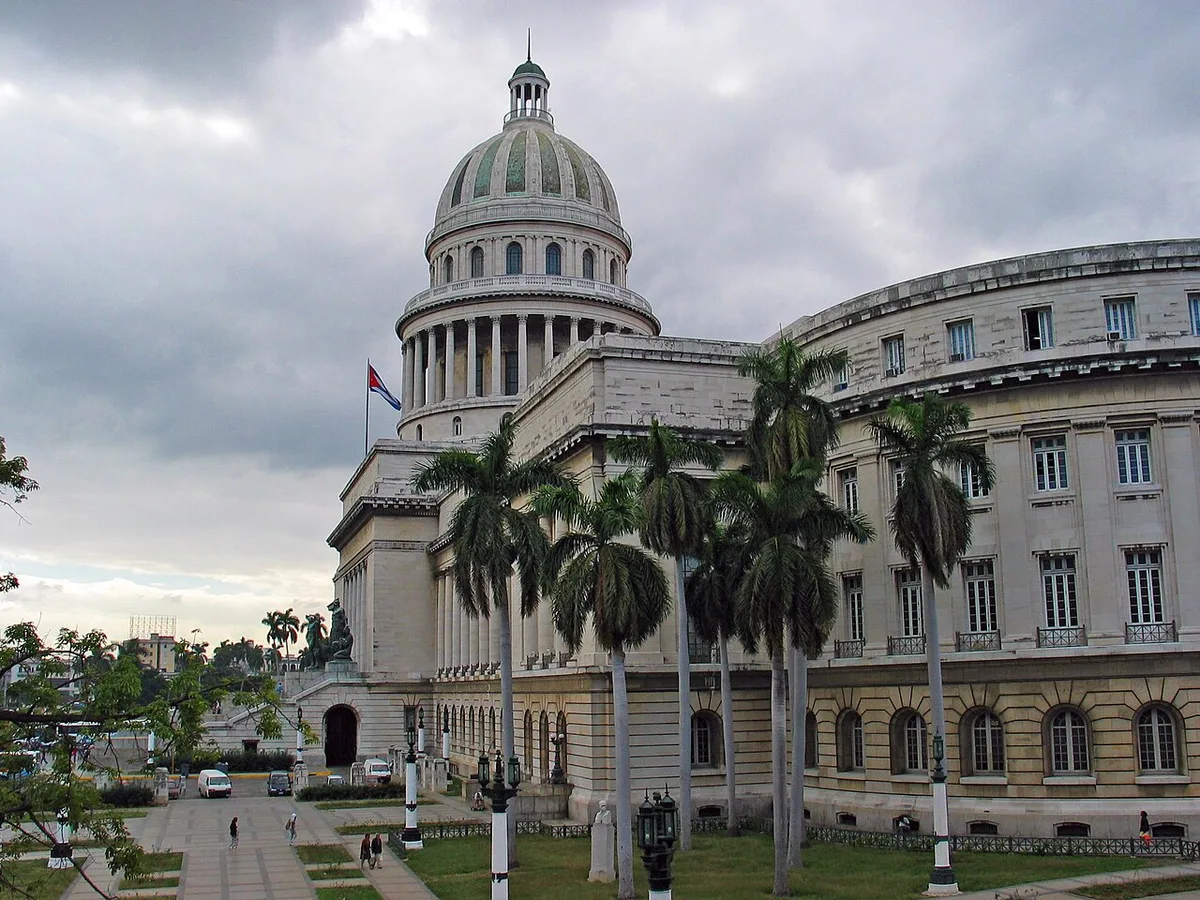
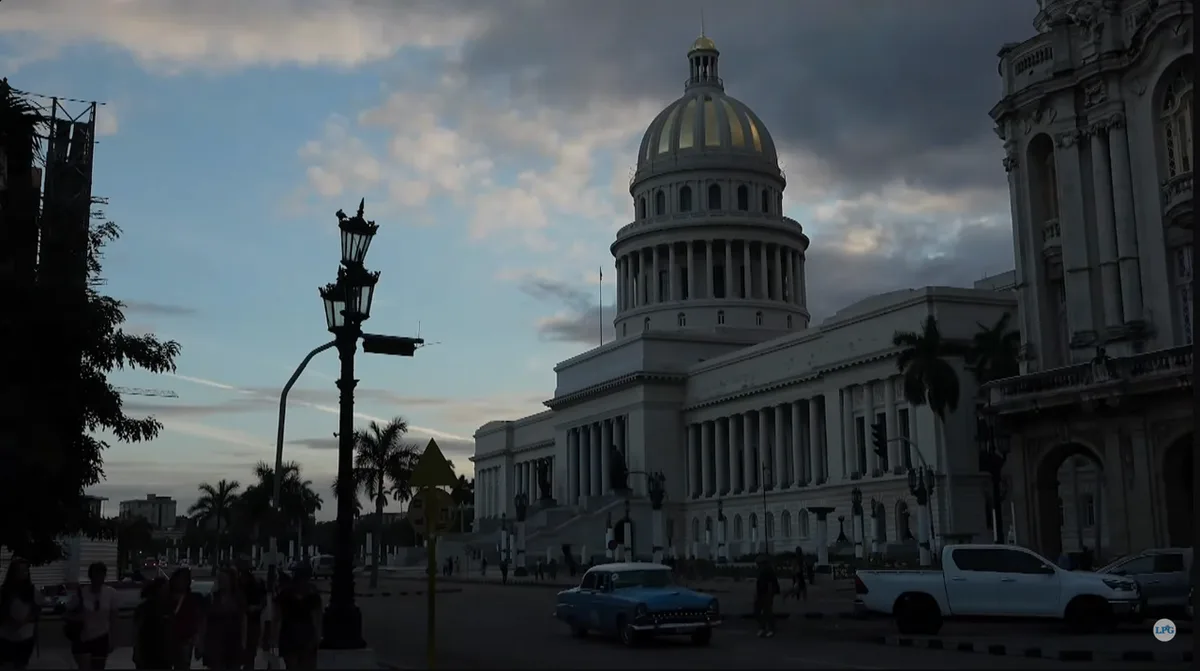
During the Republican period (1902–1959), Cuban architecture saw the construction of prominent public and commercial buildings. Notable examples include El Capitolio, inspired by the United States Capitol, as well as modern high-rise structures such as the FOCSA Building and the Habana Hilton (later renamed Habana Libre). Architect Antonio Quintana Simonetti emerged as a leading figure during the mid-20th century, contributing to the development of modern Cuban architecture.
Following revolution, architectural styles were heavily influenced by Soviet urban planning, emphasizing functionality, uniformity, and efficiency. Residential neighborhoods constructed during this period reflected the characteristics of socialist realism seen in cities like Moscow and Minsk. After the dissolution of the Soviet Union and the end of the Cold War, architecture became more varied. The 1990s and early 21st century saw a rise in the construction of luxury hotels, incorporating modern materials such as glass and steel, and reflecting global architectural trends similar to those found in cities like Mexico City, Caracas, and New York.
Literature
Cuban literature began to find its voice in the early 19th century. Dominant themes of independence and freedom were exemplified by José Martí, who led the Modernist movement in Cuban literature. Writers such as Nicolás Guillén and José Z. Tallet focused on literature as social protest. The poetry and novels of Dulce María Loynaz and José Lezama Lima have been influential. Romanticist Miguel Barnet, who wrote Everyone Dreamed of Cuba, reflects a more melancholy Cuba.
Alejo Carpentier was important in the magic realism movement. Writers such as Reinaldo Arenas, Guillermo Cabrera Infante, and Daína Chaviano, Pedro Juan Gutiérrez, Zoé Valdés, Guillermo Rosales and Leonardo Padura have earned international recognition in the post-revolutionary era, though many of these have felt compelled to continue their work in exile due to ideological control of media by the Cuban authorities. However, some Cuban writers continue living and writing in Cuba, including Nancy Morejón.
Music
Cuban music is rich and is the most commonly known expression of Cuban culture. The central form of this music is son, which has been the basis of many other musical styles like "Danzón de nuevo ritmo", mambo, cha-cha-chá and salsa music. Rumba ("de cajón o de solar") music originated in the early Afro-Cuban culture, mixed with Spanish elements of style. The tres was invented in Cuba from Spanish cordophone instruments models (the instrument is actually a fusion of elements from the Spanish guitar and lute). Other traditional Cuban instruments are of African origin, Taíno origin, or both, such as the maracas, güiro, marímbula and various wooden drums including the mayohuacán.
Popular Cuban music of all styles has been enjoyed and praised widely across the world. Cuban classical music, which includes music with strong African and European influences, and features symphonic works as well as music for soloists, has received international acclaim thanks to composers like Ernesto Lecuona. Havana was the heart of the rap scene in Cuba when it began in the 1990s.
Dance
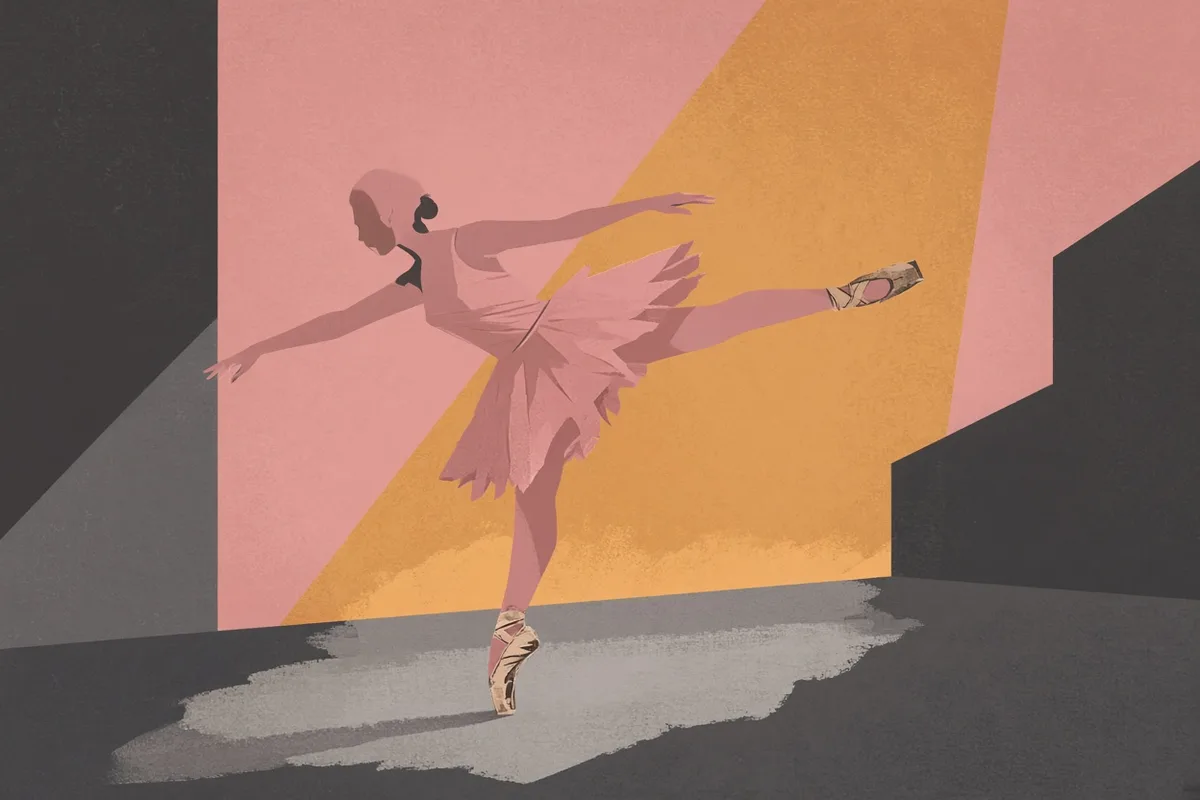
The culture encompasses a wide range of dance forms. Danzón was the official musical genre and dance of Cuba. Mambo music and dance developed originally in Cuba, with further significant developments by Cuban musicians in Mexico and the US. The cha-cha-cha is another dance of Cuban origin, while the Cuban bolero originated in Santiago de Cuba in the 19th century. Concert dance is supported by the government and includes internationally renowned companies such as the Ballet Nacional de Cuba. Salsa dancing originated in Cuba, and Cuban salsa is danced around the world.
Media
ETECSA opened 118 cybercafes across the country in 2013. The government of Cuba provides an online encyclopedia website called EcuRed that operates in a "wiki" format. Internet access is controlled, and e-mail is closely monitored.
Since 2018, access to Internet by mobile data is available. In 2019, 7.1 million Cubans could access the Internet. The prices of connections, since WiFi zones, or mobile data, or from houses through "Nauta Hogar" service have been decreasing, especially since the economic reform of January 2021, when all the salaries increased by at least 5 times, and the prices of Internet remain in the same point. In 2024, it was reported that 8.19 million Cuban people have Internet access. There were 6.68 million mobile connections in Cuba in January 2021.
Cuisine
Cuban cuisine is a fusion of Spanish and Caribbean cuisines. Cuban recipes share spices and techniques with Spanish cooking, with some Caribbean influence in spice and flavor. Food rationing, which has been the norm for the last four decades, restricts the common availability of these dishes. The traditional meal is not served in courses; all food items are served at the same time.
The typical meal could consist of plantains, black beans and rice, ropa vieja (shredded beef), Cuban bread, pork with onions, and tropical fruits. Black beans and rice, referred to as moros y cristianos (or moros for short), and plantains are staples. Many of the meat dishes are cooked slowly with light sauces. Garlic, cumin, oregano, and bay leaves are the dominant spices.
Sports
Due to historical associations with the United States, many Cubans participate in sports that are popular in North America, rather than sports traditionally played in other Latin American nations. Baseball is the most popular. Other popular sports include volleyball, boxing, athletics, wrestling, basketball and water sports. Cuba is a dominant force in amateur boxing, consistently achieving high medal tallies in major international competitions. Boxers Rances Barthelemy and Erislandy Lara defected to the U.S. and Mexico respectively. Cuba also provides a national team that competes in the Olympic Games. Jose R. Capablanca was a Cuban world chess champion from 1921 to 1927.