Filming
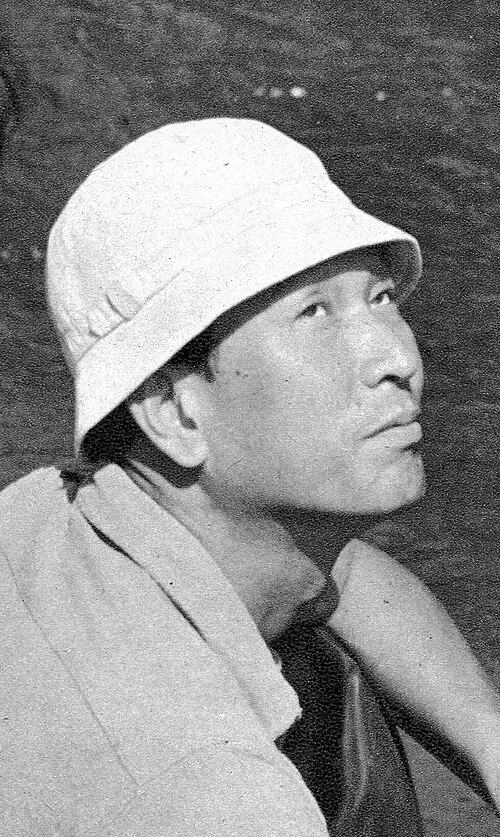
Filming took place between January and August 1989, as Kurosawa wanted to incorporate as many of the four seasons as possible. Koizumi said Kurosawa liked to rehearse as soon as he arrived on set at 9 a.m. He also said the director preferred to shoot single takes if possible. "The Tunnel" has a 16-minute shot, which Kurosawa said must have been a world record considering a single film magazine only lasts 10 minutes, that ended only because lights placed on the backs of the soldiers would have been seen when the platoon does an about-face. Koizumi believes Kurosawa did not need many takes because he would edit the film in his head while shooting it.
For the "Sunshine Through the Rain" segment, the film's art director Yoshiro Muraki built a replica of Kurosawa's childhood home; the nameplate on the gate even reads "Kurosawa". During production, Kurosawa showed Mitsuko Baisho, the actress playing the mother, a photo of his own mother, and gave her tips on how to act as her. Nogami and the assistant director had initially thought that masks would work for the fox faces, but they did not at all so they had to use makeup, and Nogami called the makeup the hardest part. Kurosawa personally choreographed the foxes' movements. While the rainbow in the segment's final scene was added by ILM, every one of the artificial flowers was actually planted by the crew. Similarly, the peach petals in "The Peach Orchard" were scattered by hand and are not CGI. "The Blizzard" follows mountaineers who struggle up a mountain. Kurosawa previously confessed to being "a devotee of mountain climbing". Mieko Harada, who plays the snow woman in the sequence, also appears as an extra in "The Village of the Water Mills" with her infant child on her back.
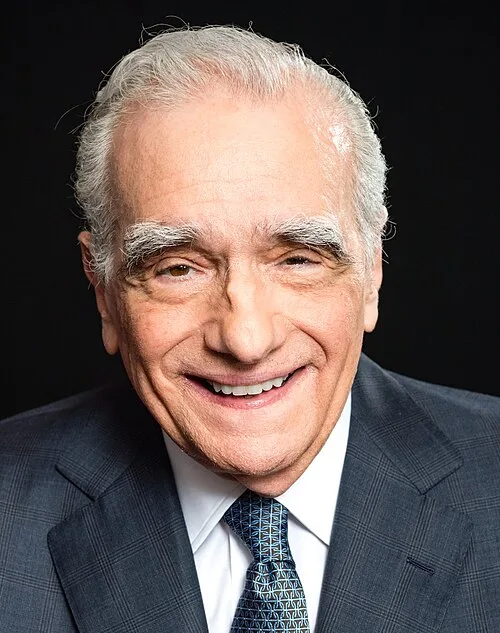
In "Crows", Vincent van Gogh is portrayed by American filmmaker Martin Scorsese. When discussing who could play the Dutch painter with Francis Ford Coppola, Kurosawa said Scorsese was the only person who came to mind and asked him via a letter. In their brief prior meeting, Scorsese had expressed ideas to the Japanese director about "saving cinema", and Kurosawa said that is how he viewed Van Gogh. Scorsese later said he could not say no because it was Kurosawa, and took a break from making Goodfellas (1990) in order to be in Dreams. Scorsese's scenes were shot in a single day, and Nogami said he was extremely nervous because of how many lines he had. Scorsese himself described how he was given many meticulous instructions, and memorized them all despite his acting skills. Kurosawa was a fan of Van Gogh, both he and his wife liked The Letters of Vincent van Gogh, and he personally "touched up" many of the reproductions of his works seen in the exhibition scene. A year before filming, the crew had replanted a barley field with wheat in order to match Wheatfield with Crows. About 100 crows captured by locals in Hokkaido were kept in cages hidden in the field on either side of the frame and were released on a cue from Scorsese. According to Koizumi, music the birds are known to dislike was played in order to get them to fly within frame. A few crows were also added digitally. In a reference to the 1923 French film La Roue, the segment features Prelude No. 15 in D-flat major ("Raindrop") by Frédéric Chopin. "Crows" is the only segment in the film wherein the characters do not speak Japanese, but instead English and French.
"The Village of the Water Mills" segment was filmed at the Daio Wasabi farm in Nagano Prefecture. The colorful costumes worn by the villagers during a funeral procession are based on unusual clothes that Kurosawa saw in a remote northern village in his childhood. The idea of the stone in this segment, on which passersby lay flowers, was possibly inspired by a similar stone from Kurosawa's father's home village in Akita Prefecture:
Near the main thoroughfare of the village stood a huge rock, and there were always cut flowers on top of it. All the children who passed by it picked wild flowers and laid them atop the stone. When I wondered why they did this and asked, the children said they didn't know. I found out later by asking one of the old men in the village. In the Battle of Boshin, a hundred years ago, someone died at that spot. Feeling sorry for him, the villagers buried him, put the stone over the grave and laid flowers on it. The flowers became a custom of the village, which the children maintained without ever knowing why. Nogami said Chishu Ryu struggled to memorize his 8+1⁄2 minutes of dialogue. She explained that although it was later edited into separate pieces, the dialogue was shot in a single take. The segment, and the film as a whole, ends with the director's stand-in walking out of the frame as "In the Village" from the Caucasian Sketches by Mikhail Ippolitov-Ivanov plays.