Critical reception
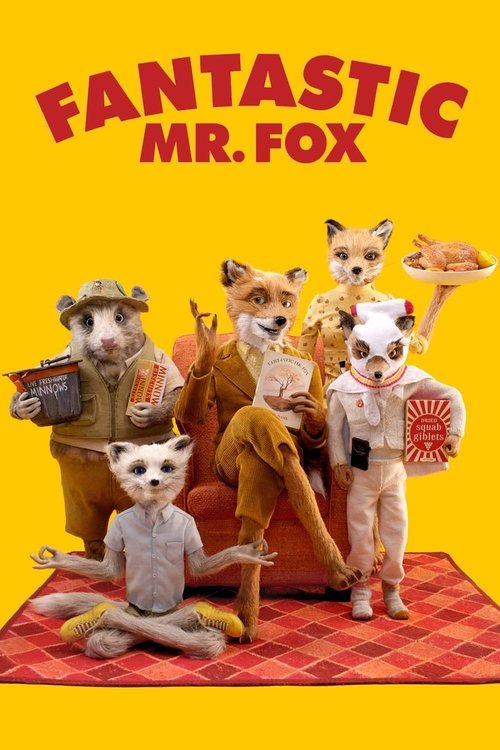
On the review aggregator website Rotten Tomatoes, 93% of 245 critics' reviews are positive, with an average rating of 8.1/10. The website's consensus reads: "Fantastic Mr. Fox is a delightfully funny feast for the eyes with multi-generational appeal – and it shows Wes Anderson has a knack for animation." The film also became the second highest-rated animated film in 2009 on the site, behind Up. On Metacritic, it has a weighted average score of 83 out of 100 based on 34 reviews, indicating "universal acclaim". Audiences polled by CinemaScore gave the film an average grade of "B+" on an A+ to F scale.
Roger Ebert gave the film three and a half stars out of four, writing that, like Willy Wonka & the Chocolate Factory, children may find some aspects of the film perplexing or scary, which he considered a positive element to a children's film. Devin D. O'Leary of Weekly Alibi called it "a one-of-a-kind family classic."
A. O. Scott called Fantastic Mr. Fox: In some ways (Wes Anderson's) most fully realized and satisfying film. Once you adjust to its stop-and-start rhythms and its scruffy looks, you can appreciate its wit, its beauty and the sly gravity of its emotional undercurrents. The work done by the animation director, Mark Gustafson, by the director of photography, Tristan Oliver, and by the production designer, Nelson Lowry, shows amazing ingenuity and skill, and the music (by Alexandre Desplat, with the usual shuffle of well-chosen pop tunes, famous and obscure) is both eccentric and just right.
According to Time, the film is "both a delightful amusement and a distillation of the filmmaker's essential playfulness" and was one of the ten best films of the year. Cosmo Landesman of The Sunday Times said "having a quirky auteur like Anderson make a children's film is a bit like David Byrne, of Talking Heads, recording an album of nursery rhymes produced by Brian Eno". According to Landesman: In style and sensibility, this is really a Wes Anderson film, with little Dahl. It's missing the darker elements that characterize Dahl's books. There you find the whiff of something nasty: child abuse, violence, misogyny. Gone, too, is any sense of danger. Even the farmers, who are made to look a touch evil, don't seem capable of it. We never feel the tension of watching the Fox family facing real peril. The film certainly has Americanized Dahl's story, and I don't mean the fact that the good animals have American accents and the baddies have British ones. It offers yet another celebration of difference and a lesson on the importance of being yourself. But it does leave you thinking: isn't it time that children's films put children first?
Amy Biancolli from the Houston Chronicle wrote: Anderson injects such charm and wit, such personality and nostalgia—evident in the old-school animation, storybook settings and pitch-perfect use of Burl Ives—that it's easy to forgive his self-conscious touches.
Ann Hornaday from The Washington Post calls it a: Self-consciously quirky movie that manages to be twee and ultra-hip at the same time, it qualifies as yet another wry, carefully composed bibelot in the cabinet of curios that defines the Anderson oeuvre. Peter Howell from the Toronto Star stated: In an age when everything seems digital, computer-driven and as fake as instant coffee, more and more artists (Spike Jonze and John Lasseter among them) are embracing the old ways of vinyl records, hand-drawn cartoons and painstaking stop-motion character movements.
In 2011, Richard Corliss of Time magazine named it one of "The 25 All-Time Best Animated Films".
In 2025, the film ranked number 65 on the "Readers' Choice" edition of The New York Times' list of "The 100 Best Movies of the 21st Century" and number 88 on Rolling Stone's list of "The 100 Best Movies of the 21st Century."