1958–1996: After MGM
In 1958, Kelly directed Rodgers and Hammerstein's musical play Flower Drum Song. Early in 1960, Kelly, an ardent Francophile and fluent French speaker, was invited by A. M. Julien, the general administrator of the Paris Opéra and Opéra-Comique, to select his own material and create a modern ballet for the company, the first time an American had received such an assignment. The result was Pas de Dieux, based on Greek mythology, combined with the music of George Gershwin's Concerto in F. It was a major success, and it led to his being honored with the Chevalier de la Légion d'Honneur by the French Government.
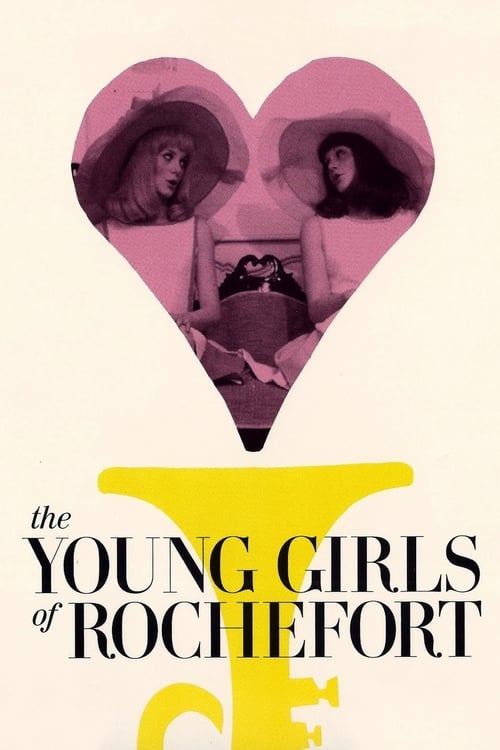
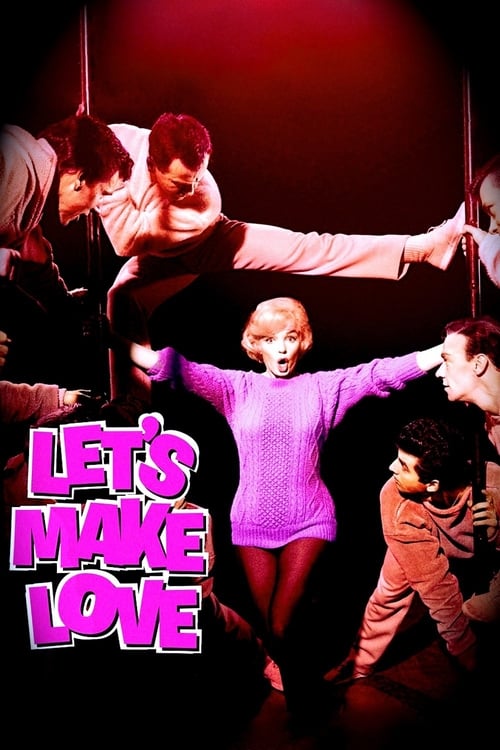
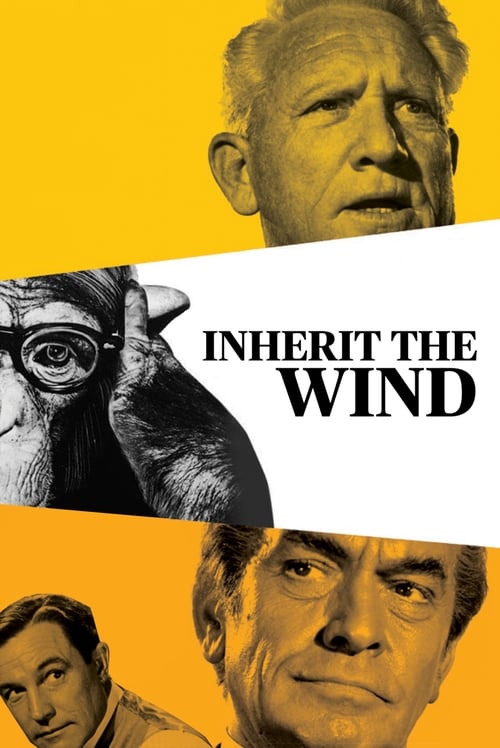
In 1960, Kelly continued to make some film appearances, such as Hornbeck in the Hollywood production of Inherit the Wind and as himself in Let's Make Love. However, most of his efforts were now concentrated on film production and directing. In Paris, he directed Jackie Gleason in Gigot (1962), but the film was drastically recut by Seven Arts Productions and flopped. Another French effort, Jacques Demy's homage to the MGM musical, The Young Girls of Rochefort (Les Demoiselles de Rochefort, 1967), in which Kelly appeared, was a box-office success in France and nominated for Academy Awards for Best Music and Score of a Musical Picture (Original or Adaptation), but performed poorly elsewhere.
He was asked to direct the 1965 film version of The Sound of Music, which had already been turned down by Stanley Donen. He escorted Ernest Lehman, the screenwriter, out of his house, saying, "Go find someone else to direct this piece of shit."
His first foray into television was a documentary for NBC's Omnibus, Dancing is a Man's Game (1958), in which he assembled a group of America's greatest sportsmen—including Mickey Mantle, Sugar Ray Robinson, and Bob Cousy—and reinterpreted their moves choreographically, as part of his lifelong quest to remove the effeminate stereotype of the art of dance, while articulating the philosophy behind his dance style. It gained an Emmy nomination for choreography and now stands as the key document explaining Kelly's approach to modern dance.
Kelly appeared frequently on television shows during the 1960s, including Going My Way (1962–63), which was based on the 1944 film of the same name. It enjoyed great popularity in Roman Catholic countries outside the US. He also appeared in three major TV specials: The Julie Andrews Show (1965), New York, New York (1966), and Jack and the Beanstalk (1967)—a show he produced and directed that again combined cartoon animation and live dance, winning him an Emmy Award for Outstanding Children's Program.
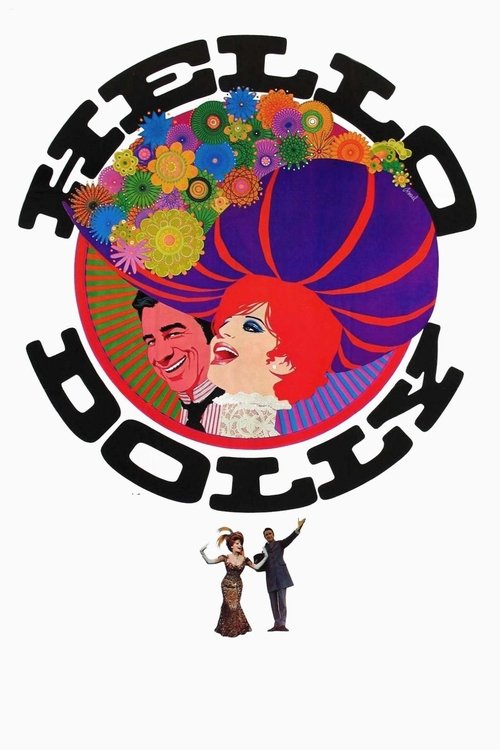
In 1963, Kelly joined Universal Pictures for a two-year stint. He joined 20th Century Fox in 1965, but had little to do—partly due to his decision to decline assignments away from Los Angeles for family reasons. His perseverance finally paid off, with the major box-office hit A Guide for the Married Man (1967), in which he directed Walter Matthau. Then, a major opportunity arose when Fox—buoyed by the returns from The Sound of Music (1965)—commissioned Kelly to direct Hello, Dolly! (1969), again directing Matthau along with Barbra Streisand. The film was nominated for seven Academy Awards, winning three.
In 1966, Kelly starred in a musical television special for CBS titled Gene Kelly in New York, New York. The special focuses on Gene Kelly in a musical tour around Manhattan, dancing along such landmarks as Rockefeller Center, the Plaza Hotel, and the Museum of Modern Art, which serve as backdrops for the show's entertaining production numbers. The special was written by Woody Allen, who also stars alongside Kelly. Guest stars included choreographer Gower Champion, British musical comedy star Tommy Steele, and singer Damita Jo DeBlanc.
In 1970, he made another television special: Gene Kelly and 50 Girls, and was invited to bring the show to Las Vegas, which he did for an eight-week stint on the condition he be paid more than any artist had ever been paid there. He directed veteran actors James Stewart and Henry Fonda in the comedy Western The Cheyenne Social Club (1970), which performed poorly at the box office. In 1973, he worked again with Frank Sinatra as part of Sinatra's Emmy-nominated TV special, Magnavox Presents Frank Sinatra.
In 1974, he appeared as one of many special narrators in the dancing compilation film That's Entertainment! Kelly was then picked to direct and co-star in its 1976 follow-up That's Entertainment, Part II alongside longtime friend Fred Astaire. The film would mark the pair's last on-stage performance together, and Astaire's final dance number in the public eye at the age of 76.
Kelly was a guest on the 1975 television special starring Steve Lawrence and Eydie Gormé, "Our Love Is Here to Stay," appearing with his son, Tim, and daughter, Bridget. He starred in the poorly received action film Viva Knievel! (1977), with the then high-profile stuntman, Evel Knievel. Kelly continued to make frequent TV appearances. His final film role was in Xanadu (1980), a flop despite a popular soundtrack that spawned five Top 20 hits by the Electric Light Orchestra, Cliff Richard, and Kelly's co-star Olivia Newton-John. In Kelly's opinion, "The concept was marvelous, but it just didn't come off."
In 1980, he was invited by Francis Ford Coppola to recruit a production staff for American Zoetrope's One from the Heart (1982). Although Coppola's ambition was for him to establish a production unit to rival the Freed Unit at MGM, the film's failure put an end to this idea. In November 1983 he made his first Royal Variety Performance before Her Majesty Queen Elizabeth II, at London's Theatre Royal. Kelly served as executive producer and co-host of That's Dancing! (1985), a celebration of the history of dance in the American musical. Kelly's final on-screen appearance was to introduce That's Entertainment! III (1994). His final film project was the animated film Cats Don't Dance, not released until 1997, for which Kelly acted as an uncredited choreographic consultant. It was dedicated to his memory.
In 1993, Kelly was hired by Madonna and her brother Christopher Ciccone to do the choreography for part of Madonna's The Girlie Show tour, but he was quickly dismissed due to the very different visions that Kelly and the Ciccones had about the performers he was to direct and their dancing abilities.