



Hayao Miyazaki (宮崎 駿 or 宮﨑 駿, Miyazaki Hayao; [mijaꜜzaki hajao]; born January 5, 1941) is a Japanese animator, filmmaker, and manga artist. He co-founded Studio Ghibli and serves as its honorary chairman. Throughout his career, Miyazaki has attained international acclaim as a masterful storyteller and creator of Japanese animated feature films, and is widely regarded as one of the greatest and most accomplished filmmakers in the history of animation.
Born in Tokyo City, Miyazaki expressed interest in manga and animation from an early age. He joined Toei Animation in 1963, working as an inbetween artist and key animator on films like Gulliver's Travels Beyond the Moon (1965), The Great Adventure of Horus, Prince of the Sun (1968), and Animal Treasure Island (1971), before moving to A-Pro in 1971, where he co-directed Lupin the Third Part I (1971–1972) with Isao Takahata. After moving to Zuiyō Eizō (later Nippon Animation) in 1973, Miyazaki worked as an animator on World Masterpiece Theater and directed the television series Future Boy Conan (1978). He joined Tokyo Movie Shinsha in 1979 to direct his first feature film, The Castle of Cagliostro (1979), and the television series Sherlock Hound (1984–1985). He wrote and illustrated the manga Nausicaä of the Valley of the Wind (1982–1994) and directed the 1984 film adaptation produced by Topcraft.
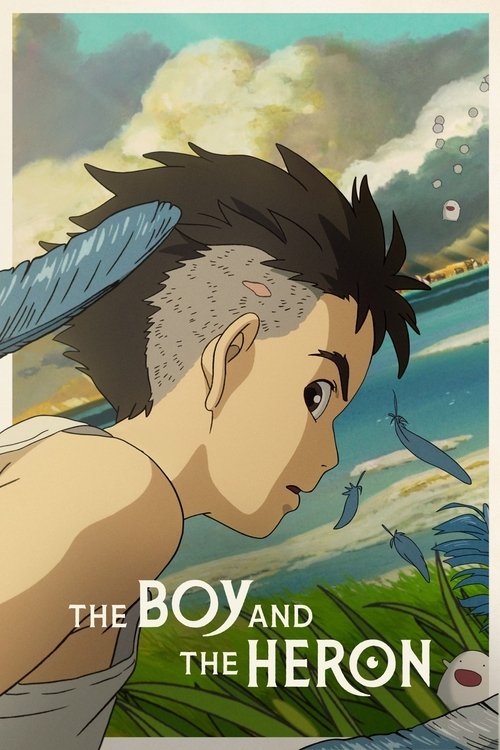
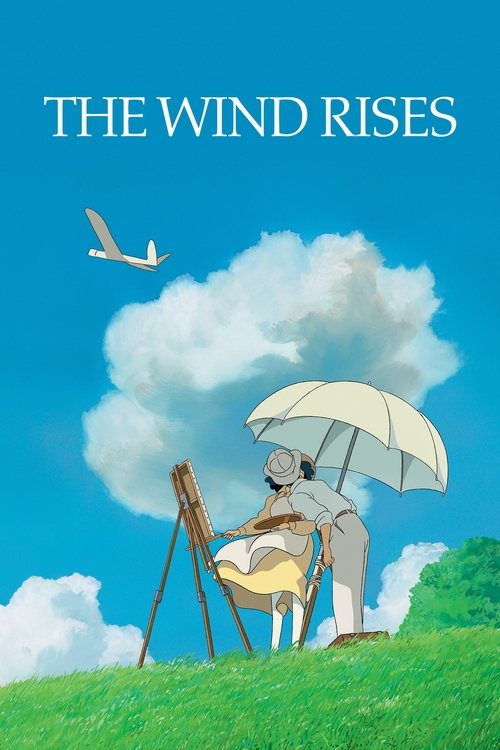
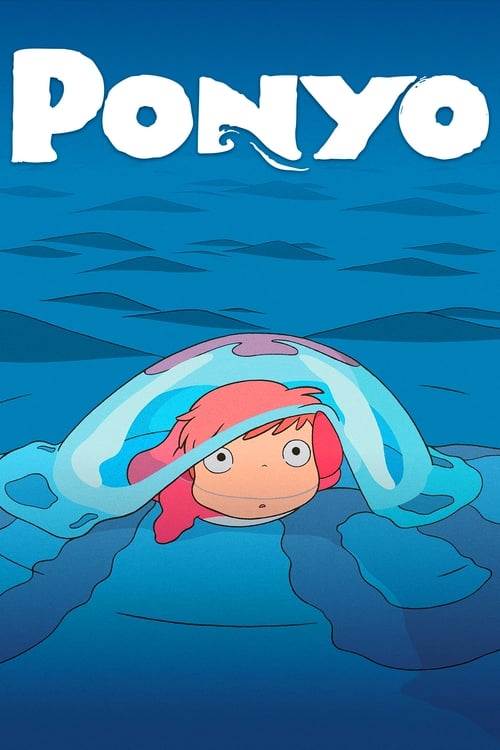
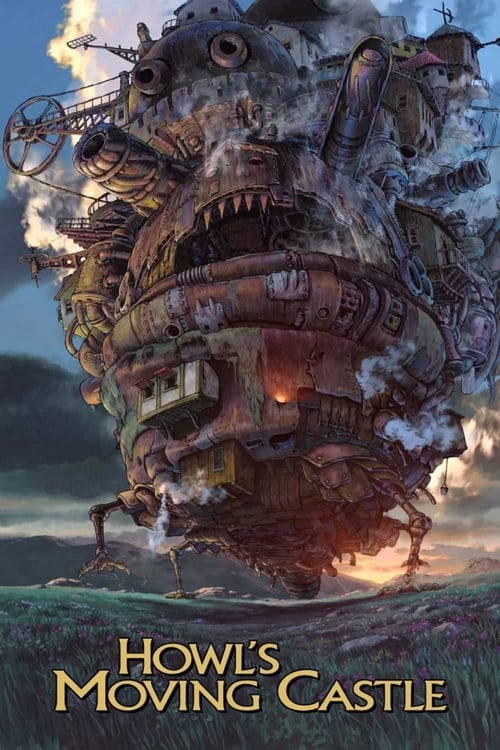
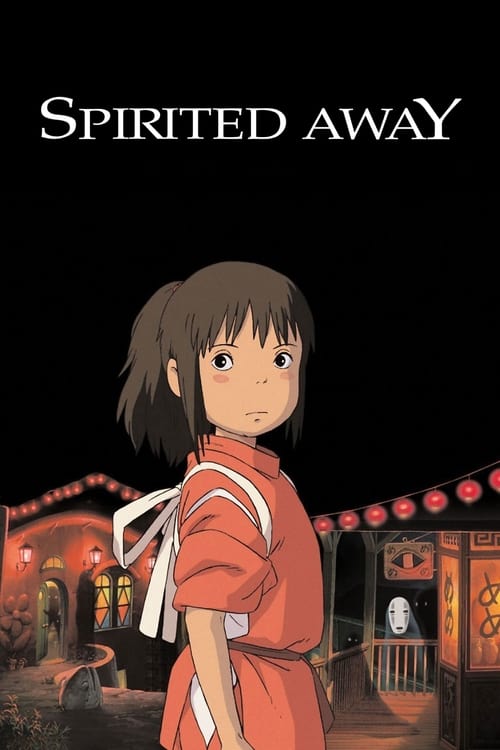
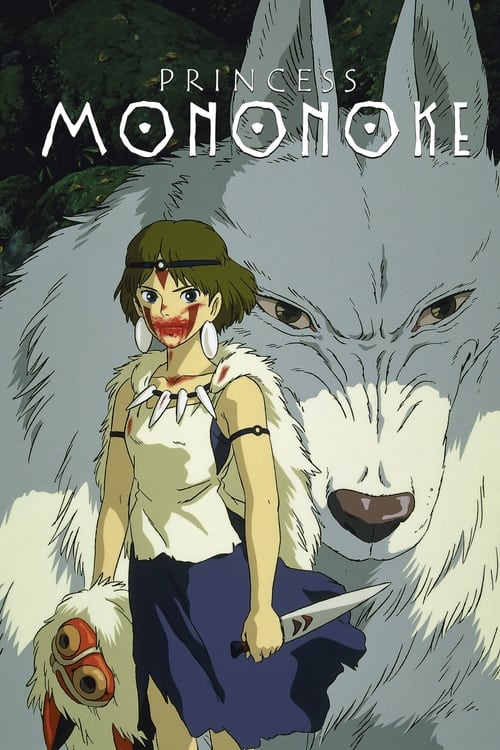
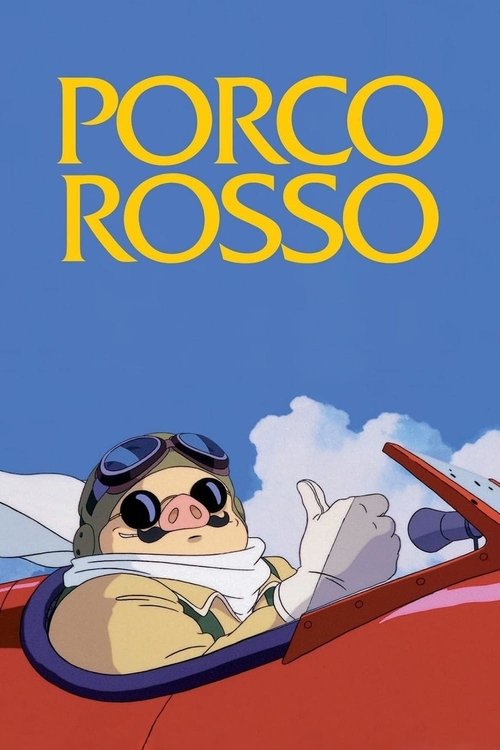
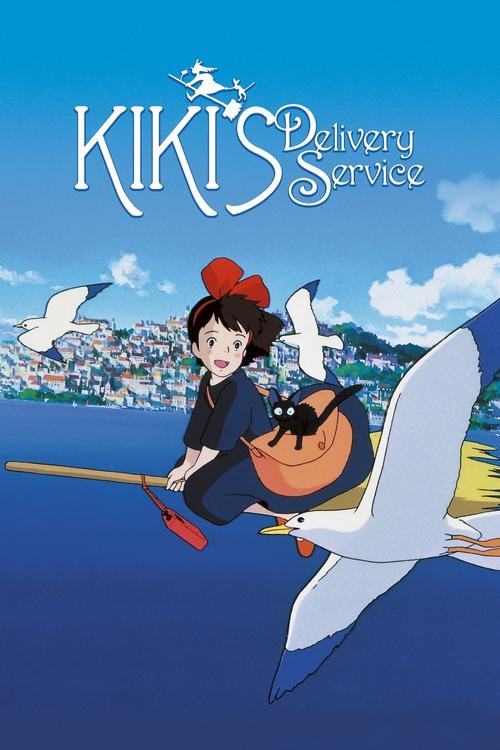
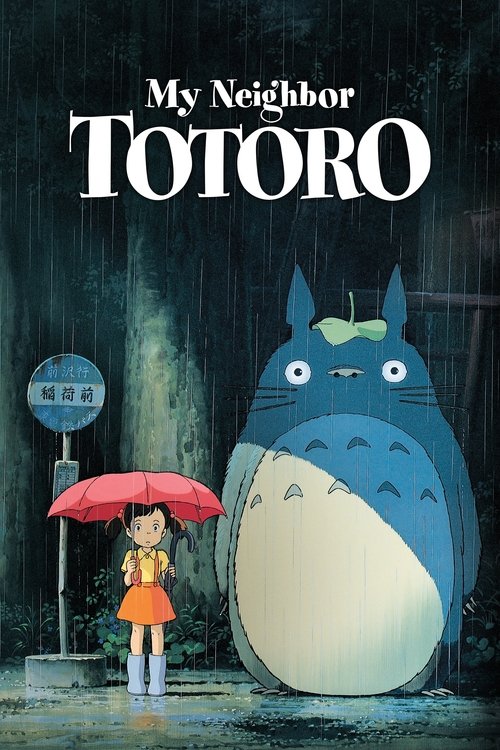
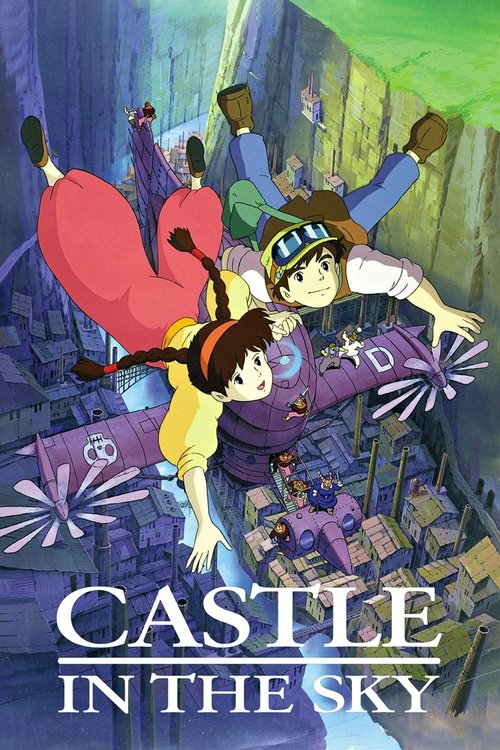
Miyazaki co-founded Studio Ghibli in 1985, writing and directing films such as Laputa: Castle in the Sky (1986), My Neighbor Totoro (1988), Kiki's Delivery Service (1989), and Porco Rosso (1992), which were met with critical and commercial success in Japan. Miyazaki's Princess Mononoke (1997) was the first animated film to win the Japan Academy Film Prize for Picture of the Year and briefly became the highest-grossing film in Japan; its Western distribution increased Ghibli's worldwide popularity and influence. Spirited Away (2001) became Japan's highest-grossing film and won the Academy Award for Best Animated Feature; it is frequently ranked among the greatest films of the 21st century. Miyazaki's later films—Howl's Moving Castle (2004), Ponyo (2008), and The Wind Rises (2013)—also enjoyed critical and commercial success. He retired from feature films in 2013 but later returned to make The Boy and the Heron (2023), which won the Academy Award for Best Animated Feature.
Miyazaki's works are frequently subject to scholarly analysis and have been characterized by the recurrence of themes such as humanity's relationship with nature and technology, the importance of art and craftsmanship, and the difficulty of maintaining a pacifist ethic in a violent world. His protagonists are often strong girls or young women, and several of his films present morally ambiguous antagonists with redeeming qualities. Miyazaki's works have been highly praised and awarded; he was named a Person of Cultural Merit for outstanding cultural contributions in 2012, received the Academy Honorary Award for his impact on animation and cinema in 2014, and the Ramon Magsaysay Award in 2024. Miyazaki has frequently been cited as an inspiration for numerous animators, directors, and writers.
Contents
Early life
Hayao Miyazaki was born on January 5, 1941, in the town Akebono-cho in Hongō, Tokyo City, Empire of Japan, the second of four sons. His father, Katsuji Miyazaki (born 1915), was the director of Miyazaki Airplane, his brother's company, which manufactured rudders for fighter planes during World War II. The business allowed his family to remain affluent during Miyazaki's early life. Miyazaki's father enjoyed purchasing paintings and demonstrating them to guests, but otherwise had little known artistic understanding. He was in the Imperial Japanese Army around 1940, discharged and lectured about disloyalty after declaring to his commanding officer that he wished not to fight because of his wife and young child. According to Miyazaki, his father often told him about his exploits, claiming he continued to attend nightclubs after turning 70. Katsuji Miyazaki died on March 18, 1993. After his death, Miyazaki felt he had often looked at his father negatively and that he had never said anything "lofty or inspiring". He regretted not having a serious discussion with his father, and felt he had inherited his "anarchistic feelings and his lack of concern about embracing contradictions".
Some of Miyazaki's earliest memories are of "bombed-out cities". In 1944, when he was three years old, Miyazaki's family evacuated to Utsunomiya. After the city was bombed in July 1945, they evacuated to Kanuma. The bombing left a lasting impression on Miyazaki, then aged four. As a child, he suffered from digestive problems, and was told he would not live beyond 20, making him feel like an outcast; he considered himself "clumsy and weak", protected at school by his older brother. From 1947 to 1955, Miyazaki's mother Yoshiko suffered from spinal tuberculosis; she spent the first few years in hospital before being nursed from home, forcing Miyazaki and his siblings to take over domestic duties. Yoshiko was frugal, and described as a strict, intellectual woman who regularly questioned "socially accepted norms". She was closest with Miyazaki, and had a strong influence on him and his later work, inspiring several of his characters. Yoshiko Miyazaki died in July 1983 at the age of 72.
Miyazaki began school as an evacuee in 1947, at an elementary school in Utsunomiya, completing the first through third grades. After his family moved back to Suginami-ku in 1950, Miyazaki completed the fourth grade at Ōmiya Elementary School, and fifth grade at Eifuku Elementary School, which was newly established after splitting off from Ōmiya Elementary. After graduating from Eifuku as part of the first graduating class, he attended Ōmiya Junior High School. He aspired to become a manga artist, but discovered he could not draw people; instead, he drew planes, tanks, and battleships for several years. Miyazaki was influenced by several manga artists, such as Tetsuji Fukushima, Soji Yamakawa and Osamu Tezuka. Miyazaki destroyed much of his early work, believing it was "bad form" to copy Tezuka's style as it was hindering his own development as an artist. He preferred to see artists like Tezuka as fellow artists rather than idols to worship. Around this time, Miyazaki often saw movies with his father, who was an avid moviegoer; memorable films for Miyazaki include Meshi (1951) and Tasogare Sakaba (1955).
Career
Early career
In 1963, Miyazaki was employed at Toei Doga; this was the last year the company hired regularly. He began renting a four-and-a-half tatami (7.4 m2; 80 sq ft) apartment in Nerima, Tokyo, near Toei's studio; the rent was ¥6,000, while his salary at Toei was ¥19,500. Miyazaki worked as an inbetween artist on the theatrical feature films Doggie March (1963) and Gulliver's Travels Beyond the Moon (1965) and the television anime Wolf Boy Ken (1963). His proposed changes to the ending of Gulliver's Travels Beyond the Moon were accepted by its director; he was uncredited but his work was praised. Miyazaki found inbetween art unsatisfying and wanted to work on more expressive designs. He was a leader in a labor dispute soon after his arrival at Toei, and became chief secretary of its labor union in 1964; its vice-chairman was Isao Takahata, with whom Miyazaki would form a lifelong collaboration and friendship. Around this time, Miyazaki questioned his career choice and considered leaving the industry; a screening of The Snow Queen in 1964 moved him, prompting him to continue working "with renewed determination".
During production of the anime series Shōnen Ninja Kaze no Fujimaru (1964–1965), Miyazaki moved from inbetween art to key animation, and worked in the latter role on two episodes of Sally the Witch (1966–1968) and several of Hustle Punch (1965–1966) and Rainbow Sentai Robin (1966–1967). Concerned that opportunities for creative projects and feature films would become scarce following an increase in animated television, Miyazaki volunteered in 1964 to work on the film The Great Adventure of Horus, Prince of the Sun (1968); he was key animator, concept artist, and scene designer, credited as the latter. On the film, he worked closely with his mentor, Yasuo Ōtsuka, whose approach to animation profoundly influenced Miyazaki's work. Directed by Takahata, the film was highly praised and deemed a pivotal work in the evolution of animation, though its limited release and minimal promotion led to disappointing box office results—among Toei Animation's worst, which threatened the studio financially. Miyazaki moved to a residence in Higashimurayama after his wedding in October 1965, to Ōizumigakuenchō after the birth of his second son in April 1969, and to Tokorozawa in 1970.
Miyazaki provided key animation for The Wonderful World of Puss 'n Boots (1969), directed by Kimio Yabuki. He created a 12-chapter manga series as a promotional tie-in for the film; the series ran in the Sunday edition of Tokyo Shimbun from January to March 1969. Miyazaki later proposed scenes in the screenplay for Flying Phantom Ship (1969) in which military tanks would cause mass hysteria in downtown Tokyo, and was hired to storyboard and animate the scenes. Beginning a shift towards slow-paced productions featuring mostly female protagonists, he provided key animation for Moomin (1969), two episodes of Himitsu no Akko-chan (1969–1970), and one episode of Sarutobi Ecchan (1971), and was organizer and key animator for Ali Baba and the Forty Thieves (1971). Under the pseudonym Akitsu Saburō (秋津 三朗), Miyazaki wrote and illustrated the manga People of the Desert, published in 26 installments between September 1969 and March 1970 in Boys and Girls Newspaper (少年少女新聞, Shōnen shōjo shinbun). He was influenced by illustrated stories such as Fukushima's Evil Lord of the Desert (沙漠の魔王, Sabaku no maō). In 1971, Miyazaki developed structure, characters, and designs for Hiroshi Ikeda's adaptation of Animal Treasure Island, providing key animation and script development. He created the 13-part manga adaptation, printed in Tokyo Shimbun from January to March 1971.
A-Pro and Nippon Animation
Miyazaki left Toei Animation in August 1971, having become dissatisfied by the lack of creative prospects and autonomy, and by confrontations with management regarding The Great Adventure of Horus. He followed Takahata and Yōichi Kotabe to A-Pro, where he directed, or co-directed with Takahata, 17 of the 23 episodes of Lupin the Third Part I, originally intended as a movie project. This was Miyazaki's directorial debut. He and Takahata were engaged to emphasize the series' humor over its violence. The two also began pre-production on a series based on Astrid Lindgren's Pippi Longstocking books, designing extensive storyboards; Miyazaki and Tokyo Movie Shinsha president Yutaka Fujioka traveled to Sweden to secure the rights—Miyazaki's first trip outside Japan and possibly the first overseas trip for any Japanese animator for a production—but the series was canceled after they were unable to meet Lindgren, and permission was refused to complete the project. Foreign travel left an impression on Miyazaki; using concepts, scripts, design, and animation from the project, he wrote, designed and animated two Panda! Go, Panda! shorts in 1972 and 1973, with Takahata as director and Ōtsuka as animation director. Their choice of pandas was inspired by the panda craze in Japan at the time.
Miyazaki drew storyboards for the first episode of The Gutsy Frog in 1971 (though they went unused), provided key animation and storyboards for two episodes of Akado Suzunosuke in 1972, and delivered key animation for one episode each of Kōya no Shōnen Isamu (directed by Takahata) and Samurai Giants in 1973. In 1972, he directed a five-minute pilot film for the television series Yuki's Sun; the series was never produced, and the pilot fell into obscurity before resurfacing as part of a Blu-ray release of Miyazaki's works in 2014. In June 1973, Miyazaki and Takahata moved from A-Pro to Zuiyō Eizō, where they worked on World Masterpiece Theater, which featured their animation series Heidi, Girl of the Alps, an adaptation of Johanna Spyri's Heidi. The production team wanted the series to set new heights for television animation, and Miyazaki traveled to Switzerland to research and sketch in preparation. Zuiyō Eizō split into two companies in July 1975; Miyazaki and Takahata's branch became Nippon Animation. They briefly worked on Dog of Flanders in 1975 before moving on to the larger-scale 3000 Leagues in Search of Mother (1976), directed by Takahata, for which Miyazaki traveled to Argentina and Italy as research.
Directorial debut
In 1977, Miyazaki was chosen to direct his first animated television series, Future Boy Conan; he directed 24 of the 26 episodes, which were broadcast in 1978. Only eight episodes were completed when the series began airing; each episode was completed within ten to fourteen days. An adaptation of Alexander Key's The Incredible Tide, the series features several elements that later reappeared in Miyazaki's work, such as warplanes, airplanes, and environmentalism. Also working on the series was Takahata, Ōtsuka, and Yoshifumi Kondō, whom Miyazaki and Takahata had met at A-Pro. Visually, Miyazaki was inspired by Paul Grimault's The Adventures of Mr. Wonderbird. Miyazaki did key animation for thirty episodes of the World Masterpiece Theater series Rascal the Raccoon (1977) and provided scene design and organization on the first fifteen episodes of Takahata's Anne of Green Gables before leaving Nippon Animation in 1979.
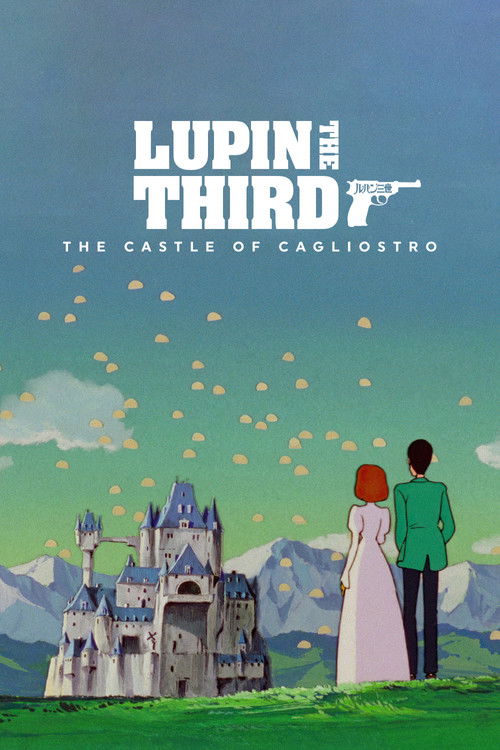
Miyazaki moved to Tokyo Movie Shinsha to direct his first feature anime film, The Castle of Cagliostro (1979), an installment of the Lupin III franchise. Ōtsuka had approached him to direct the film following the release of Lupin the 3rd: The Mystery of Mamo (1978), and Miyazaki wrote the story with Haruya Yamazaki. Wishing to insert his own creativity into the franchise, Miyazaki inserted several elements and references, inspired by several of Maurice Leblanc's Arsène Lupin novels, on which Lupin III is based, as well as The Adventures of Mr. Wonderbird. Visually, he was inspired by Kagoshima Publishing's Italian Mountain Cities and the Tiber Estuary, reflecting his love for Europe. Production ran for four months and the film was released on December 15, 1979; Miyazaki wished he could have had another month of production. It was well received; Animage readers voted it the best animation of all time—it remained in the top ten for more than fifteen years—and Clarisse the best heroine. In 2005, former princess Sayako Kuroda's wedding dress was reportedly inspired by Clarisse's, having been a fan of Miyazaki and his work. Several Japanese and American filmmakers were inspired by the film, prompting homages in other works.
Miyazaki became a chief animation instructor for new employees at Telecom Animation Film, a subsidiary of Tokyo Movie Shinsha, and subsequently directed two episodes of Lupin the Third Part II under the pseudonym Teruki Tsutomu (照樹 務), which can read as "employee of Telecom". In his role at Telecom, Miyazaki helped train the second wave of employees. Miyazaki provided key animation for one episode of The New Adventures of Gigantor (1980–1981), and directed six episodes of Sherlock Hound in 1981, until legal issues with Arthur Conan Doyle's estate led to a suspension in production; Miyazaki was busy with other projects by the time the issues were resolved, and the remaining episodes were directed by Kyôsuke Mikuriya and broadcast from November 1984 to May 1985. It was Miyazaki's final television work. In 1982, Miyazaki, Takahata, and Kondō started work on a film adaptation of Little Nemo, but Miyazaki and Takahata left after a few months due to creative clashes with Fujioka (Kondō remained until 1985); the film was completed six years later as Little Nemo: Adventures in Slumberland (1989). Miyazaki spent some time in the United States during the film's production.
Manga work and adaptation
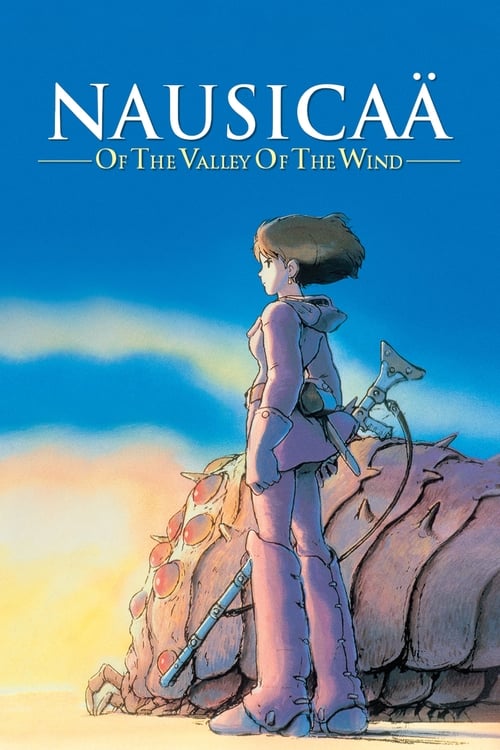
After the release of The Castle of Cagliostro, Miyazaki began working on his ideas for an animated film adaptation of Richard Corben's comic book Rowlf and pitched the idea to Yutaka Fujioka at Tokyo Movie Shinsha. In November 1980, a proposal was drawn up to acquire the film rights. Around that time, Miyazaki was also approached for a series of magazine articles by Animage's editorial staff. Editors Toshio Suzuki and Osamu Kameyama took some of his ideas to Animage's parent company, Tokuma Shoten, which had been considering funding animated films. Two projects were proposed: Warring States Demon Castle (戦国魔城, Sengoku ma-jō), to be set in the Sengoku period; and the adaptation of Corben's Rowlf. Both were rejected, as the company was unwilling to fund anime not based on existing manga and the rights for Rowlf could not be secured. Elements of Miyazaki's proposal for Rowlf were recycled in his later works. With no films in production, Miyazaki agreed to develop a manga for the magazine, titled Nausicaä of the Valley of the Wind.
Miyazaki had intended to stop making the manga when he received animation work; while he took some breaks in releases, the manga ultimately ran from February 1982 to March 1994. Miyazaki's busy schedule and perfectionist mindset led to several delays in publications, and on one occasion he withdrew some chapters before publication; he considered its continued publication a burden on his other work. The story, as re-printed in the tankōbon volumes, spans seven volumes for a combined total of 1,060 pages. It sold more than ten million copies in its first two years. Miyazaki drew the episodes primarily in pencil, and it was printed monochrome in sepia-toned ink. The main character, Nausicaä, was partly inspired by the character from Homer's Odyssey (whom Miyazaki had discovered while reading Bernard Evslin's Dictionary of Grecian Myths) and the Japanese folk tale The Lady who Loved Insects, while the world and ecosystem was based on Miyazaki's readings of scientific, historical, and political writings, such as Sasuke Nakao's Origins of Plant Cultivation and Agriculture, Eiichi Fujimori's The World of Jomon, Paul Carell's Hitler Moves East. He was also inspired by the comic series Arzach by Jean Giraud, whom he met while working on the manga.
In 1982, Miyazaki assisted with key animation for an unreleased Zorro series, and for the feature film Space Adventure Cobra: The Movie. He resigned from Telecom Animation Film in November. Around this time, he wrote the graphic novel The Journey of Shuna, inspired by the Tibetan folk tale "Prince who became a dog". The novel was published by Tokuma Shoten in June 1983, dramatized for radio broadcast in 1987, and published in English as Shuna's Journey in 2022. Hayao Miyazaki's Daydream Data Notes was also irregularly published from November 1984 to October 1994 in Model Graphix; selections of the stories received radio broadcast in 1995. Following the completion of Nausicaä of the Valley of the Wind's first two volumes, Animage editors suggested a 15-minute short film adaptation. Miyazaki, initially reluctant, countered that an hour-long animation would be more suitable, and Tokuma Shoten agreed on a feature-length film.
Studio Ghibli
Following the success of Nausicaä of the Valley of the Wind, Miyazaki and Takahata founded the animation production company Studio Ghibli on June 15, 1985, as a subsidiary of Tokuma Shoten, with offices in Kichijōji designed by Miyazaki. The studio's name had been registered a year earlier; Miyazaki named it after the nickname of the Caproni Ca.309 aircraft, meaning "a hot wind that blows in the desert" in Italian. Suzuki worked for Studio Ghibli as producer, joining full-time in 1989, while Topcraft's Tōru Hara became production manager; Suzuki's role in the creation of the studio and its films has led him to being occasionally named a co-founder, and Hara is often viewed as influential to the company's success. Yasuyoshi Tokuma, the founder of Tokuma Shoten, was also closely related to the company's creation, having provided financial backing. Topcraft had been considered as a partner to produce Miyazaki's next film, but the company went bankrupt in 1985. Several staff members subsequently hired at Studio Ghibli—up to 70 full-time and 200 part-time employees in 1985—had previously worked with Miyazaki at different studios, such as Telecom, Topcraft, and Toei Doga, and others like Madhouse, Inc. and Oh! Production.
In 1984, Miyazaki traveled to Wales, drawing the mining villages and communities of Rhondda; he witnessed the miners' strike and admired the miners' dedication to their work and community. He was angered by the "military superpowers" of the Roman Empire who conquered the Celts and felt this anguish, alongside the miners' strike, was perceptible in Welsh communities. He returned in May 1985 to research his next film, Laputa: Castle in the Sky, the first by Studio Ghibli. Its tight production schedule forced Miyazaki to work all day, including before and after normal working hours, and he wrote lyrics for its end theme. Miyazaki used the floating island of Laputa from Gulliver's Travels in the film. Laputa was released on August 2, 1986, by the Toei Company. It sold around 775,000 tickets, making a modest financial return, though Miyazaki and Suzuki expressed their disappointment with its box office figures of approximately US$2.5 million.
After the success of Nausicaä, Miyazaki visited Yanagawa and considered imitating it in an animated film, fascinated by its canal system; instead, Takahata directed a live-action documentary about the region, The Story of Yanagawa's Canals (1987). Miyazaki produced and financed the film, and provided several animated sequences. Its creation spanned four years, and Miyazaki considered it his social responsibility—to both Japanese society and filmmaking—in seeing it produced. Laputa was created partly to fund production of the documentary, for which Takahata had depleted his funds. In June 1985, Nausicaä of the Valley of the Wind was released in the United States as Warriors of the Wind, with significant cuts; almost 30 minutes of dialogue and character development were removed, erasing parts of its plot and themes. Miyazaki and Takahata subsequently refused to consider Western releases of their films for the following decade.
Views
Miyazaki labels Studio Ghibli's productions as manga eiga ('manga films' or 'cartoon films') instead of anime to avoid the overexpressed style and associated subculture, instead striving for a more realistic and cinematic approach for children or general audiences as done historically. He has often criticized the state of the animation industry, stating that some animators lack a foundational understanding of their subjects and do not prioritize realism. He is particularly critical of Japanese animation, saying that anime is "produced by humans who can't stand looking at other humans ... that's why the industry is full of otaku !" He has frequently criticized otaku, including "fanatics" of guns and fighter aircraft, declaring it a "fetish" and refusing to identify himself as such. He bemoaned the state of Disney animated films in 1988, saying "they show nothing but contempt for the audience".
Miyazaki was "utterly disgusted" when shown an animated zombie generated by artificial intelligence (AI) in 2016, reminded of his friend with a disability. He felt the animator "has no idea what pain is whatsoever", calling it "an insult to life itself", and expressed no interest in using the technology. In 2018, he clarified that his concern was about the comedic intent behind the zombie, and noted the "ridiculous" outcomes of overzealous reliance on artificial intelligence. Miyazaki's original comments resurfaced in March 2025 after the generative AI model ChatGPT was updated to produce works strongly resembling artists' styles, including Studio Ghibli's. Many criticized the update, citing Miyazaki's comments; actress and director Zelda Williams wrote "fuck AI", noting Miyazaki would "absolutely despise the technological piracy and negative effects on our environment". Miyazaki's son, Goro, said that Studio Ghibli executives were largely agnostic about the tool, comparing it to amateur fan creations; Suzuki declined to discuss it as he felt most users would quickly become bored, and said that Miyazaki was not aware of generative AI.
Miyazaki considers himself "traditionally ... a leftist in terms of emotional affinity", emphasizing his commitment to his ideals despite changing political and economic landscapes. He abandoned his Marxist values while creating Nausicaä of the Valley of the Wind as he felt Nausicaä's status in an elite class did not affect her class consciousness, recognizing that "No matter what class people are born into, idiots are still idiots and good people are still good". After the release of The Wind Rises in 2013, Miyazaki recognized leftist values in his movies, citing his influence by communism as defined by Karl Marx, but criticized real experiments of socialism in countries like the Soviet Union.
Themes
Miyazaki's works are characterized by the recurrence of themes such as feminism, environmentalism, pacifism, love, and family. His narratives are also notable for not pitting a hero against an unsympathetic antagonist; Miyazaki felt Spirited Away's Chihiro "manages not because she has destroyed the 'evil', but because she has acquired the ability to survive".
Miyazaki's films often emphasize environmentalism and the Earth's fragility. Margaret Talbot stated Miyazaki dislikes modern technology, and believes much of modern culture is "thin and shallow and fake"; he anticipates a time with "no more high-rises". Miyazaki felt frustrated growing up in the Shōwa period from 1955 to 1965 because "nature—the mountains and rivers—was being destroyed in the name of economic progress". Peter Schellhase of The Imaginative Conservative identified that several antagonists of Miyazaki's films "attempt to dominate nature in pursuit of political domination, and are ultimately destructive to both nature and human civilization". Miyazaki is critical of exploitation under both communism and capitalism, as well as globalization and its effects on modern life, believing "a company is common property of the people that work there". Ram Prakash Dwivedi identified values of Mahatma Gandhi in the films of Miyazaki.
Several of Miyazaki's films feature anti-war themes. Daisuke Akimoto of Animation Studies categorized Porco Rosso as "anti-war propaganda" and felt the protagonist, Porco, transforms into a pig partly due to his extreme distaste of militarism. Akimoto also argues that The Wind Rises reflects Miyazaki's "antiwar pacifism", despite Miyazaki stating that the film does not attempt to "denounce" war. Schellhase also identifies Princess Mononoke as a pacifist film due to the protagonist, Ashitaka; instead of joining the campaign of revenge against humankind, as his ethnic history would lead him to do, Ashitaka strives for peace. David Loy and Linda Goodhew argue both Nausicaä of the Valley of the Wind and Princess Mononoke do not depict traditional evil, but the Buddhist roots of evil: greed, ill will, and delusion; according to Buddhism, the roots of evil must transform into "generosity, loving-kindness and wisdom" in order to overcome suffering, and both Nausicaä and Ashitaka accomplish this. When characters in Miyazaki's films are forced to engage in violence, it is shown as being a difficult task; in Howl's Moving Castle, Howl is forced to fight an inescapable battle in defense of those he loves, and it almost destroys him, though he is ultimately saved by Sophie's love and bravery.
Creation process and influences
Miyazaki forgoes traditional screenplays in his productions, instead developing the narrative as he designs the storyboards, stating "We never know where the story will go but we just keep working on the film as it develops". Miyazaki has employed traditional animation methods in all of his films, drawing each frame by hand; computer-generated imagery has been employed in several of his later films, beginning with Princess Mononoke, to "enrich the visual look", though he ensures each film can "retain the right ratio between working by hand and computer ... and still be able to call my films 2D". He oversees every frame of his films. Miyazaki prioritizes logical plots even for child-friendly contents.
Miyazaki has cited several Japanese artists as his influences, including Sanpei Shirato, Osamu Tezuka, Soji Yamakawa, and Isao Takahata, and Western artists and animators like Frédéric Back, Jean Giraud, Paul Grimault, Yuri Norstein, and animation studio Aardman Animations (specifically the works of Nick Park). Several authors have also influenced his works, including Lewis Carroll, Roald Dahl, Ursula K. Le Guin, Philippa Pearce, Rosemary Sutcliff, and Antoine de Saint-Exupéry, Specific works that have influenced Miyazaki include Animal Farm (1945), The Snow Queen (1957), and The King and the Mockingbird (1980); The Snow Queen is said to be the true catalyst for Miyazaki's filmography, influencing his training and work. When animating young children, Miyazaki often takes inspiration from his friends' children and memories of his own childhood.
Personal life
Miyazaki's wife, Akemi Ōta (大田朱美), was born in 1938 and hired as an inbetween artist at Toei Animation in 1958, working on The White Snake Enchantress (1958) and Alakazam the Great (1960). She and Miyazaki met at Toei in 1964, and they married in October 1965. At Toei, they worked together on The Great Adventure of Horus, Prince of the Sun and The Wonderful World of Puss 'n Boots. They have two sons: Goro, born in January 1967, and Keisuke, born in April 1969. Becoming a father changed Miyazaki and he tried to produce work to please his children.
Miyazaki initially fulfilled a promise to his wife that they would both continue to work after Goro's birth, dropping him off at preschool for the day; however, upon seeing Goro's exhaustion walking home one day, Miyazaki decided they could not continue, and his wife quit in 1972 to stay at home and raise their children. She was reluctant to do so but considered it necessary to allow Miyazaki to focus on his work. Miyazaki's dedication to his work harmed his relationship with his children as he was often absent. Goro watched his father's works to "understand" him since the two rarely talked. Miyazaki said he "tried to be a good father, but in the end [he] wasn't a very good parent", and later said he felt he owed "that little boy an apology". In 2006, Goro said his father "gets zero marks as a father, but full marks as a director of animated films".
Goro worked at a landscape design firm before beginning to work at the Ghibli Museum; he designed the garden on its rooftop and eventually became its curator. Keisuke studied forestry at Shinshu University and works as a wood artist; he designed a woodcut print that appears in Whisper of the Heart. Miyazaki's niece, Mei Okuyama, who was the inspiration behind the character Mei in My Neighbor Totoro, is married to animation artist Daisuke Tsutsumi.
Legacy
Miyazaki was described as the "godfather of animation in Japan" by BBC's Tessa Wong in 2016, citing his craftsmanship and humanity, the themes of his films, and his inspiration to younger artists. Courtney Lanning of Arkansas Democrat-Gazette named him one of the world's greatest animators, comparing him to Osamu Tezuka and Walt Disney; Miyazaki has been called "the Disney of Japan", though Helen McCarthy considered comparison to Akira Kurosawa more appropriate due to the combination of grandeur and sensitivity in his work, dubbing him "the Kurosawa of animation".
Swapnil Dhruv Bose of Far Out Magazine wrote that Miyazaki's work "has shaped not only the future of animation but also filmmaking in general", and that it helped "generation after generation of young viewers to observe the magic that exists in the mundane". Richard James Havis of South China Morning Post called him a "genius ... who sets exacting standards for himself, his peers and studio staff". Paste's Toussaint Egan described Miyazaki as "one of anime's great auteurs", whose "stories of such singular thematic vision and unmistakable aesthetic" captured viewers otherwise unfamiliar with anime. Miyazaki became the subject of an exhibit at the Academy Museum of Motion Pictures in Los Angeles in 2021, featuring over 400 objects from his films, and a twelve-month Ponyo exhibit was established in February 2026.
Miyazaki has frequently been cited as an inspiration to numerous animators, directors and writers around the world, including Wes Anderson, Tony Bancroft, James Cameron, Barry Cook, Dean DeBlois, Guillermo del Toro, Pete Docter, Michaël Dudok de Wit, Mamoru Hosoda, Bong Joon Ho, Travis Knight, John Lasseter, Nick Park, Chris Sanders, Henry Selick, Makoto Shinkai, Steven Spielberg, Genndy Tartakovsky, and Gints Zilbalodis. Glen Keane said Miyazaki was a "huge influence" on Walt Disney Animation Studios and "part of our heritage" since The Rescuers Down Under (1990). The Disney Renaissance era was also prompted by competition with the development of Miyazaki's films. Artists from Pixar and Aardman Studios signed a tribute stating, "You're our inspiration, Miyazaki-san!" He has also been cited as inspiration for video game designers including Shigeru Miyamoto on The Legend of Zelda and Hironobu Sakaguchi on Final Fantasy, as well as the television series Avatar: The Last Airbender, and the video game Ori and the Blind Forest (2015).
Several books have been written about Miyazaki by scholars such as Raz Greenberg, Helen McCarthy, and Susan J. Napier; according to Jeff Lenburg, more papers have been written about Miyazaki than any other Japanese artist. Studio Ghibli has searched for some time for Miyazaki and Suzuki's successor to lead the studio; Kondō, the director of Whisper of the Heart, was initially considered, but died from a sudden heart attack in 1998. Some candidates were considered by 2023—including Miyazaki's son Goro, who declined—but the studio was not able to find a successor.
Selected filmography
The Castle of Cagliostro (1979)
Nausicaä of the Valley of the Wind (1984)
Laputa: Castle in the Sky (1986)
My Neighbor Totoro (1988)
Kiki's Delivery Service (1989)
Porco Rosso (1992)
Princess Mononoke (1997)
Spirited Away (2001)
Howl's Moving Castle (2004)
Ponyo (2008)
The Wind Rises (2013)
The Boy and the Heron (2023)
Awards and nominations
Miyazaki won the Ōfuji Noburō Award at the Mainichi Film Awards for The Castle of Cagliostro (1979), Nausicaä of the Valley of the Wind (1984), Laputa: Castle in the Sky (1986), My Neighbor Totoro (1988), and The Boy and the Heron (2023), and the Mainichi Film Award for Best Animation Film for Kiki's Delivery Service (1989), Porco Rosso (1992), Princess Mononoke (1997), Spirited Away (2001), and Whale Hunt (2001). Spirited Away and The Boy and the Heron were awarded the Academy Award for Best Animated Feature, while Howl's Moving Castle (2004) and The Wind Rises (2013) received nominations. He was named a Person of Cultural Merit by the Japanese government in November 2012, for outstanding cultural contributions. Time named him one of the 100 most influential people in the world in 2005 and 2024, and Gold House honored him on its Most Impactful Asians A100 list in 2024. He was an honoree of the Ramon Magsaysay Award in 2024 for his usage of art to "illuminate the human condition". Miyazaki's other accolades include several Annie Awards, Japan Academy Film Prizes, Kinema Junpo Awards, and Tokyo Anime Awards.