Critical response
On the review aggregator website Rotten Tomatoes, 97% of 90 critics' reviews are positive, with an average rating of 7.85/10. The website's consensus reads: "Jacob Tierney lovingly adapts Rachel Reid's hockey-set romance novels into an all-consuming, steamy, dreamy love fest of true queer intent, making Heated Rivalry a bona fide winner." Metacritic, which uses a weighted average, assigned the season a score of 67 out of 100, based on 7 critics, indicating "generally favorable" reviews.
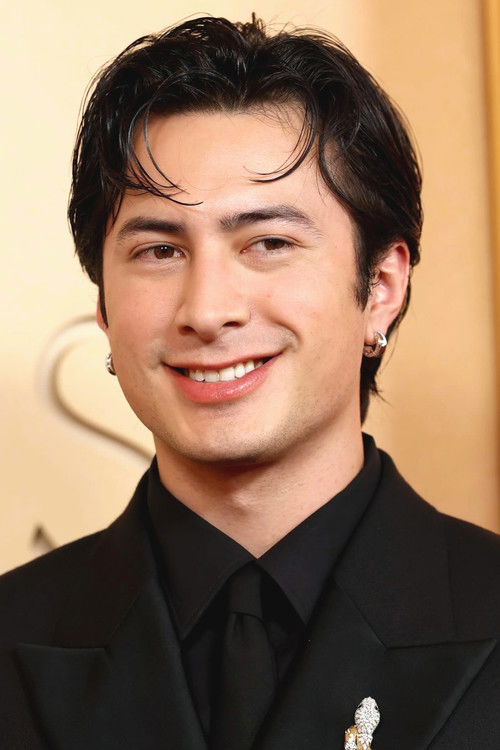
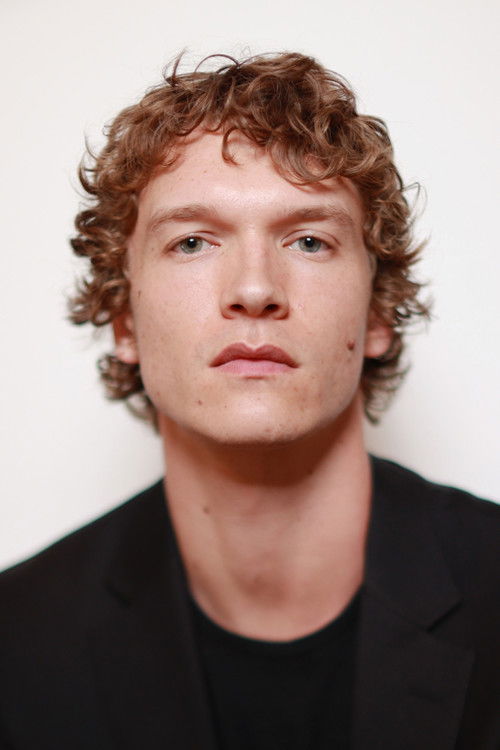
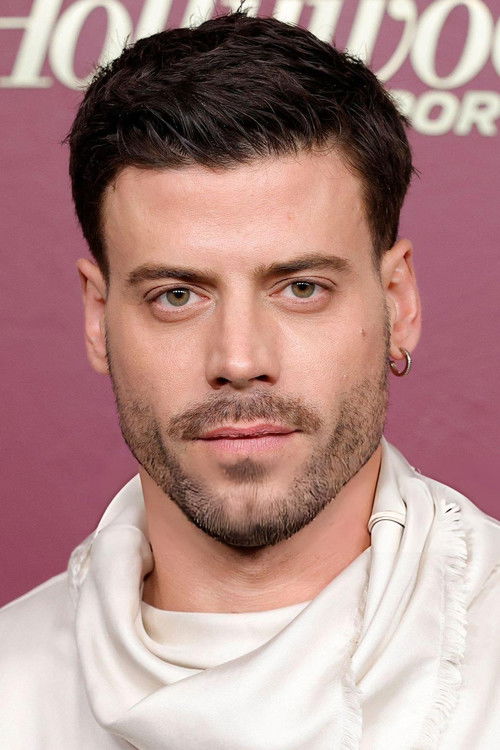
Critics praised Williams and Storrie's performances and chemistry. In The Washington Post, Rachel Kurzius wrote: "Their faces capture a complex cocktail of feelings, their chemistry is bonkers and Storrie [...] pulls off an impressive Russian accent". For their performances in the first-season finale, TVLine named both Williams and Storrie as "Performers of the Week", while /Film described them as the strongest break-out performances of the year. Williams also received acclaim for his portrayal of an autistic character, with Time praising the performance for its nuanced, non-stereotypical depiction grounded in an authentic understanding of autism. Time's review was endorsed by the Autism Research Institute. Arnaud's portrayal of Scott received widespread critical acclaim. Dominic Baez of The Seattle Times compared the "Hunter" episode to the acclaimed "Long, Long Time" episode from The Last of Us, calling it "a genius, moving inclusion" that was "anchored by François Arnaud's devastating performance." Daniel Feinberg of The Hollywood Reporter expressed disappointment that Arnaud and Storrie were ineligible for Emmy consideration due to submission rules, highlighting Scott's championship moment and Ilya's Russian monologue among the series' standout scenes.
David Caballero of Collider gave the series an 8 out of 10, noting the effective early development of their characters both individually and as a potential couple, and the prominent yet accessible use of hockey in the story. Kaiya Shunyata of RogerEbert.com described the series as "revolutionary" and called it "one of the most entertaining shows of the year" as well as "the most significant queer show of the year". In The Globe and Mail, J. Kelly Nestruck lauded Tierney's writing and direction, saying he "teases out the nuances of homophobia in hockey in the time period depicted – the first two episodes careen from 2008 to 2014 – and the cultural challenges of being queer and closeted in Canada versus Russia without ever skating too close to the zone of social-issue drama". Writing for Vanity Fair, Mikhail Zygar stated that Ilya Rozanov's story likely resonated with the Russian queer community.
Lucy Mangan of The Guardian was more critical and gave the show three stars out of five, saying that it focuses too much on explicit, idealized depictions of gay sex at the expense of other aspects of the narrative, such as character development. The series has also sparked debate and discussion about the presence and visibility of LGBT people in sports, and about media portrayal of gay and bisexual men and its relationship with boys' love media and its predominantly female fandom.
Within just a few weeks, commentators began remarking on the show's impact as both a queer story and a romance novel adaption. After only two episodes had aired, Harper's Bazaar listed it among the best queer television series of all time. /Film noted in an article in January 2026 that the series "builds on the legacy of influential queer TV shows such as "Queer as Folk" and "The L Word," along with more recent series like "Looking." By the end of the year, the series ranked among the best TV shows of 2025 on the lists by Cosmopolitan, the New York Post, Refinery29, The Seattle Times, and the Toronto Star. In April 2026, British Vogue included it among the 29th best TV shows of the century. Media outlets also noted the show's crossover appeal among hockey fans. Vogue Adria and InsideHook highlighted the Empty Netters podcast, hosted by former ice hockey players, for its enthusiastic coverage of the series which they cited as an example of "non-toxic masculinity" within the sport.
In particular, the fifth episode received widespread critical acclaim. Tom Smyth of Vulture and Mads Misasi of Tell-Tale TV both gave the episode perfect five star ratings, while Cody Schultz of Show Snob described it as "a masterclass in storytelling" and one of the greatest television episodes of the year and of all time. Whitney Evans of TV Fanatic praised the episode's structure and pacing, as well as Storrie's performance, highlighting his Russian accent work and screen presence. Writing for Fangirlish, Lissete Lanuza Sáenz named it the best episode of the year, commending the performances of Williams and Storrie alongside the direction, cinematography, lighting, and writing, while fellow writer Lyra Hale highlighted the episode's portrayal of intimacy as a model for romantic storytelling on television. BJ Colangelo of /Film also praised the performances, specifically Williams, Storrie, and Sophie Nélisse, and remarked that the series and Storrie are deserving of Emmy recognitions.