




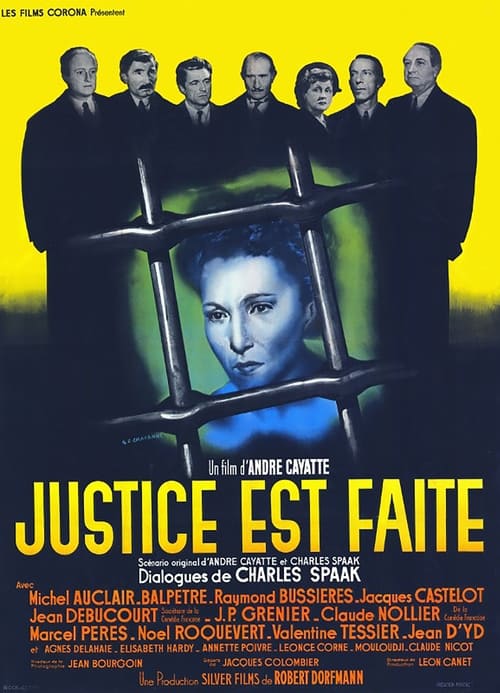


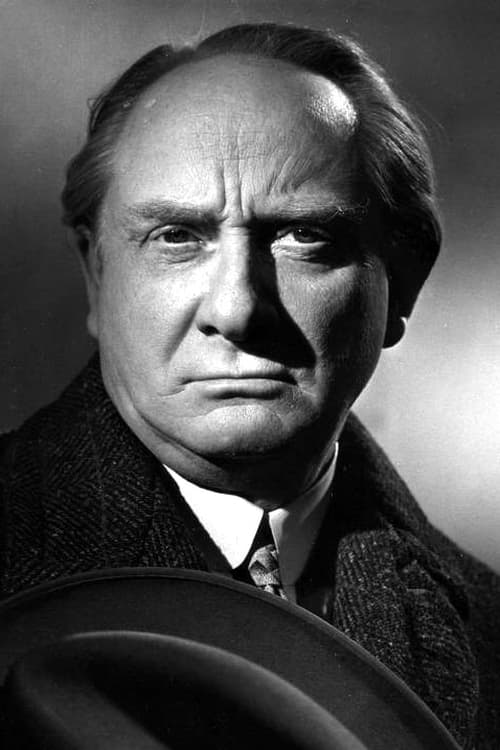

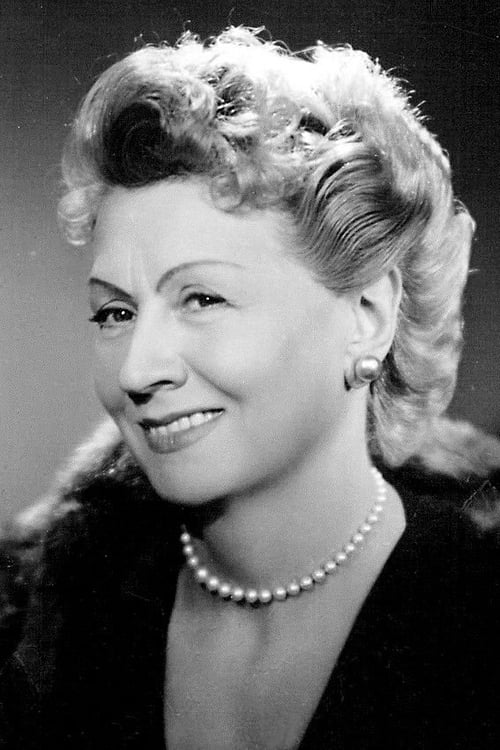
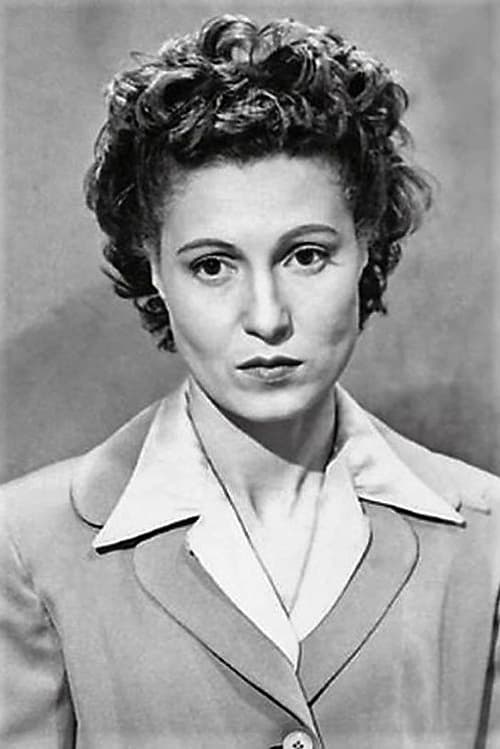
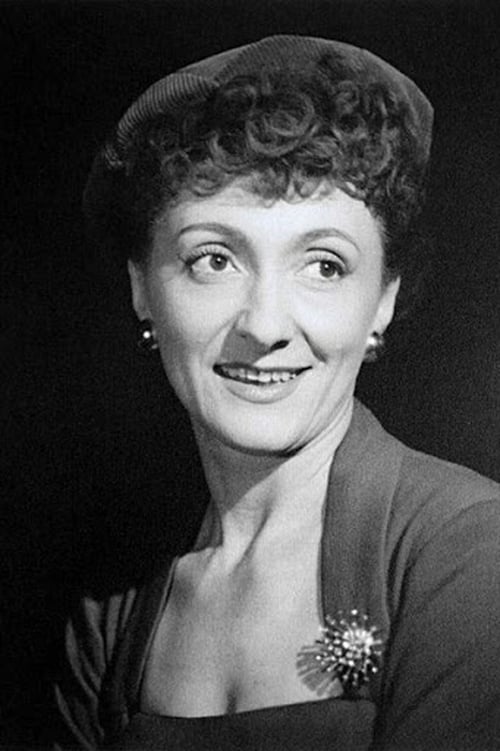

Justice Is Done (French: Justice est faite) is a 1950 French drama film directed by André Cayatte, a former lawyer turned filmmaker, as part of his series examining law, justice, and societal morality in post-war France. It tackles the subject of euthanasia by depicting a court case in which a woman is tried for killing her terminally ill employer at his request. The film shows that all members of the jury are somehow prejudiced because of personal life experience and subsequently each member reads something different into the presented facts.
The film won the Golden Lion at the Venice Film Festival in 1950 and Golden Bear (Thrillers and Adventures) at the 1st Berlin International Film Festival in 1951. It was shot at the Saint-Maurice Studios in Paris and on location around Versailles, Marly-le-Roi, Hérouville and Arronville. The film's sets were designed by the art director Jacques Colombier.
Contents
Plot
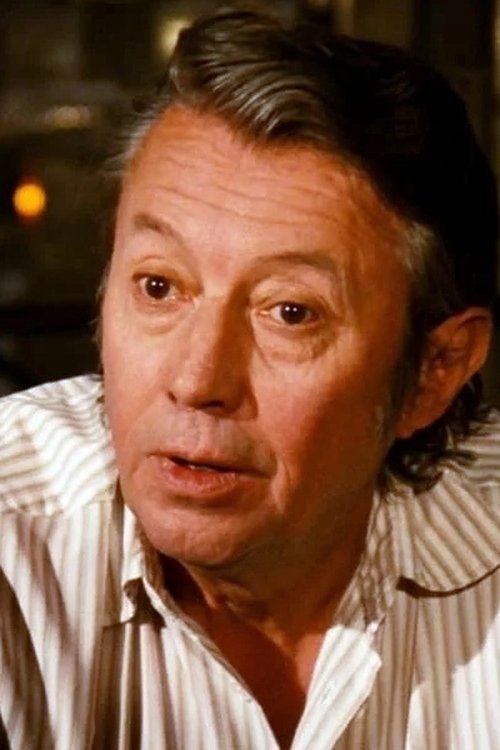
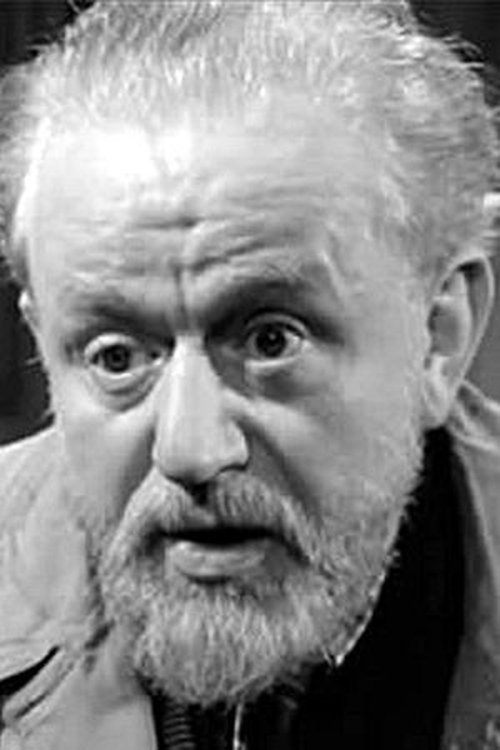
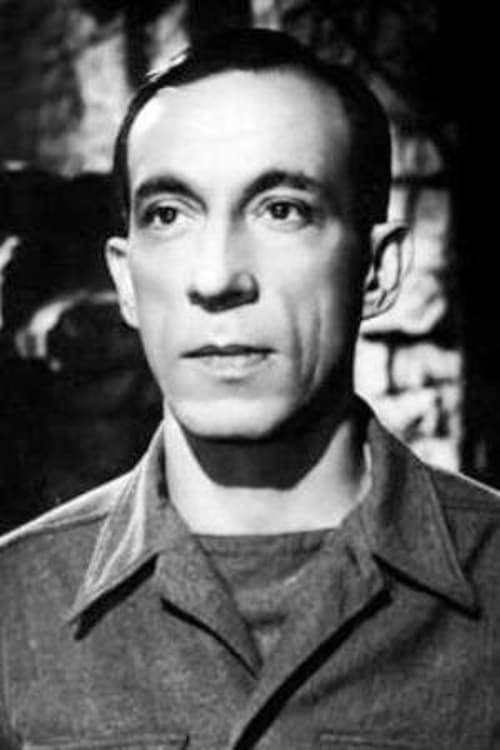
The film opens with a voice-over narration explaining the French judicial system, particularly the role of citizen jurors in assize courts. It then shows the process of selecting seven jurors for a murder trial at the Versailles Court of Assizes. The jurors are ordinary people from diverse backgrounds: Gilbert de Montesson (Jacques Castelot), a successful businessman dealing with marital infidelity; Théodore Andrieux (Noël Roquevert), a conservative farmer and war veteran with strong Christian and patriotic views; Marceline Micoulin (Valentine Tessier), a middle-class housewife struggling with family obligations; Jean-Luc Flavier (Jean-Pierre Grenier), a young intellectual and teacher facing financial difficulties; Félix Noblet (Raymond Bussières), a working-class waiter with a history of personal losses; Eguermont, a retired pharmacist haunted by his wife's prolonged illness; and Michel Beaumont, a reserved engineer with recent experiences of betrayal. Each juror's summons interrupt their daily lives, revealed through brief flashbacks.