Overview
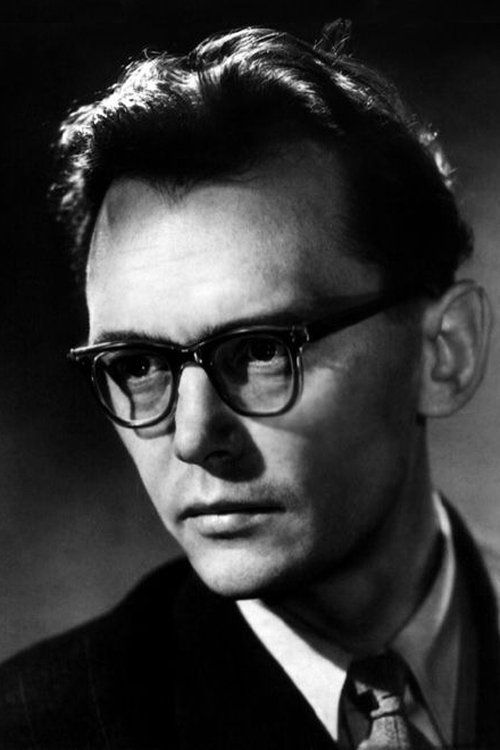
Leonid Iovich Gaidai (; 30 January 1923 – 19 November 1993) was a Soviet and Russian comedy film director, screenwriter and actor who enjoyed immense popularity and broad public recognition in the former Soviet Union. His films broke theatre attendance records and were some of the top-selling DVDs in Russia. He has been described as "the king of Soviet comedy".
Early life and first success
Gaidai was born on 30 January 1923 in Svobodny, Amur Oblast, where he is commemorated by a statue. His father Iov Isidorovich Gaidai came from a Ukrainian family of serfs of the Poltava Governorate. At the age of 22 he was sentenced to several years of katorga for revolutionary activity and sent to the Far East to work at the railway. Leonid's mother Maria Ivanovna Lubimova was born in the Ryazan Oblast to Russian parents. She met her Iove through her brother Egor, also a katorga worker who sent her a photo of his friend along with a marriage proposal. After Gaidai's term expired, they settled down in the Amur Oblast where Gaidai continued working at the railway building site.
Leonid was the third child in the family. His elder brother Aleksandr (1919–1994) was a well-known poet and a war correspondent. Leonid took part in amateur dramatics from a young age. He graduated from school on 20 June 1941. Just two days after, the Great Patriotic War started.
In February 1942, he was enrolled in the Red Army. He first served in Mongolia, then finished sergeant courses, becoming a squad leader. He worked in the military intelligence. On 20 December 1942, Gaidai was awarded the Medal "For Battle Merit" for killing three Nazi soldiers and taking hostages during the battle for Yenkino village. On 20 March 1943, he was heavily injured after stepping on a land mine. He spent nine months in military hospitals. In January 1944, he was sent home as war-disabled. In 1945, he joined the Communist Party.
From Wikipedia (CC BY-SA 4.0).