Production
Lola Montès was planned as a major project to put the theory of European film into practice. Therefore, it was shot in French, German, and English. Ophüls was initially critical of the material, but, after studying Lola Montez's biography, he began to work on the script, planning to make a black-and-white film.
The production companies expected the film to be a success right from the start, and cast it with top-class actors. Martine Carol, a French sex symbol in the 1950s, was hired in September 1954, and received a fee of around 350,000 marks; Anton Walbrook's fee was 100,000 marks. Since Ophüls wanted the film to revolve around the idea of a circus in which Lola answers questions about her life in front of an audience seated around the ring, the production and distribution departments decided to shoot in color. The production company had prepared fixed-time contracts with the actors, but filming was delayed because Ophüls agreed to make the film in color only after doing extensive tests. He also rewrote the script to incorporate color.
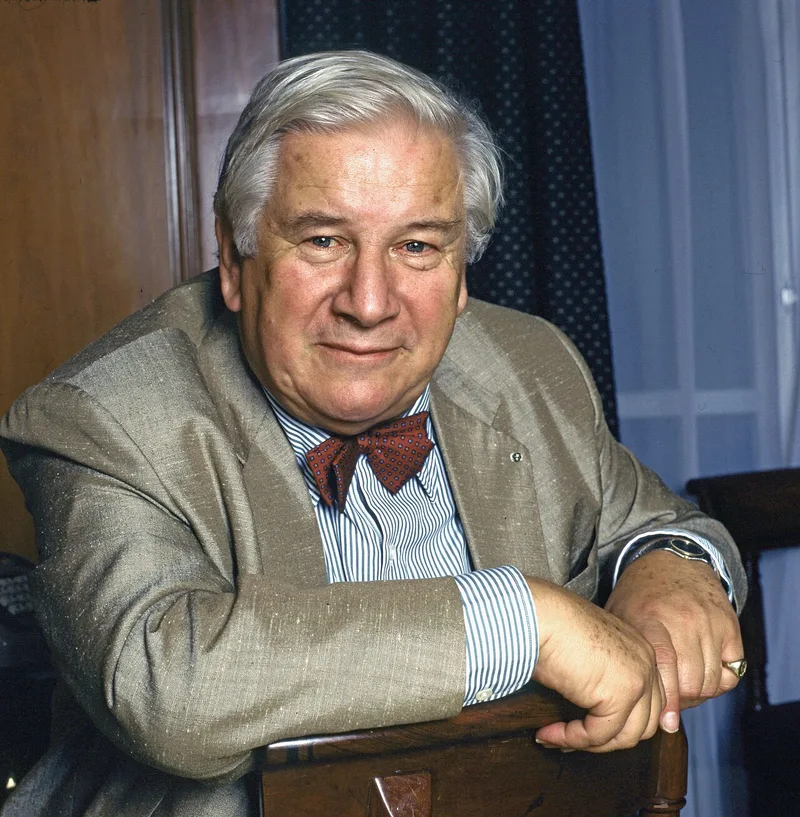
As CinemaScope films were becoming increasingly popular in the mid-1950s, it was also decided that this "prestige project" would be filmed in the then-new recording format. This decision resulted in further changes to the script, which ultimately also meant high costs for contract extensions for the actors, some of whom did not experience a single day of filming during their first contract period. Looking back, Peter Ustinov said: "I started to work two days before the contract was over".
The first day of shooting took place in mid-February 1955. The shooting locations included Paris, Nice, Schloss Weißenstein in Pommersfelden, Bamberg, and Bavaria Studios in Munich.
Since, in return for agreeing to shoot in CinemaScope, Ophüls obtained the assurance that "all technical and artistic resources would be made available to him", the film's cost rose to unprecedented heights for the time. Paths were artificially colored to maintain the film's ingenious color concept; for a shot in which snow was needed, the set was taken to the High Tauern; and costumes had to be reworked when the scene of Ludwig's parade at the Monopteros in the Englischer Garten was switched from winter to summer. For the circus scenes, a permanent circus building was constructed, since the building used by Munich's Circus Krone was not tall enough to accommodate Ophüls's ideas and the Circus Brumbach was already busy with artists and animals. Shooting each scene separately in French, German, and English also increased production costs and shooting time. Despite all this, Reinegger, the distributor of Union-Film, completed the production thanks to two circumstances: the film had been insured against exceeding the scheduled 82-day shoot due to force majeure, and the Heimatfilm Der Förster vom Silberwald (1954) had recently succeeded at the box office.
By the time of its premiere, the film had cost 7.2 million marks. In a 1955 interview, Ophüls said:Whatever sum you will hear, don't forget to divide it by three. Because basically we are shooting three films, one German, one English and one French, since all three versions are shot one after the other with the original cast. So each of the three films will cost a sum that by no means can be called unusual.