Sponsored
Topic
London low emission zone
1 mentions · 24hcoverage spread: L100/C0/R0
Comments
Ask Genius by OpenServe:
Free account · your comment posts right after signup
Momentum
Past windowPrior windowAvg / hr
Topic
Free account · your comment posts right after signup
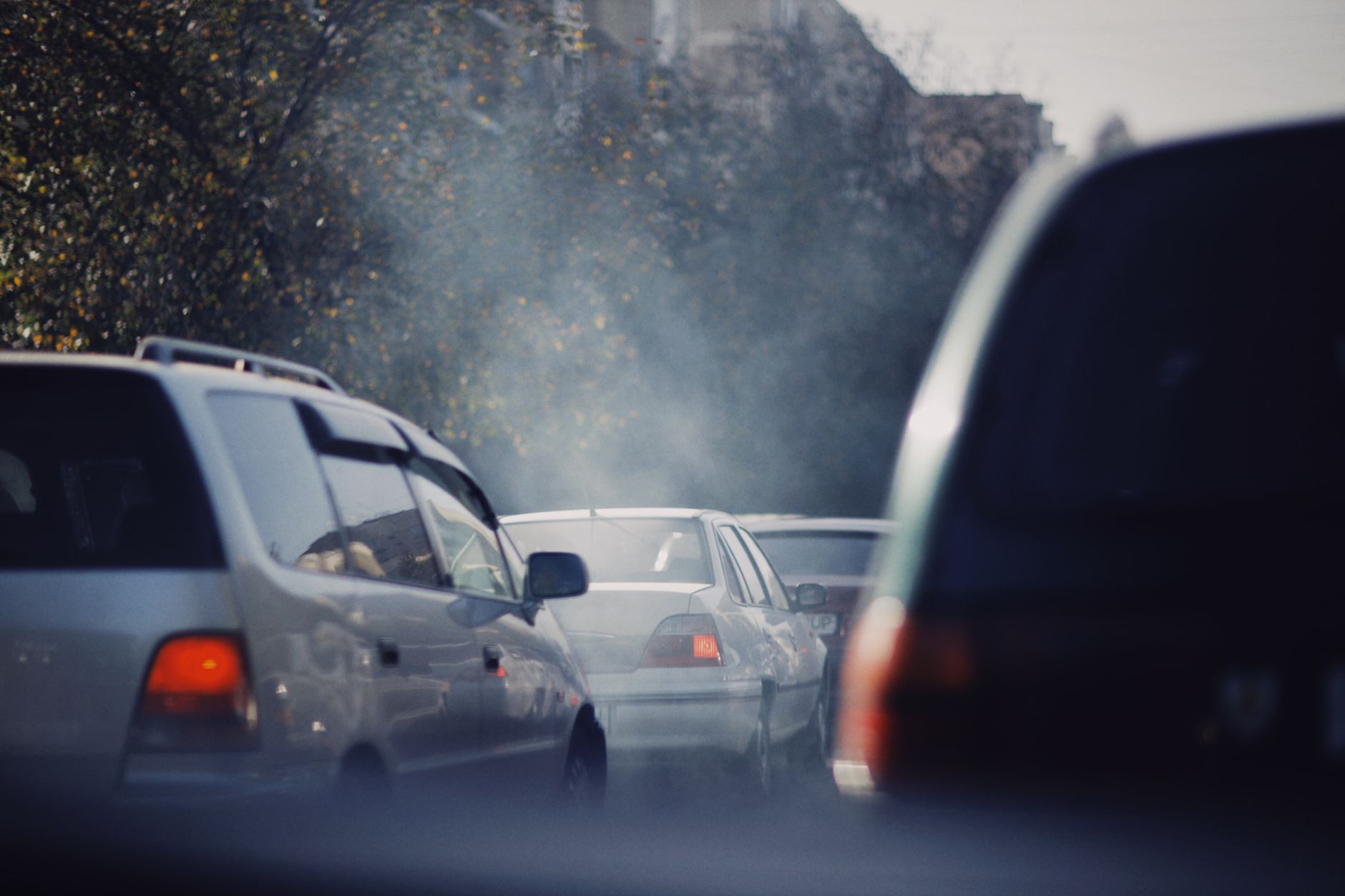
The London Low Emission Zone (LEZ) is an area of London in which an emissions standard based charge is applied to non-compliant commercial vehicles. Its aim is to reduce the exhaust emissions of diesel-powered vehicles in London. This scheme should not be confused with the Ultra Low Emission Zone (ULEZ), introduced in April 2019, which applies to all vehicles. Vehicles that do not conform to various emission standards are charged; the others may enter the controlled zone free of charge. The low emission zone started operating on 4 February 2008 with phased introduction of an increasingly stricter regime until 3 January 2012. The scheme is administered by the Transport for London executive agency within the Greater London Authority.