The Minnesota Vikings are a professional American football team based in Minneapolis. The Vikings compete in the National Football League (NFL) as a member of the National Football Conference (NFC) North division. Founded in 1960 as an expansion team, the team began play the following year. They are named after the Vikings of medieval Scandinavia, reflecting the prominent Scandinavian American culture of Minnesota. The team plays its home games at U.S. Bank Stadium in the Downtown East section of Minneapolis.
The Vikings have an all-time overall record of 537–438–11, the highest regular season and combined winning percentage among NFL franchises who have not won a Super Bowl, in addition the most playoff runs, division titles, and (tied with the Buffalo Bills) Super Bowl appearances. They also have the most conference championship appearances of non-winning Super Bowl teams, with them being one of four (along with the Pittsburgh Steelers, Denver Broncos and Los Angeles Rams) to appear in a conference championship every decade since the 1970s.
Contents
History
Professional football in the Minneapolis–Saint Paul area (the "Twin Cities") began with the Minneapolis Marines/Red Jackets, an NFL team that played intermittently in the 1920s and 1930s. A new professional team in the area did not surface again until August 1959, when Minnesota businessmen Bill Boyer, H. P. Skoglund, and Max Winter were awarded a franchise in the new American Football League (AFL). Five months later, in January 1960, after significant pressure from the NFL, the ownership group, along with Bernard H. Ridder, reneged on its agreement with the AFL and then was awarded the National Football League's 14th franchise, with play to begin in 1961. Ole Haugsrud was added to the NFL team ownership because, in the 1920s, when he sold his Duluth Eskimos team back to the league, the agreement allowed him 10 percent of any future Minnesota team. The teams from Ole Haugsrud's high school, Central High School in Superior, Wisconsin, were also called the Vikings and had a similar purple-and-yellow color scheme.
From the team's first season in 1961 to 1981, the team called Metropolitan Stadium in suburban Bloomington home. The Vikings conducted summer training camp at Bemidji State University from 1961 to 1965. In 1966, the team moved their training camp to Minnesota State University in Mankato. The training camp at Minnesota State was one of the longest continuously running training camp events in the NFL and is remembered as part of the golden era history of the team. The Vikings played their home games at the Hubert H. Humphrey Metrodome in Minneapolis from 1982 to 2013. The Vikings played their last game at the Metrodome on December 29, 2013, defeating the Detroit Lions 14–13 to end the season.
Since the team's first season in 1961, the Vikings have had one of the highest winning percentages in the NFL. As of 2022, they have won at least three games in every season except in 1962, and are one of only seven NFL teams to win at least 15 games in a regular season. The Vikings have won one NFL Championship, in 1969, before the league's merger with the American Football League (AFL) in 1970. Since the merger, the team has qualified for the playoffs 28 times, third-most in the league (trailing only the Dallas Cowboys and Pittsburgh Steelers). The team played in Super Bowls IV, VIII, IX and XI, but failed to win any of them. In addition, they have lost in their last six NFC Championship Game appearances, stretching back to 1978. The Vikings have 15 members in the Pro Football Hall of Fame.
1960s
The team was officially named the Minnesota Vikings on September 27, 1960; the name is partly meant to reflect Minnesota's place as a center of Scandinavian American culture. From the start, the Vikings embraced an energetic marketing program that produced first-year season ticket sales of nearly 26,000 and an average home attendance of 34,586, about 85 percent of Metropolitan Stadium's capacity of 40,800. Eventually, the capacity of Met Stadium was increased to 47,900. Bert Rose, former public relations director for the Los Angeles Rams, was appointed the team's first general manager. The search for the first head coach saw the team court then-Northwestern University head coach Ara Parseghian, who, according to Minneapolis Star writer Jim Klobuchar—the Vikings' first beat reporter for that newspaper—visited team management in the Twin Cities under the condition that his visit was to be kept secret from his current employer. His cover was blown by local columnist Sid Hartman, who reported the visit and forced Parseghian to issue denials. Philadelphia Eagles assistant Nick Skorich and a man with Minnesota ties who was working in the CFL, Bud Grant, were also candidates until a different Eagle, quarterback Norm Van Brocklin, was hired on January 18, 1961. Van Brocklin had just finished his career as a player on a high note, having defeated the Green Bay Packers in the 1960 NFL Championship Game.
As a new franchise, the Vikings had the first overall selection in the 1961 NFL draft, and they picked running back Tommy Mason of Tulane. They also took a young quarterback from the University of Georgia named Fran Tarkenton in the third round. Notable veterans acquired in the offseason were George Shaw and Hugh McElhenny. The Vikings won their first regular-season game, defeating the Chicago Bears 37–13 on Opening Day 1961; Tarkenton came off the bench to throw four touchdown passes and run for another to lead the upset. Reality set in as the expansion team lost its next seven games on their way to a 3–11 record. The losing continued throughout much of the 1960s as the Vikings had a combined record of 32 wins, 59 losses, and 7 ties in their first seven seasons with only one winning season (8–5–1 in 1964).
On March 7, 1967, quarterback Fran Tarkenton was traded to the New York Giants for a first-round and second-round draft choice in 1967, a first-round choice in 1968 and a second-round choice in 1969. With the picks, Minnesota selected Clinton Jones and Bob Grim in 1967, Ron Yary in 1968 and Ed White in 1969. On March 10, 1967, the Vikings hired new head coach Bud Grant to replace Van Brocklin, who had resigned on February 11, 1967. Grant came to the Vikings from the Canadian Football League as head coach for the Winnipeg Blue Bombers, whom he led to four Grey Cup Championships in 10 years. Replacing Tarkenton at quarterback was eight-year CFL veteran and Grey Cup champion Joe Kapp. During the late 1960s, the Vikings built a powerful defense known as the Purple People Eaters, led by Alan Page, Carl Eller, Gary Larsen, and Jim Marshall. In 1968, that stingy defense earned the Vikings their first Central Division title and their first playoff berth.
1970s
The team continued to dominate in 1970 (moving into the newly formed NFC Central) and 1971, reaching the playoffs behind the stubborn "Purple People Eaters" defensive line. In 1971, Alan Page won the NFL Most Valuable Player Award given by the Associated Press. He was the first defensive player to win the award.
On January 27, 1972, the Vikings traded Norm Snead, Bob Grim, Vince Clements and first-round draft picks in 1972 and 1973 to the New York Giants to reacquire the popular Fran Tarkenton. While the acquisitions of Tarkenton and wide receiver John Gilliam improved the passing attack, the running game was inconsistent and the Vikings finished with a disappointing 7–7 record. The Vikings addressed the problem by drafting running back Chuck Foreman with their first pick in the 1973 draft. Co-owner Bill Boyer died on February 19, 1973 and was replaced on the team's board of directors by his son-in-law Jack Steele.
The Vikings won their first nine games of 1973 and finished the season with a 12–2 record. They then advanced to their second Super Bowl in franchise history, Super Bowl VIII, against the Miami Dolphins at Rice Stadium in Houston, Texas; however, the Dolphins prevailed, 24–7.
The Vikings won the Central Division again in 1974 with a 10–4 record. In the playoffs they built on their cold-weather reputation, defeating both the St. Louis Cardinals 30–14 and the Los Angeles Rams 14–10 in frozen Metropolitan Stadium. The Vikings played in their second straight Super Bowl, Super Bowl IX (3rd overall), losing to the Pittsburgh Steelers, 16–6, at Tulane Stadium in New Orleans on January 12, 1975.
Led by Tarkenton and running back Chuck Foreman, the 1975 Vikings got off to a 10–0 start and easily won another division title. However, the Vikings lost to the Dallas Cowboys in the playoffs, 17–14, on a controversial touchdown pass from the Cowboys' quarterback Roger Staubach to wide receiver Drew Pearson that became known as the Hail Mary. The touchdown was controversial because many felt that Pearson pushed off on Vikings defensive back Nate Wright, committing pass interference. As the Metropolitan Stadium crowd was stunned to learn that no penalty was called, debris was thrown on the field for several minutes. A Corby's Whiskey bottle struck game official Armen Terzian, rendering him unconscious.
1980s
On May 15, 1981, the Vikings moved into a new facility in suburban Eden Prairie that housed the team's offices, locker room and practice fields. The complex was named "Winter Park" after Max Winter, one of the Vikings' founders, who served as the team's president from 1965 to 1987. The Vikings played their final game at Metropolitan Stadium on December 20 to conclude the 1981 NFL season by losing to the Kansas City Chiefs, 10–6.
The Vikings played their first game at the Metrodome in a preseason matchup against the Seattle Seahawks on August 21, 1982, in a game Minnesota won, 7–3. The first touchdown in the new facility was scored by Joe Senser on an 11-yard pass from Tommy Kramer. The first regular-season game in the Metrodome was the 1982 opener on September 12, when the Vikings defeated Tampa Bay, 17–10. Rickey Young scored the first regular-season touchdown in the facility on a 3-yard run in the 2nd quarter. That year the defense led by Joey Browner began a dominant 10-year run as a premier NFL defensive back. The Vikings beat the St. Louis Cardinals 28–10 on August 6, 1983, at Wembley Stadium in London in the first international game in the NFL.
On January 27, 1984, Bud Grant retired as head coach of the Vikings. With a career regular-season record of 151–87–5 (.632) in 17 seasons with Minnesota, Grant led the franchise to 12 playoff appearances, 11 division titles, and four Super Bowls. Les Steckel, who was an offensive assistant with the Vikings for 5 seasons, was then named the 3rd head coach in franchise history. Steckel, who came to the Vikings in 1979 after working as an assistant with the 49ers, was the youngest head coach in the NFL in 1984 at age 38. However, the Vikings lost a franchise-worst 13 games. After the season Steckel was fired, and on December 18, 1984, Bud Grant came out of retirement and was rehired as the head coach of the Vikings.
On January 6, 1986, after the 1985 season, Bud Grant re-retired, this time permanently, as head coach of the Vikings. At the time of his retirement he held the 6th best winning record for a coach in NFL history with 168 career wins, including playoffs. In 18 seasons, he led the Vikings to a 158–96–5 regular-season record. Longtime Vikings assistant coach Jerry Burns was named the fourth head coach in team history on January 7, 1986. He served as the Vikings' offensive coordinator from 1968 to 1985, when the team won 11 division titles and played in four Super Bowls. In his first season, the Vikings, led by the NFL Comeback Player of the Year Tommy Kramer, went 9–7, their first winning record in four years. On August 2, 1986, Fran Tarkenton was the first player who played the majority of his career with the Vikings to be inducted into the Pro Football Hall of Fame.
1990s
On December 3, 1991, Jerry Burns announced his retirement effective at the end of the 1991 season. In six seasons as head coach of the Vikings, Burns compiled a career record of 52–43 (.547). He also led Minnesota to three playoff appearances, including a division title and an NFC Championship Game. Dennis Green was later named the fifth head coach in team history, after turning around a struggling Stanford University football program as head coach from 1989 to 1991. In his 10 seasons as the coach of the Vikings, Green won four NFC Central division titles, had eight playoff appearances, two NFC Championship Game appearances and an all-time record of 97–62. The Vikings therefore had the fifth highest winning percentage among all NFL teams during the regular season in the 1990s.
1998 was a year to remember for the franchise. With a spectacular offense led by quarterback Randall Cunningham (who replaced an injured Brad Johnson), running back Robert Smith, veteran wide receiver Cris Carter, and explosive rookie Randy Moss, the Vikings set a then-NFL record by scoring a total of 556 points, never scoring fewer than 24 in a game. The Vikings finished the season 15–1, their only loss was to the Tampa Bay Buccaneers 27–24 in Week 9. In the playoffs, the Vikings rolled past the Arizona Cardinals 41–21, and came into the Metrodome heavily favored for their NFC title showdown with the Atlanta Falcons, who had gone 14–2 in the regular season. After kicker Gary Anderson, who had just completed the first perfect regular season in NFL history (not missing a single extra point or field goal attempt the entire year), missed a 38-yard field goal attempt with just over 2 minutes remaining, the Falcons' ensuing drive tied the game. This led to a controversial decision by head coach Dennis Green to run out the clock and let the game go to overtime. Though the Vikings won the coin toss, Atlanta went on to win it 30–27 in overtime on Morten Andersen's 38-yard field goal. The Vikings became the first 15–1 team to fail to reach the Super Bowl.
Cunningham resumed duties again in 1999, but after a lukewarm 2–4 start, Jeff George replaced him as starting quarterback. He finished the season with an 8–2 record, and led the Vikings into the postseason once again, with an overall team record of 10–6. Minnesota beat Dallas in the Wild Card game 27–10, and faced playoff newcomer Kurt Warner and the St. Louis Rams in the Divisional matchup. The game was a shootout that Minnesota led 17–14 at halftime, but the Rams outscored Minnesota 35–20 in the second half to win 49–37.
2000s
The Vikings entered the decade by winning the divisional championship and an appearance in the 2000 NFC Championship game, where they were defeated 41–0 by the New York Giants. The following season, they struggled to a 5–11 record. The team made the playoffs again in 2004, but did not win a divisional title again until 2008. Since the merger, the 2000s became the decade with the fewest playoff berths for the franchise.
In 2000, the Vikings went 11–5. The Vikings were 11–2 after 14 weeks, but slumped briefly, losing their last three to the Rams, Packers and Colts while starting quarterback Daunte Culpepper was hampered by injury. Nonetheless, the Vikings made the playoffs for the fifth straight year. After easily beating the Saints in the Divisional game 34–16, they traveled to New York City to face the Giants in the NFC Championship Game. Though they were the road team, the Vikings were favored to win the game (since most considered their 11–2 record with Culpepper more indicative than their 0–3 record when he was out); instead, the Vikings were defeated 41–0, their worst defeat in playoff history. Robert Smith, who ran for 1,521 yards that season, retired at the end of the year after only playing eight NFL seasons.
In 2001, after a disappointing 5–11 season, the Vikings bought out the contract of Dennis Green, despite his successful coaching tenure with the team. Mike Tice coached the final game of 2001, losing to the Ravens 19–3. Tice was named the permanent coach after the season, but he would not lead the Vikings back to the playoffs until 2004. In 2002, as part of the league's realignment with the addition of the Houston Texans, the Vikings and their other traditional NFC Central rivals became part of the newly formed NFC North.
During the 2003 season, the Vikings came close to getting into the playoffs. However, the Arizona Cardinals completed a game-winning touchdown on 4th-and-28 with 0:00 left, knocking the Vikings out of the playoffs. The moment of Arizona's touchdown was actually the first moment the entire season in which the Vikings hadn't led their division. The Vikings became the second team in football history to miss the playoffs after getting off to a 6–0 start, after the 1978 Washington Redskins.
In 2004, Daunte Culpepper amassed MVP-like statistics, throwing for 4,717 passing yards (leading the NFL), 39 passing touchdowns (a Viking record), and 5,123 total yards (an NFL record). In the wild card game, the Vikings defeated the rival Green Bay Packers at Lambeau Field in their first-ever playoff meeting, 31–17. In doing so, the Vikings became the second team in NFL history to have a .500 record (8–8) in the regular season and win a playoff game (The St. Louis Rams did the same thing only a day earlier). In the divisional round, the Vikings were defeated by the eventual NFC champion Philadelphia Eagles.
2010s
The Vikings performed similarly in the 2010s, only making the playoffs four times and going 2–4 in those games. Additionally, there was inconsistency at the quarterback position, with thirteen quarterbacks starting at least one game for the team during this decade. Despite their performance, the team performed better in the regular season overall after the 2013 season, including an NFC Championship appearance in 2017.
In the first week of the 2010 NFL regular season, the Vikings played the defending Super Bowl champions, the New Orleans Saints. The Vikings lost 14–9. In Week 2, the Vikings played the Miami Dolphins and lost 14–10. The Vikings defeated the Detroit Lions 24–10 in the third week of the season. After a week four bye-week, the Vikings received star wide receiver Randy Moss in a trade with the New England Patriots. Even with the addition of Moss, the Vikings lost to the New York Jets 29–20 in Week 5. The Vikings won a crucial victory against another struggling team in the form of the Dallas Cowboys 24–21, but in Week 7 the Vikings lost to the arch-rival Green Bay Packers 28–24. In Week 9, the Vikings played the Arizona Cardinals at home and won 27–24 in overtime, coming back from a 24–10 deficit in the final four minutes of regulation. Favre threw for a career-high 446 passing yards. The Vikings then went on to face the Chicago Bears, but were defeated, and then went on to be blown out 31–3 at home by the Packers the following game. Head coach Brad Childress was fired the next Monday. With Leslie Frazier filling in for the fired Childress, the Vikings won two games in a row. One against the Washington Redskins on the road, and a blowout win over the Buffalo Bills at home.
After a winter storm dropped nearly 17 inches (430 mm) of snow in the Minneapolis/St Paul area the Saturday before the Vikings December 12 home game versus the New York Giants and 30 mph (48 km/h) gusts drove snow removers off the dome's roof overnight, several panels were damaged as the weight of the snow caused the roof to collapse. After viewing the damage, Vikings management and the NFL decided to move the game to Monday and play it at Ford Field in Detroit, Michigan. Because of ongoing repairs to the roof of the Metrodome, the Vikings played their December 20 game versus the Chicago Bears at TCF Bank Stadium. Favre threw the final touchdown pass of his career (to Percy Harvin) in this game. On December 26, the NFL announced that the game versus the Philadelphia Eagles was being postponed to Tuesday, December 28, 2010, because of blizzard conditions. This marks the third consecutive venue or date change for a Vikings game and was the first NFL game played on a Tuesday since 1964. The Vikings proceeded to upset the dynamic Eagles offense, led by a resurgent Michael Vick, 24–14 with rookie Joe Webb at the helm. The Vikings finished the season 6–10 with a 20–13 loss against the Detroit Lions.
2020s
The Vikings used the 22nd overall pick in the 2020 NFL draft on All-Pro wide receiver Justin Jefferson. After falling to the New Orleans Saints on Christmas Day, the Minnesota Vikings were eliminated from the 2020 playoffs. The Vikings finished 7–9 in 2020, the first losing season since 2014 and only the second under Zimmer.
In 2021, the Vikings missed the playoffs for the second straight season after a 37–10 loss to the Green Bay Packers in Week 17. After a 31–17 win over the Chicago Bears in Week 18 to finish the season 8–9, the team fired head coach Mike Zimmer and general manager Rick Spielman on January 10, 2022.
On January 26, 2022, the Vikings hired Kwesi Adofo-Mensah, former vice president of football operations at the Cleveland Browns and Director of R&D at the San Francisco 49ers, to be the team's new general manager. After the Los Angeles Rams won Super Bowl LVI on February 13, 2022, the Vikings subsequently named then-Rams offensive coordinator Kevin O'Connell as their franchise's 10th head coach on February 16. The Vikings finished the regular season as NFC North champions with a 13–4 record. They also set an NFL record by winning 11 one-score games, the most in any NFL season. The Vikings entered the playoffs as the number three seed in the NFC but lost in the wild-card round to the New York Giants 31–24.
In Week 8, the Vikings lost Kirk Cousins for the season to an Achilles injury. The Vikings closed out the year with Jaren Hall, Joshua Dobbs, and Nick Mullens seeing time at quarterback. The team finished the 2023 season with a 7–10 record. In the offseason, Cousins departed for the Atlanta Falcons. The Vikings had the 10th overall pick in the 2024 NFL draft and used it on Michigan quarterback J. J. McCarthy.
While first-round draft pick JJ McCarthy was originally speculated to have the opportunity to be a starter, battling for the QB1 positions with journeyman backup Sam Darnold, who had been signed in the offseason. However, after encountering knee swelling the day after his NFL debut in a pre-season game, McCarthy underwent knee surgery for his meniscus, ending his season. Darnold became the starter, but there was not much excitement around him. Initial predictions for the Vikings record were shaky, with estimations such as 9–8 and 7–10. Darnold, however, had a breakout season, leading the Vikings to a 14–3 record, becoming the first quarterback in the NFL to win 14 games in their first season with a team.
Logo and uniforms
The Vikings' trademark horned helmet and purple-and-gold uniforms were designed by Los Angeles Examiner cartoonist Karl Hubenthal. Bert Rose and Norm Van Brocklin both knew Hubenthal from their days with the Los Angeles Rams organization. Hubenthal also designed the original Norseman logo.
From the team's debut in 1961 to 1995, the Vikings' logos and uniforms essentially remained the same. Reflecting Minnesota's Scandinavian cultural heritage, one of the team's two primary logos consists of a profile of a blond Norseman, while the other consists of a white Viking horn.
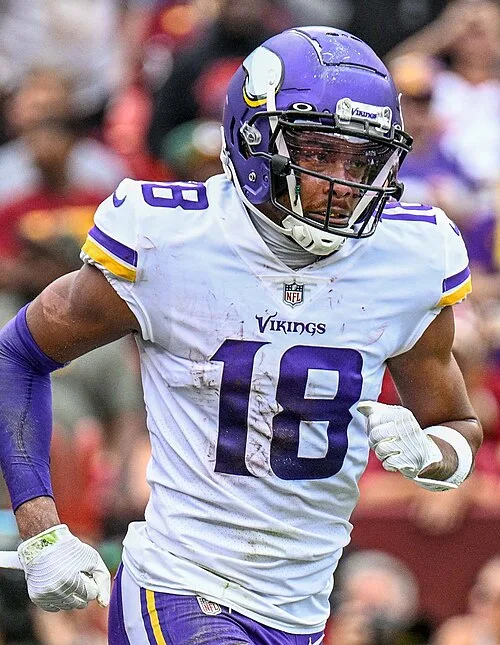
The team's helmet is purple with a Viking horn logo on each side. Each horn is outlined in gold. The horn logo was slightly revised in 2006. The original uniform design consisted of white pants, gold trim, and either purple or white jerseys. On the jersey's sleeves was the Northwestern stripe pattern in white with gold trim. For the white uniform the stripes were purple with gold trim as well. From 1962 to 1964, the Vikings wore purple pants with their white jerseys (The Vikings, with their current uniform, still wear purple pants with yellow and white trim). In 1969, the design for the white uniforms had changed to a completely different stripe pattern, which was over the shoulders, then the purple ones, which were around the sleeve cuff. These unique shoulder stripes were first worn in 1969, the year they went to their first Super Bowl. There have also been minor changes to the uniform design throughout the years, such as changing the color of the face mask from gray to white in 1980, and then to purple in 1985. In addition, the Norseman logo was added to the sleeves in 1996, and the purple jersey stripes were toned down with that change; the TV numbers, previously located on the jersey sleeves, moved up to the shoulders as well that year. The Vikings continued to wear black shoes until Les Steckel became head coach in 1984; they were the last NFL team to make the change from black to white shoes. In 2006, the team returned to black shoes for the first time since the 1983 season.
The Vikings tweaked their Norseman logo, which involved updating the shading, altering the shape and base of the horns, thickening the mustache and face, making the gold tones brighter, and shortening the braid. The new logo was unveiled on February 14, 2013. On March 28, the team reported that new uniforms will be unveiled on April 25.
All-purple uniforms
On October 11, 1964, for a home game against the Detroit Lions, the Vikings decided to wear their road uniform of white jerseys and purple pants; however, the Lions mistakenly only brought their white jerseys to Minnesota. The game began with both teams wearing white, but it proved too confusing, and ahead of the second quarter, the Vikings changed into their purple jerseys; however, they did not change their pants, resulting in the first time the Vikings wore all-purple for a game. It was not until 43 years later, on December 17, 2007 (a Monday Night Football game against the Chicago Bears) that the Vikings again wore both purple jerseys and purple pants—the first time they wore all-purple intentionally. They repeated this three years later, the wearing all-purple for the November 7, 2010, home game against the Arizona Cardinals.
The NFL introduced "Color Rush" uniforms for all 32 teams in the 2016 season, specifically for Thursday Night Football games. The Vikings had an all-purple uniform with gold numbers and stripes on the pants, which made its only appearance as a Color Rush uniform in Week 13 at home against the Dallas Cowboys. After the program was discontinued in 2018, these uniforms have become the team's primary alternate and are now known under the name "Primetime Purple"; however, the Vikings only wear these uniforms during home Thursday Night games. They wore the uniforms under the Primetime Purple name for the first time during a game against the Washington Redskins in 2019. In the team's Wild Card game against the New Orleans Saints during the 2019 season, the Vikings wore all purple again; however, instead of the regular alternates, they wore the regular home uniforms with the away purple pants. They wore the combination in games against the Saints in 2020 and 2022.
In 2020, the Primetime Purple uniforms made an appearance in a late-afternoon game against the Cowboys. The next season, they were worn for a Thursday Night home game against the Pittsburgh Steelers. The uniform was most recently worn during a Thanksgiving Day game against the New England Patriots in 2022.
All-white uniform
On June 6, 2024, the Minnesota Vikings unveiled an all-white "Winter Warrior" uniform. It features a white helmet with a satin finish and is adorned with a metallic gray stripe inspired by the metal stripping found on traditional Viking helmets. The uniform is based on the team's decision to wear their standard white jerseys and white pants for one game in both the 2022 and 2023 seasons, which the Vikings dubbed "Winter Whiteouts". This uniform is the first in Minnesota history to include a white helmet. These uniforms were worn for their 2024 Winter Whiteout game against the Bears.
Team culture
Mascots
After several failed attempts at developing an official team-owned mascot, the Vikings finally introduced Viktor the Viking during the 2007 Vikings' season. Team officials had long indicated that they were after a mascot concept that would primarily appeal to the team's younger fan base. Viktor the Viking, a muscle-bound, blond-haired and mustachioed character, wears a Vikings' #1 jersey and an oversized Vikings helmet with protruding horns and a small yellow nose guard.
From 1970 to 1992, truck driver Hub Meeds dressed as a Viking and served as the team mascot. Meeds asked to become the mascot after being accidentally let onto the field by security during Super Bowl IV in New Orleans.
From 1994 to 2015, the team mascot was Ragnar (played by Joseph Juranitch) and was based on the legendary Viking Ragnar Lodbrok. Juranitch admits to being somewhat of an eccentric—he holds the current world record for fastest time shaving a beard with an axe, but hasn't shaved his beard since he won the Ragnar job among 3,000 applicants. Ragnar drove onto the field at the beginning of a game dressed in Viking garb, on a motorcycle, while a cheerleader used to ride a snowmobile. Although never one to shy away from confrontations with opposing players, notably Chad "Ochocinco" Johnson, he had a soft spot for Brett Favre while the quarterback started for the rival Green Bay Packers. In 2015, the Vikings announced that they were not able to reach a new contract agreement with Juranitch which he wanted $20,000 per game, and released him.
Another mascot associated with the Vikings was "Vikadontis Rex", a purple foam dinosaur. Vikadontis was the official mascot of the Minnesota Vikings Children's Fund and took part in the 1995 Celebrity Mascot Olympics. Vikadontis was retired starting with the 2000 season. The team also had an NFL Huddles mascot in the mid-1980s (somewhat similar to Viktor the Viking). Krazy George Henderson was also employed as a cheerleader from 1982 to 1985.
Fight song
"Skol, Vikings" is the fight song of the Minnesota Vikings. It was introduced around the time the team was founded in 1961. It is always played whenever the team scores a touchdown, field goal or safety, at the end of each half, and upon victory. The word skol is an anglicization of the Swedish, Danish, and Norwegian skål, meaning "cheers!"
Helga hats
Vikings fans are known to dress up in "Helga hats", purple hats with white horns and blonde braids, mimicking the helmets popularly believed to have been worn by Viking warriors. The original Helga Hats are still hand assembled in the Twin Cities area.
Vikings horn
During home games, the Vikings' Gjallarhorn is played during its pre-game ceremonies, a tradition that started in 2007. The ceremony has been an opportunity to honor past Viking greats (most notably Randy Moss) along with Minnesota-related folks (such as the Minnesota Duluth Bulldogs men's ice hockey team when they won the NCAA hockey championship). The first horn broke right before the playing of the 2016 playoff game in Minnesota versus the Seattle Seahawks, owing to below-zero temperatures (at the time, the Vikings were playing at Huntington Bank Stadium, an outdoor stadium) that cracked it. Both the first and second horns were created by Todd Johnson, a general manager at a music store.
Skol Chant
The Skol Chant is a cheer that is used in U.S. Bank Stadium for Minnesota Vikings games. It involves fans clapping their hands above their heads and yelling "skol" in response to the beat of a drum. The chant is a modified take on the "Viking war chant" used by supporters of the Iceland national football team at UEFA Euro 2016.
Association with Prince
Prince, a native of Minneapolis, was a lifelong Vikings fan and recorded the song "Purple and Gold" for the team in 2010. After the musician’s passing in 2016, the Vikings adopted his Billboard Hot 100 number-one hit “Let's Go Crazy” as its touchdown song.
Rivalries
Divisional
The Vikings' rivalry with the Chicago Bears began when the Vikings entered the league as an expansion team in 1961. The first time these two teams met, the Vikings managed an upset over the Bears 37–13 in Minnesota. Both teams are members of the NFC North, and play at least twice a year. The Vikings lead the overall series 65–57–2. The teams have met once in the postseason, a 35–18 Bears win in the 1994 Wild Card Round.
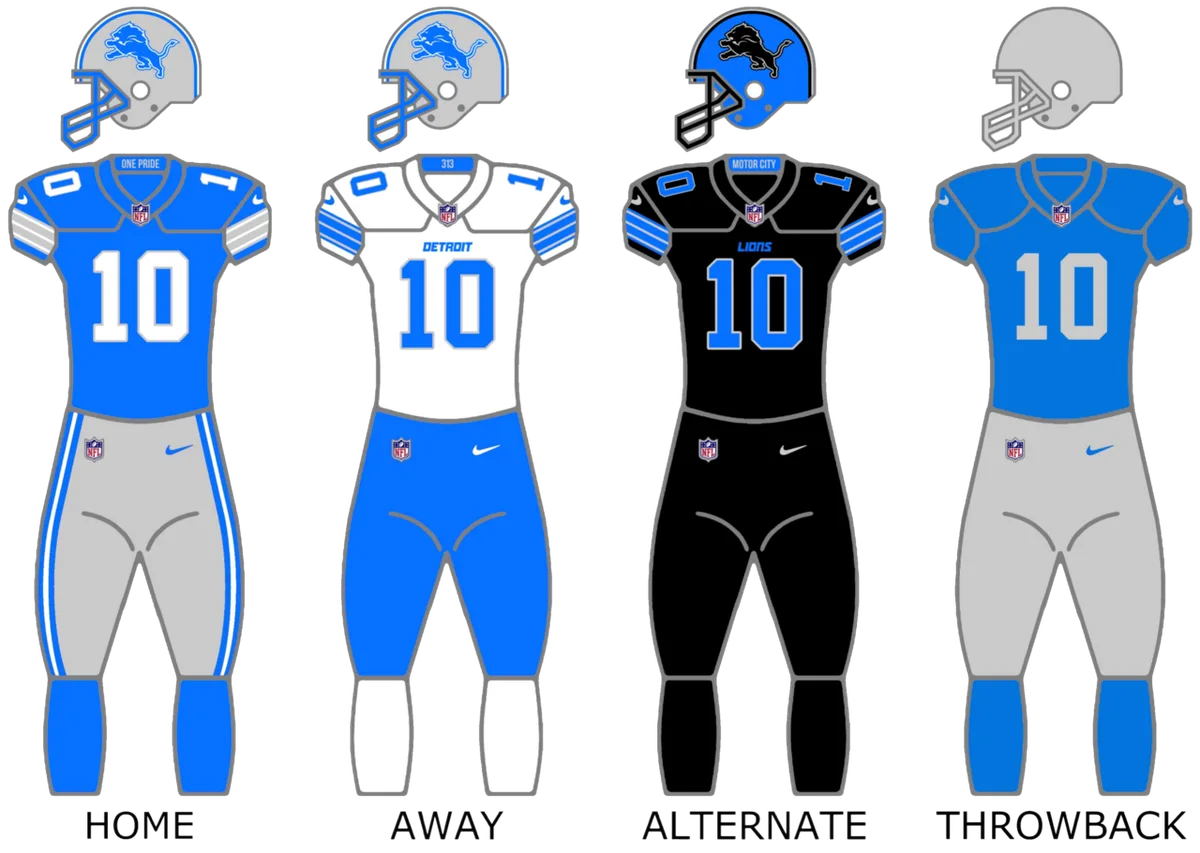
The Vikings and Detroit Lions have played twice annually since the Vikings entered the league's Western Conference in 1961. The two teams moved to the NFC Central after the AFL-NFL merger in 1970, which became the NFC North after the NFL's 2002 realignment. This is the only NFC North rivalry without any head-to-head postseason meetings. The Vikings lead the all-time series 80–41–2.
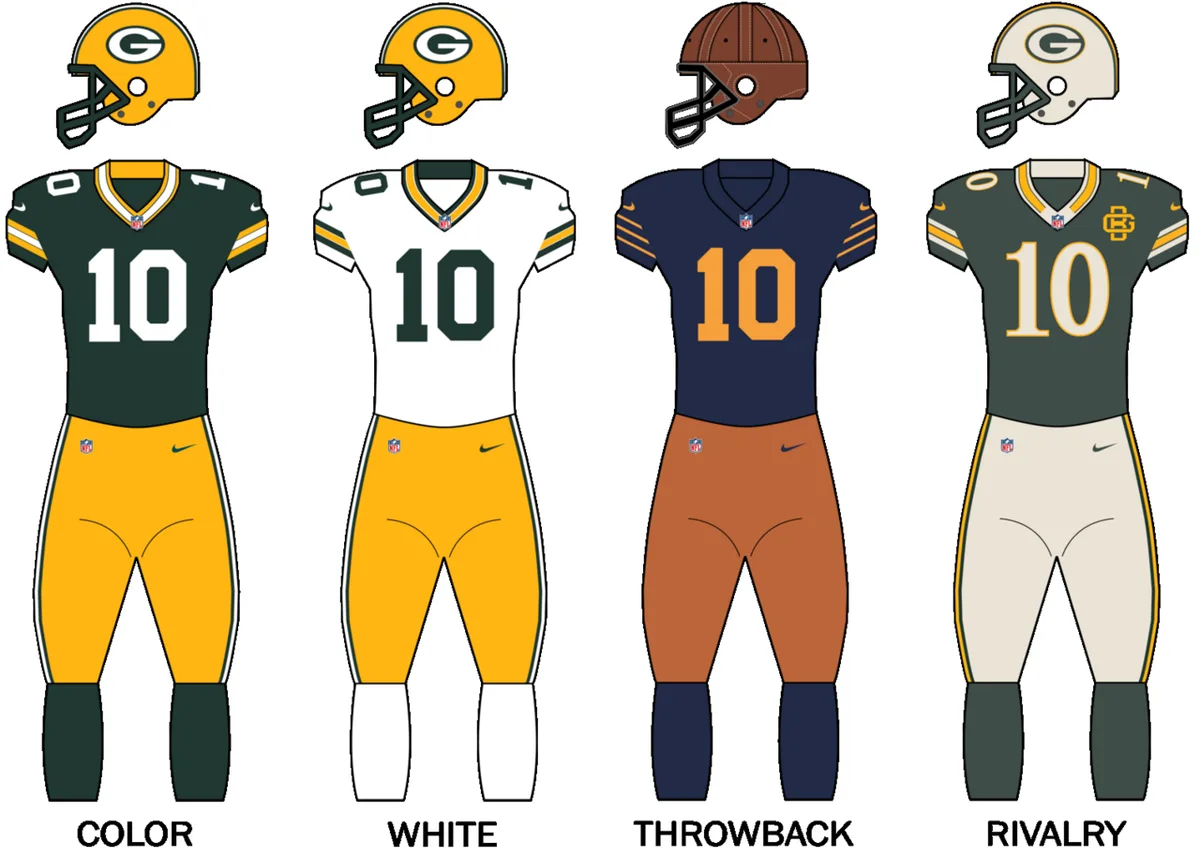
The rivalry between the Vikings and the Green Bay Packers began in 1961, similarly to their other divisional rivalries. Much like other Minnesota-Wisconsin sports rivalries, such as that between the Wisconsin Badgers and Minnesota Golden Gophers. It is also considered to be the most widely acknowledged rivalry within NFC North. Events such as Randy Moss mooning the Green Bay crowd in the first playoff game between these two teams (won by the Vikings), and former Packer great Brett Favre's move to the Vikings have created more resentment between these teams. The Packers lead the all-time series 66–60–3, despite the two teams splitting their two playoff contests.
Conference
The Vikings have developed a heated NFC rivalry with the New Orleans Saints, who have become known as the Vikings' biggest out-of-division rival. The Vikings lead the overall series 23–13, including 4–1 in the playoffs. This rivalry has featured many notable playoff matchups, such as the 2009 NFC Championship Game and the 2017 NFC Divisional Round game.
Historic
The rivalry between the Cowboys and the Vikings heated up during the 1970s, with several of their games impacting the NFC playoff race during that decade. The Cowboys lead the all-time series 19–15, including a 4–3 record against the Vikings in the playoffs.
The Vikings' rivalry with the Los Angeles Rams was most heated in the 1970s when the two teams faced off in many consequential playoff games. To-date, the Vikings are the Rams' second most played playoff opponent with seven games, and the Rams are tied with the Cowboys as the most played playoff opponent for the Vikings.
The Vikings lead the all-time series 27–18–1 and are 5–2 in the playoffs.
Players
Retired numbers
† = Posthumous
Pro Football Hall of Famers
Italics = played only a minor portion of their career with the Vikings, and are recognized primarily based upon achievements with other teams
50 Greatest Vikings (2010)
In connection with the team's 50th anniversary, the Vikings announced a group of 50 top players on December 19, 2010.
All-Mall of America Field Team (2013)
In 2013, in recognition of their final season at the Metrodome, the Vikings organized a fan vote to determine the best players at each position to play for the team in their time at the stadium. They named 12 players on offense, 11 on defense, four special teams players and a head coach.
Offense
Defense
Special teams
Head coach
HC – Dennis Green, 1992–2001
Coaches
Head coaches
The Vikings have had ten head coaches in franchise history. Bud Grant served two non-consecutive stints as head coach.
Radio and television
The Vikings' flagship radio station is KFXN-FM (100.3), which uses the branding "KFAN" based on its former calls on 1130 AM before a format flip between the AM and FM stations before the 2011 season; 1130 AM also continues to broadcast game play-by-play as KTLK.
The games are also heard on the "KFAN Radio Network" in Minnesota, Wisconsin, Iowa, South Dakota, and North Dakota, as well as many other outlets. Paul Allen has been the play-by-play announcer since the 2002 NFL season with Pete Bercich filling in as analyst, who began his first season in 2007.
Telecasts of preseason games not shown on national networks are aired on KMSP (Channel 9) in the Twin Cities with a simulcast of KFAN's radio broadcast while Fox Sports North shows a tape delay later.
Radio affiliates
Source: