Overview
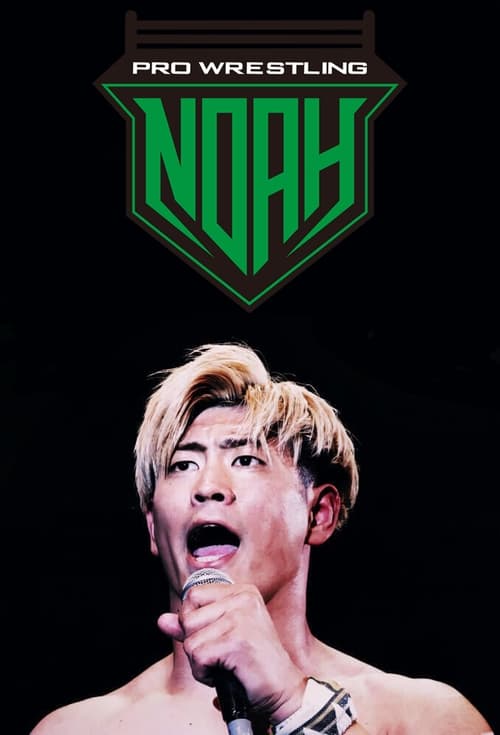
was a Japanese professional wrestler and promoter. He is primarily known for his time in All Japan Pro Wrestling (AJPW), and also for forming the Pro Wrestling Noah promotion in 2000. In the early 1990s, Misawa gained fame alongside Toshiaki Kawada, Kenta Kobashi, and Akira Taue, who came to be nicknamed AJPW's "Four Pillars of Heaven", and whose matches developed the ōdō (, "King's Road") style of puroresu and received significant critical acclaim. Despite never working in the United States during the 1990s, Misawa had a significant stylistic influence upon independent wrestling, through the popularity of his work among tape-traders worldwide including the United States, the United Kingdom, Canada and Australia.
Debuting in 1981, Misawa became the second incarnation of the Tiger Mask gimmick in 1984, which he wrestled as, through to the decade's end. After the departure of Genichiro Tenryu, Misawa unmasked mid-match in May 1990 and began a rivalry with company ace Jumbo Tsuruta. Misawa's victory over Tsuruta on June 8, 1990, led AJPW to sell out every Tokyo event they held into early 1996, and as Tsuruta receded from the main event due to hepatitis, Misawa was cemented as AJPW's ace when he won the Triple Crown Heavyweight Championship from Stan Hansen in August 1992 and held it for the longest reign in the title's history. Misawa remained atop the company throughout the 1990s, and following the death of president Giant Baba in 1999, Misawa inherited his position, but conflicts with widow and majority shareholder Motoko Baba led to his removal in May 2000. After this, Misawa led a mass exodus of the promotion's talent to form Noah. Noah was successful in the first half of the decade, but as business declined and top star Kobashi left in 2006 for cancer treatment, Misawa continued to work a full-time schedule, despite mounting injuries, for the company's survival. On June 13, 2009, during a tag match in Hiroshima with Go Shiozaki against Akitoshi Saito and Bison Smith, Misawa accidentally died after a botched belly-to-back suplex from Saito; his death was attributed to his numerous injuries that he had received for years before his death.
Misawa is regarded by some as the greatest professional wrestler of all time. The physical demands and consequences of the style in which he worked and the circumstances of his death, however, have made his legacy, or at least that of ōdō, somewhat problematic.
From Wikipedia (CC BY-SA 4.0).