Overview
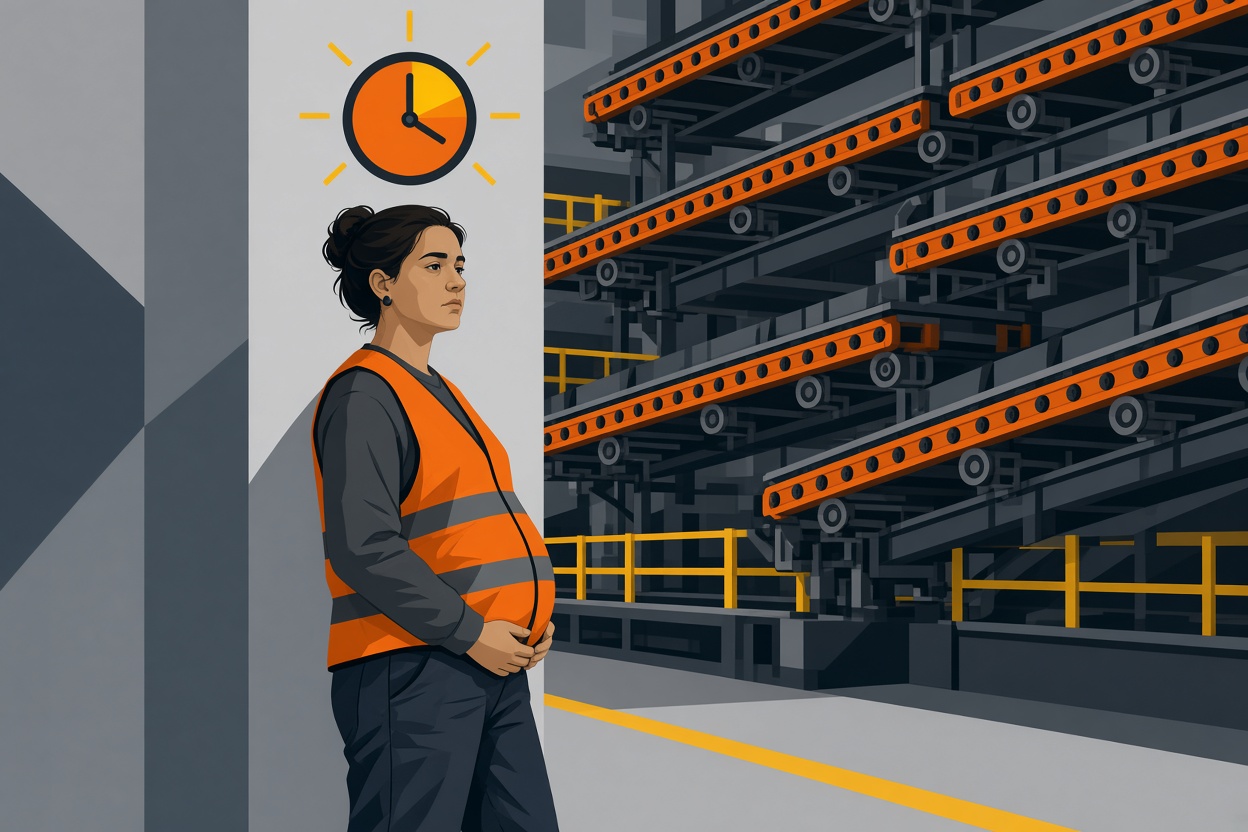
The Pregnant Workers Fairness Act is a United States law meant to eliminate discrimination and ensure workplace accommodations for workers with known limitations related to pregnancy, childbirth, or a related medical condition. It applies to employers having fifteen or more employees. Originally a stand-alone bill first introduced in 2012, the bill was included as Division II of the Consolidated Appropriations Act, 2023, which was passed by Congress on December 27, 2022, and signed by President Joe Biden on December 29, 2022. The bill went into force on June 27, 2023.
Background
The Pregnant Workers Fairness Act was first introduced in the House of Representatives on May 8, 2012, by Rep. Jerry Nadler (D-NY) following the publication of a January 2012 New York Times op-ed, “Pregnant, and Pushed Out of a Job.”
In 2014, the Senate Health, Education, Labor, and Pensions Committee held a hearing, “Economic Security for Working Women: A Roundtable Discussion,” in which several witnesses discussed the need for the Pregnant Workers Fairness Act. In 2019 the House of Representatives Education & Labor Committee held the first-ever dedicated hearing on the Pregnant Workers Fairness Act entitled “Long Over Due: Exploring the Pregnant Workers Fairness Act.” Witnesses included Congressman Jerry Nadler, Michelle Durham, an Alabama mother who was denied pregnancy accommodations, Iris Wilbur, then-Vice President of Greater Louisville Inc., Dina Bakst, Co-Founder & Co-President of A Better Balance, and Ellen McLaughlin, a partner at Seyfarth Shaw LLP.
In September 2020, the bill passed the House of Representatives by a vote of 329-73. In March 2021, the House of Representatives Education & Labor Committee held a hearing entitled “Fighting for Fairness: Examining Legislation to Confront Workplace Discrimination,” with a focus on the Pregnant Workers Fairness Act, among other pieces of workplace legislation. In May 2021, the House of Representatives voted to pass the bill by a vote of 315-101. In August 2021, the Senate Health, Education, Labor, and Pensions Committee voted to pass the bill out of Committee by a vote of 19-2.
From Wikipedia (CC BY-SA 4.0).