Filming
The cast and crew departed for Calgary in late June 1953. From there, they traveled by special train to the Banff Springs Hotel, which served as their base during the Canadian filming.
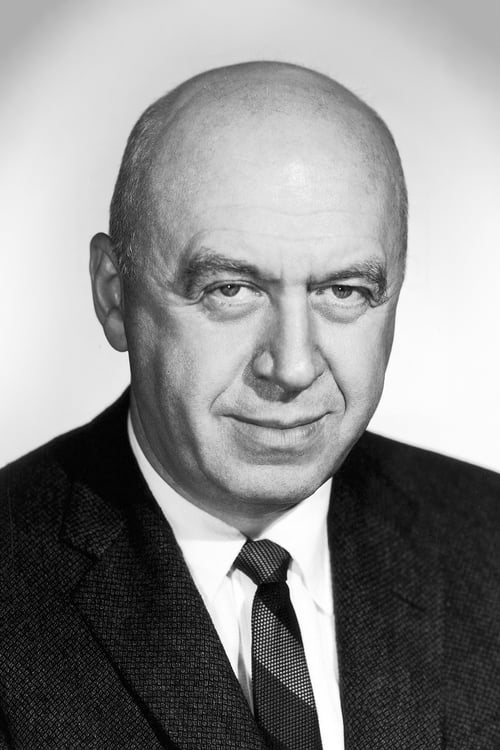
Monroe was accompanied by Natasha Lytess, her acting coach. Preminger clashed with the coach from the very start. She insisted on taking her client aside and giving her direction contrary to that of Preminger's, and she had the actress enunciating each syllable of every word of dialogue with exaggerated emphasis. Preminger called Rubin in Los Angeles and insisted Lytess be banned from the set, but when the producer complied with his demand, Monroe called Zanuck directly and asserted she could not continue unless Lytess returned. Zanuck commiserated with Preminger, but feeling Monroe was a major box-office draw he could not afford to upset, he reinstated Lytess. Angered by the decision, Preminger directed his rage at Monroe for the rest of the production.
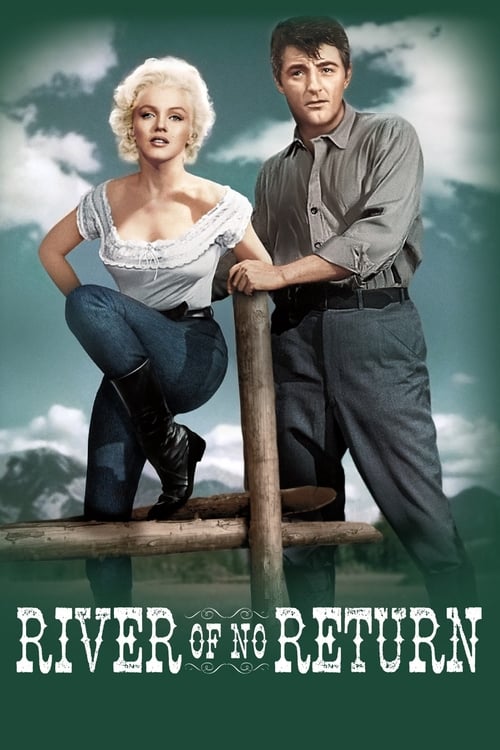
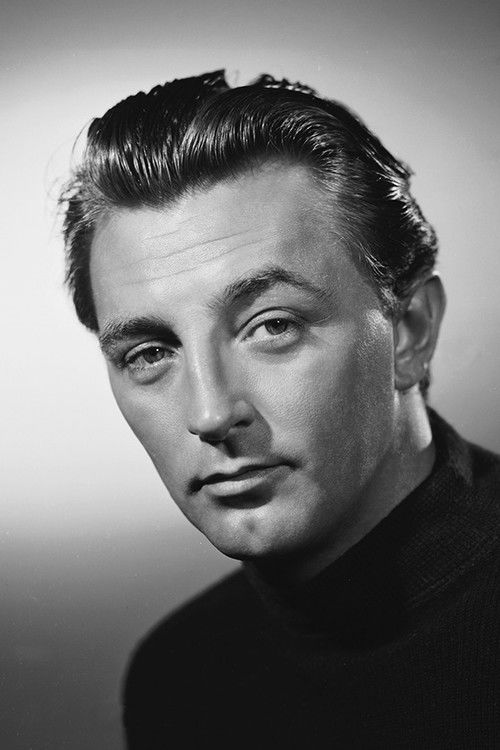
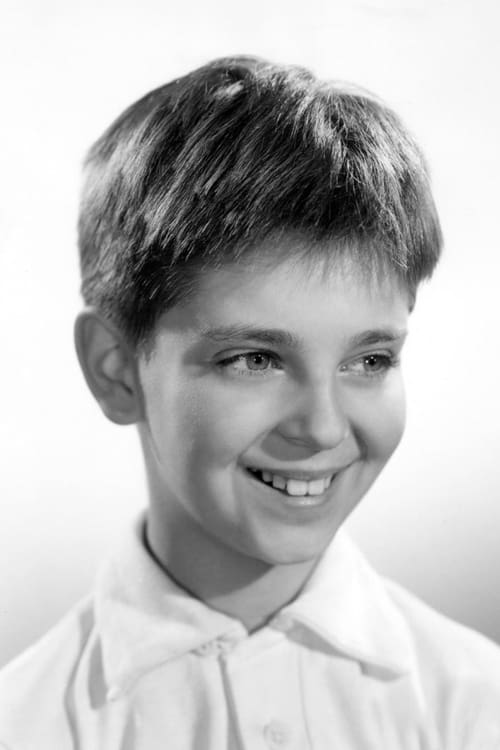
During the difficult shoot, Preminger also had to contend with frequent rain, Mitchum's heavy drinking, and an injury to Monroe's ankle that kept her off the set for several days and ultimately put her in a cast. Monroe nearly drowned while filming. She had donned chest-high hip waders during rehearsal to protect her costume. She slipped on a rock, the waders filled with water, and she was unable to rise. Mitchum and others jumped in the river to rescue her, but her ankle was sprained as a result. Young Tommy Rettig seemed to be the director's sole source of solace. He respected Rettig's professionalism and appreciated the rapport he developed with Monroe, which often helped keep her on an even keel. When Lytess began to interfere with Rettig's performance, thereby undermining his confidence, Preminger let the cast and crew know about her behavior and was delighted to find they finally began to support him in his efforts to remove her from the set.
In early September, filming shifted to Los Angeles for interior scenes and close-ups for a river sequence. The latter was filmed in a tank, whereas stunt doubles were used in the long shots filmed on location in Idaho in the actual River of No Return, the Salmon River. Monroe was on crutches, and Preminger had to work around her as much as possible. Despite frequent disagreements with Rubin, Preminger completed the film on September 29, on schedule and within the budget.
This movie was the first to be filmed in CinemaScope in Canada. River of No Return was the first film released by 20th Century-Fox to feature the "CinemaScope Extension" fanfare before the opening credits. Written by Alfred Newman, it is a rerecording of his original 1933 fanfare, with the extra few bars that play under the credit "20th Century-Fox presents A CinemaScope Production". After Fox switched to Panavision in 1967, they went back to their old fanfare, so the extension fanfare was not used again until it was revived by George Lucas to play before the opening credits to Star Wars. This time, those few extra bars played under the credit "A Lucasfilm Production". Since then, it has been re-recorded a few times, but remains to this day the introduction to every film released by that studio.
Veteran circus animal trainer Pat Anthony stood in for Robert Mitchum's character for the cougar attack scene.