2003–2018: Prominence
In 2003, Song played a leading role as Park Doo-man, an incompetent rural detective, in another critically acclaimed hit, Memories of Murder, from young director Bong Joon-ho. It was the first of several critically acclaimed movies they would make together, with commentators describing Bong's relationship with Song as a "great actor-director collaboration". With it, Song swept the best actor awards at various awards ceremonies, including the 40th Grand Bell Awards in 2003, establishing himself as the best actor in the Korean film industry in the early 2000s.
In 2004, Song starred in The President's Barber by debut director Im Chan-sang, which imagines the life of South Korean president Park Chung Hee's personal barber. The following year he also took the lead in Antarctic Journal, a big-budget project by debut director Yim Pil-sung about an expedition in Antarctica that performed weakly at the box office.
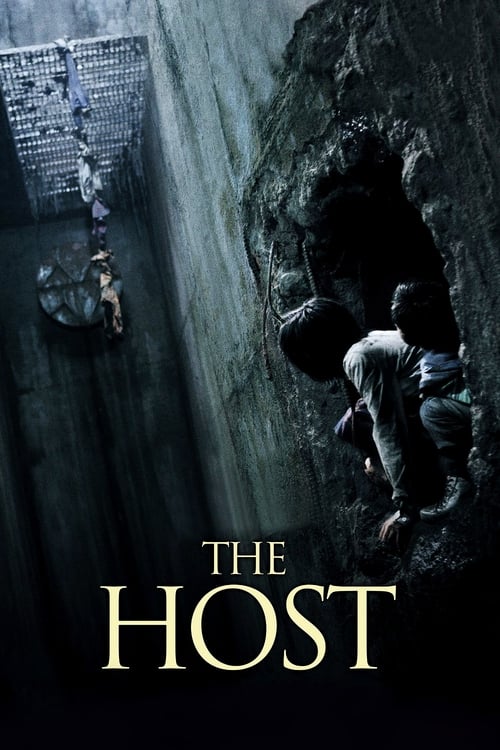
In 2006, through director Bong Joon-ho's film The Host, Song rose to the ranks of 10 million actors. The film helped to broaden international awareness of Song's talent, and in March 2007 he was named Best Actor at the inaugural Asian Film Awards in Hong Kong. More high-profile projects followed: The Show Must Go On saw him star as an aging gangster, for which he received a Blue Dragon Film Award for best actor.
Song starred opposite Jeon Do-yeon in Lee Chang-dong's film Secret Sunshine (2007), as a local mechanic in Miryang Kim Jong-chan and won Best Actor at the 6th Korean Film Awards,10th Director's Cut Awards, and Palm Springs International Film Festival. Jeon Do-yeon won the Prix d'interprétation féminine (Best Actress) at the 2007 Cannes Film Festival, making her the first Korean ever to receive an acting award at Cannes Film Festival.
In 2008, Song acted in Kim Jee-woon's western film set in 1930s Japanese-occupied Manchuria, The Good, the Bad, the Weird. The film showcased an ensemble of stars with Lee Byung-hun as "the bad", Jung Woo-sung as "the good" and Song as "the weird". The film earned US$128,486 in North America and US$44,132,723 in other territories, bringing the worldwide gross to US$44,261,209. It was the second highest grossing Korean film in 2008 after Scandal Makers, beating The Chaser and it is one of the highest-grossing films of all time in South Korea which attracted 6.68 million viewers.
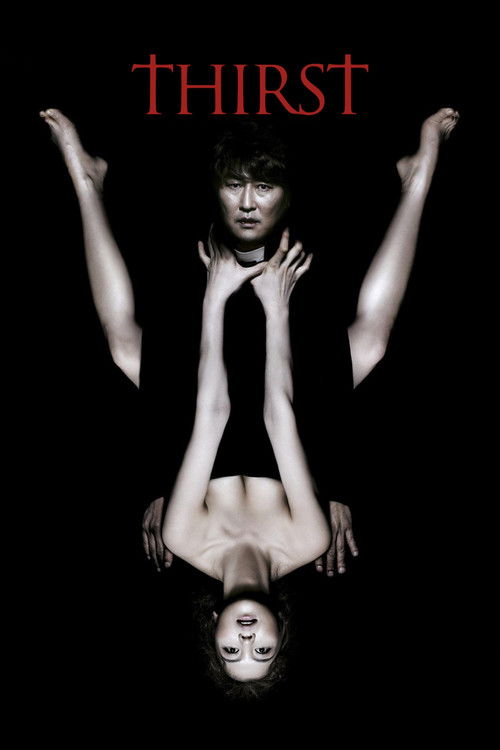
In 2009, Song acted in Park Chan-wook's vampire film Thirst, opposite Kim Ok-vin. Song notably appeared full frontally nude in this film. In the same year, Song acted as North Korean spy Ji-won in spy thriller Secret Reunion. A shootout in the middle of the city brings together Ji-won and National Intelligence Service agent Lee. The operation to capture an assassin spy known as 'Shadow' ends in disaster and the agent Lee is dismissed from his post. Ji-won is also abandoned by his organization after being framed as a traitor.
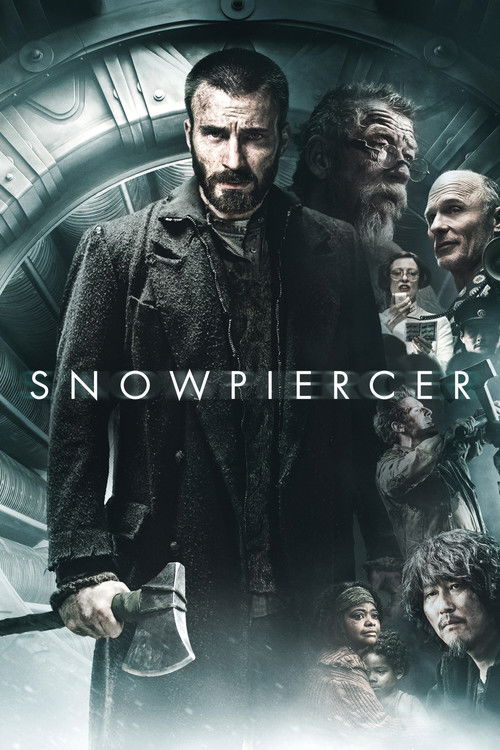
Two 2012 films, the gangster love story Hindsight, and the suspense film Howling, were considered as Song's box office slump. However, in 2013, Song made a splendid resurrection by becoming an actor of 20 million through three films in which he appeared. Starting the English-language dystopian blockbuster Snowpiercer with 9.35 million viewers. The period drama The Face Reader, where Song acted as Nae-kyeong, the greatest face reader of Joseon, who can see through people by looking at their faces, reached 9.13 million viewers. The Attorney which was inspired by Roh Moo-hyun's early days as a human rights Lawyer, was breaking records, surpassing 10 million viewers only within 32 days, the shortest time ever.
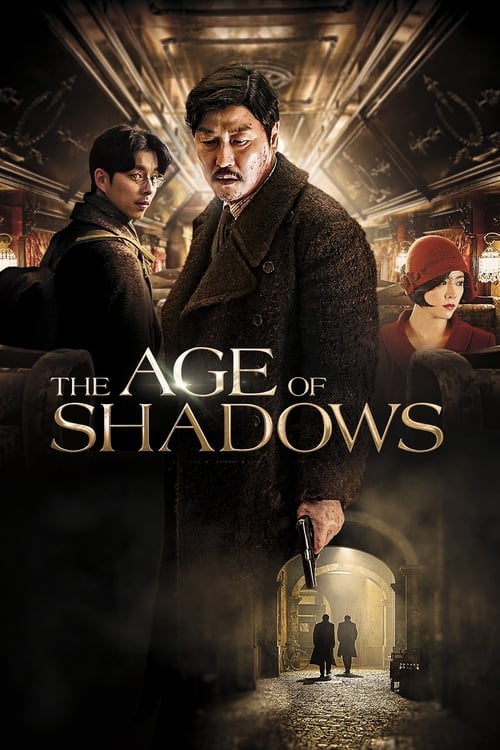
Song continued to star in a number of critically acclaimed films, including Lee Joon-ik's period film The Throne. Song played as King Yeongjo, the Korean ruler who infamously had his belligerent son, the Crown Prince Sado (played by Yoo Ah-in), suffocated to death in a large wooden chest filled with rice. Later, Song reunited with director Kim Jee-woon after eight years in the period action film The Age of Shadows. Song won Best Actor in 53rd Baeksang Arts Awards for his role as Lee Jung-chool, a Korean police captain that has been charged by the Japanese colonial government with rooting out members of the country's resistance movement. The success of the film in reaching over the 7.4 million viewers mark, made Song the first leading actor in Korean cinema to record over 100 million admissions throughout the course of his career.
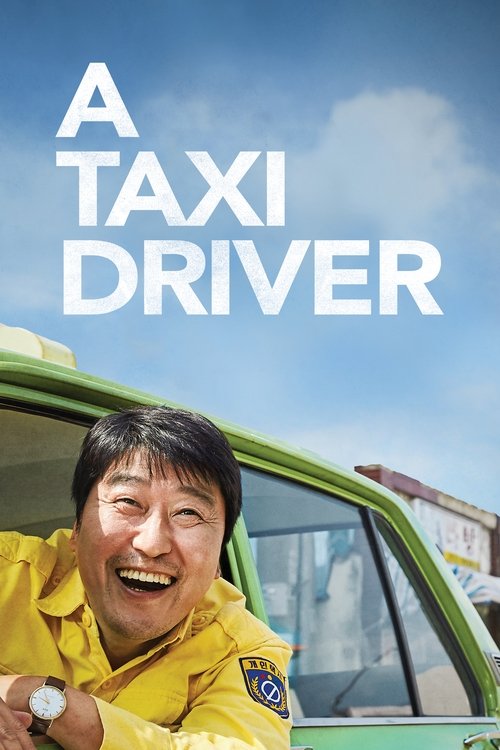
In 2016, Song starred in the film A Taxi Driver, as Kim Man-seob, a widowed taxi driver. The film centers on a taxi driver from Seoul who unintentionally becomes involved in the events of the Gwangju Uprising in 1980. It is based on a real-life story of German journalist Jürgen Hinzpeter's interactions with driver Kim Sa-bok. The film was released on 2 August 2017, in South Korea. On the same day, the film had its international premiere at the Fantasia International Film Festival in Montreal, where Song was awarded as Best Actor for his role in the film.