film director
Cineasta y fotógrafo estadounidense (1928–1999)
Be the first in the room — members see you arrive.
Join the room“The first really important book I read about filmmaking was The Film Technique by Pudovkin. This was some time before I had ever touched a movie camera and it opened my eyes to cutting and montage.”
“When I made my first film, I think the thing was probably helped me the most was that it was such an unusual thing to do in the early 50s for someone who actually go and make a film. People thought it was impossible. It really is terribly easy. All anybody needs is a camera, a tape recorder, and some imagination.”
“You sit at the board and suddenly your heart leaps. Your hand trembles to pick up the piece and move it. But what chess teaches you is that you must sit there calmly and think about whether it’s really a good idea and whether there are other, better ideas.”
“Anyone who has ever been privileged to direct a film also knows that, although it can be like trying to write War and Peace in a bumper car in an amusement park, when you finally get it right, there are not many joys in life that can equal the feeling.”
“Think [Schindler's List] was about the Holocaust?... That was about success, wasn’t it? The Holocaust is about six million people who get killed. ‘'Schindler’s List’' is about 600 who don’t. Anything else?”
“Is it good or bad? Is it necessary? Can I get rid of it? Does it work?”
Quotes via Wikiquote (CC BY-SA), each with its original source.
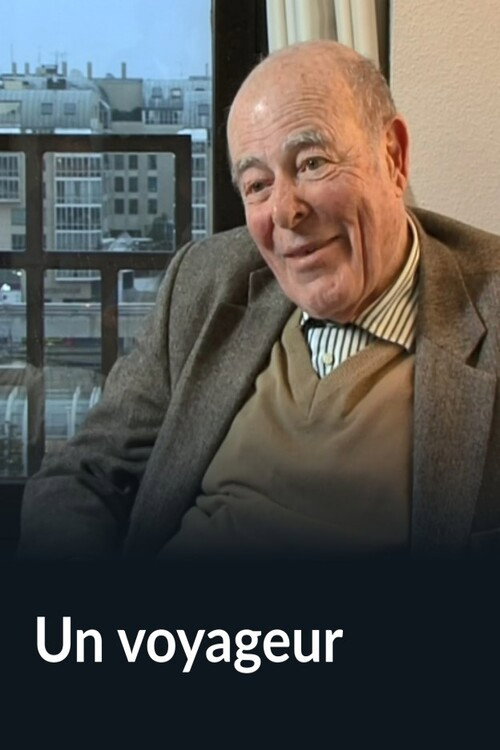
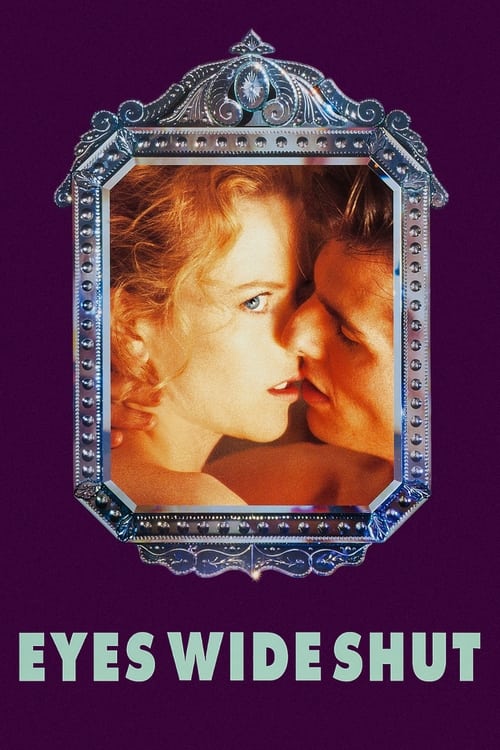
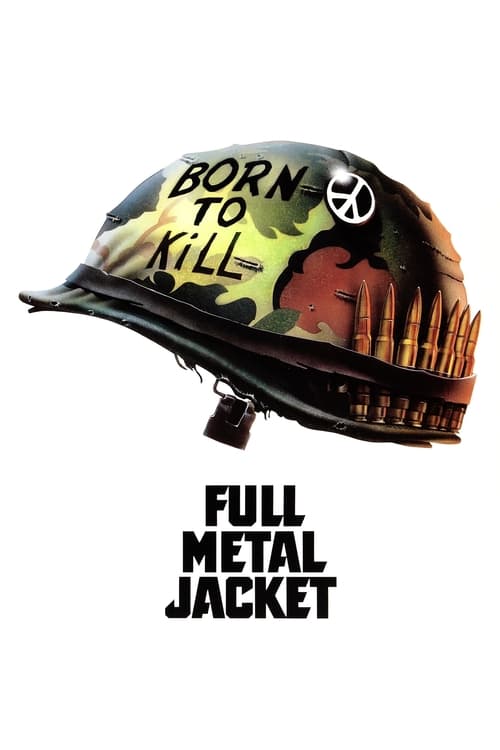
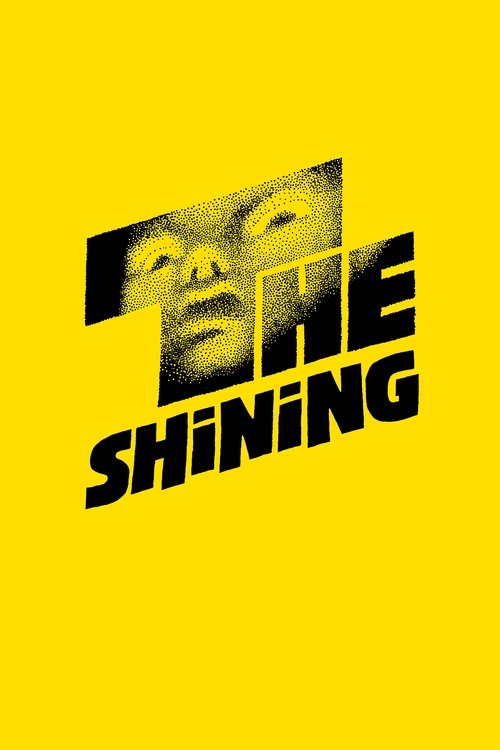
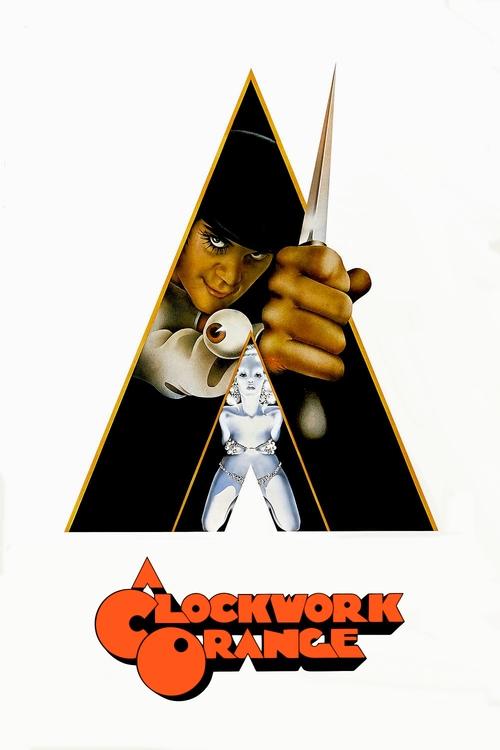
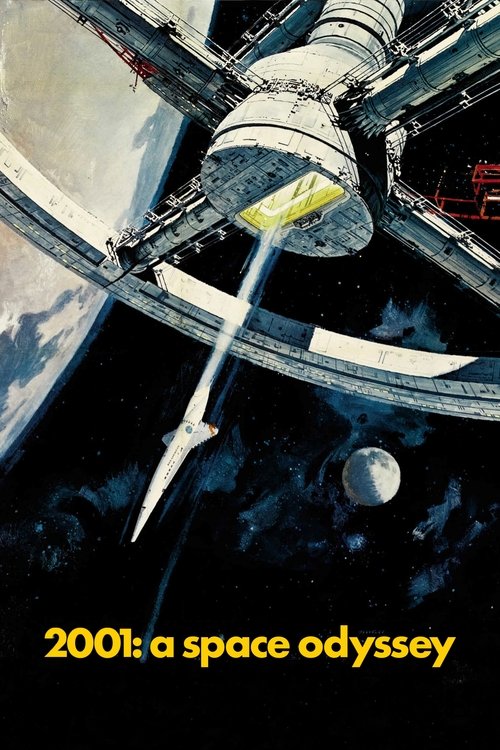
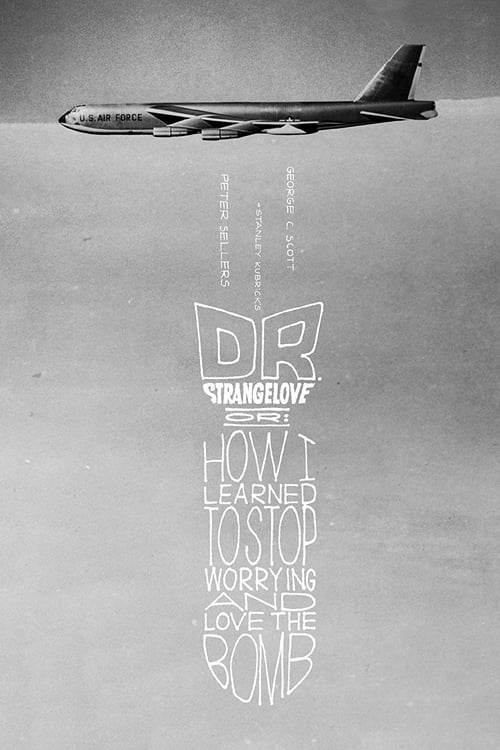
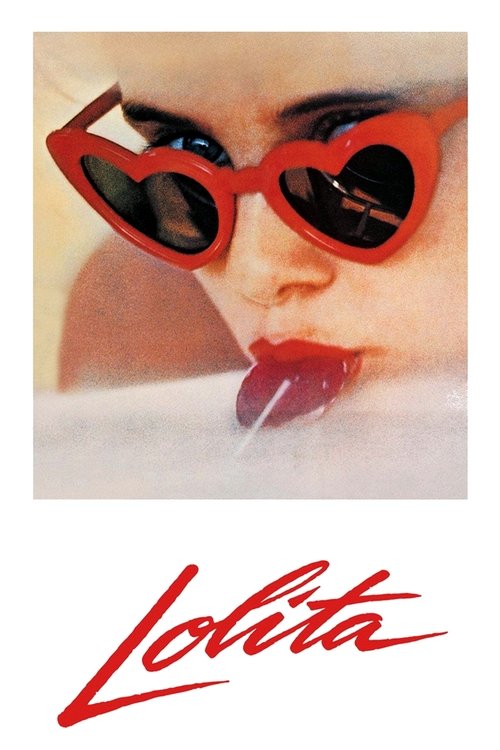
Stanley Kubrick fue un cineasta y fotógrafo estadounidense. Una figura destacada de la era del Nuevo Hollywood, Kubrick es considerado uno de los cineastas más grandes e influyentes. Sus películas abarcaron una serie de géneros y obtuvieron reconocimiento por su atención al detalle, cinematografía innovadora, diseño de escenarios extenso y humor negro.