


Overview
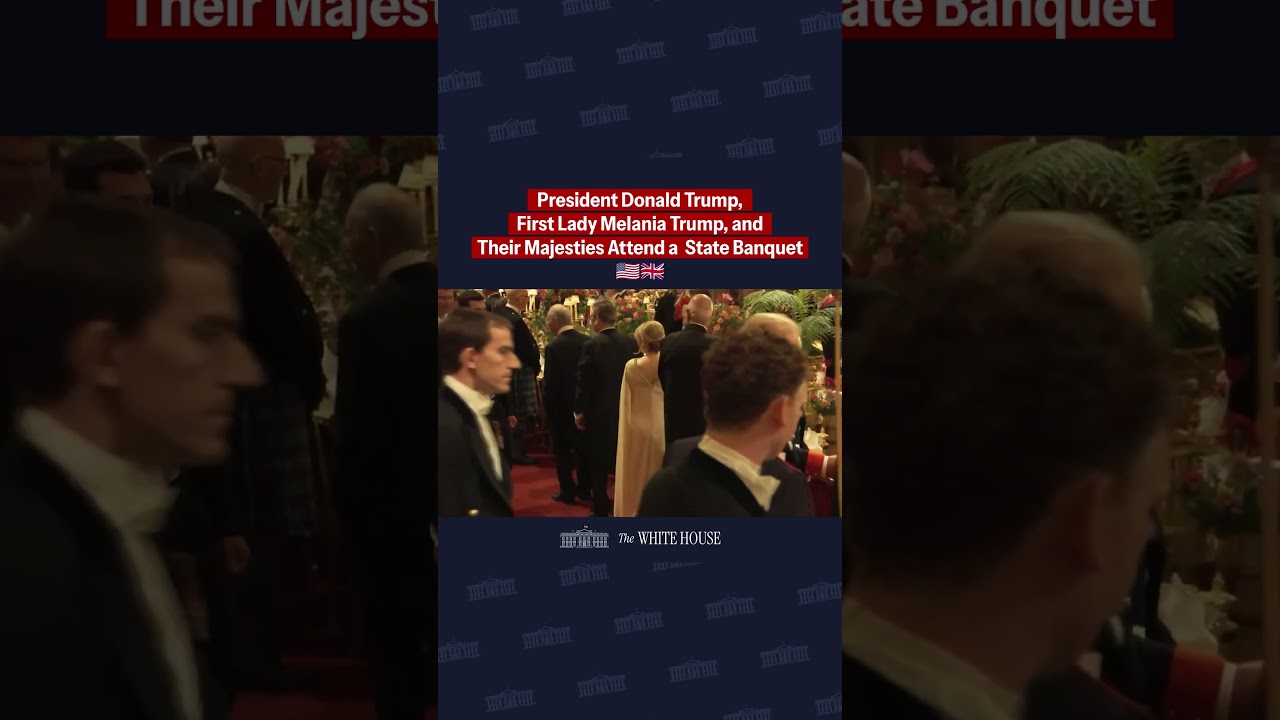
A state banquet is an official banquet hosted by the head of state in his or her official residence for another head of state, or sometimes head of government, and other guests. Usually as part of a state visit or diplomatic conference, it is held to celebrate diplomatic ties between the host and guest countries. Depending on time of the day, it may be referred to as a state dinner or state lunch. The size varies, but the numbers of diners may run into the hundreds.
In the Western world, state banquet protocol traditionally prescribe formal wear (white tie or morning dress) events that comprise military honor guards, a four- or five-course meal, musical entertainment, and ballroom dancing. There are normally short speeches and toasts made by the host and principal guest.
History
Several centuries ago the difficulties of travel and concerns over security made encounters between reigning monarchs, the main type of head of state, much less frequent, and if they took place at a place with sufficient facilities they were generally celebrated with an especially lavish feast in the prevailing style. The Banquet of the Five Kings in London in 1363 was an exceptional event, bringing together the kings of England, Scotland, France, Denmark and Cyprus. As at lesser dinners at court, the number of diners was often large, but the most important sat at a separate table, very often raised on a dais as a high table, and probably ate different food. Many state banquets celebrated royal weddings, which often had a foreign princess as the bride, and were major diplomatic events. The coronation feast was also especially lavish. During the Renaissance Italy tended to set the style for the rest of Europe, but when the format began to become standard in Europe during the Baroque era, it was the French court of Louis XIV that set the standards in most respects.
From Wikipedia (CC BY-SA 4.0).