Production
The film's working title was Lion of Sparta.
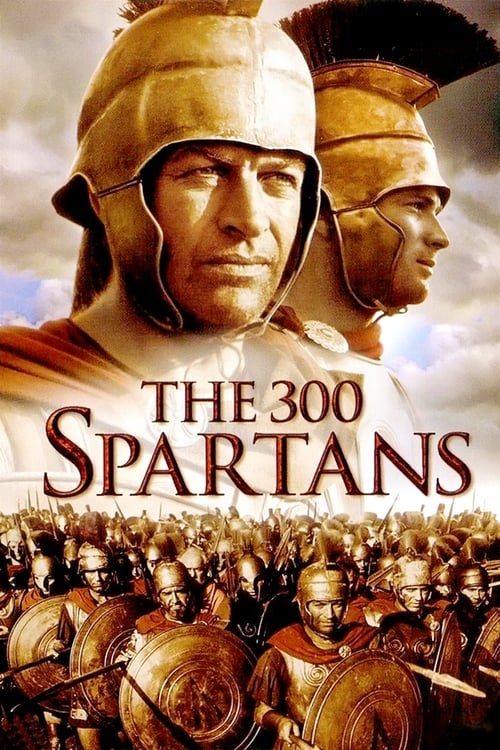
The 300 Spartans was filmed on location in Greece, with the support of the Greek government and army. Hundreds of Greek soldiers were employed as extras to stage the large-scale battle scenes at Thermopylae. The production was a collaboration between 20th Century-Fox and local Greek authorities, reflecting the broader trend of American studios outsourcing production overseas during the decline of the classical Hollywood studio system.
The battle scenes were shot around Vouliagmenis Lagoon (north of Loutraki and the Corinth Canal and west of the village of Perachora; northwest of Athens), not to be confused with the much smaller Lake Vouliagmeni, due south of Athens. The northern Corinthian site doubled as Thermopylae and the surrounding areas, as it had become impossible to shoot at the actual location in Thermopylae. After 2,500 years of receding coastline, the strait where the actual battle was fought in 480 BC had converted into a broad coastal plain facing the Malian Gulf, adding about 3.5 km of dry land to the coastline by the mid-20th century.
The Greek Defense Ministry made as many as 5,000 members of the Hellenic Army available for a prenegotiated fee. However, budgetary constraints reduced the numbers to only two battalions (about 1,100 men). The largest establishing scenes of the Persian army entering Greece used many of these soldiers, together with a combined total of several hundred civilian extras, horses, cattle, ox carts, and chariots. For the wider establishing scenes of the battle, one battalion was retained to play both Greeks (about 450 soldier extras) and Persians (about 650 soldiers). For closer compositions, military extras were employed by smaller units according to each day's shooting schedule. Director of photography Geoffrey Unsworth used tree groves, which lined the coastal plain aside the lagoon, to hide the obvious deficiency in the number of troops that would have been amassed on the Persian side of the battle line.
Originally developed as an Italian sword-and-sandal project, the cooperation of the Greek government allowed the producers to complete the production on a budget of 500,000 GBP (equivalent to £9,332,242 in 2025) or around US$1,350,000 (equivalent to $14,368,812 in 2025), roughly twice the amount of contemporary Italian peplum films.
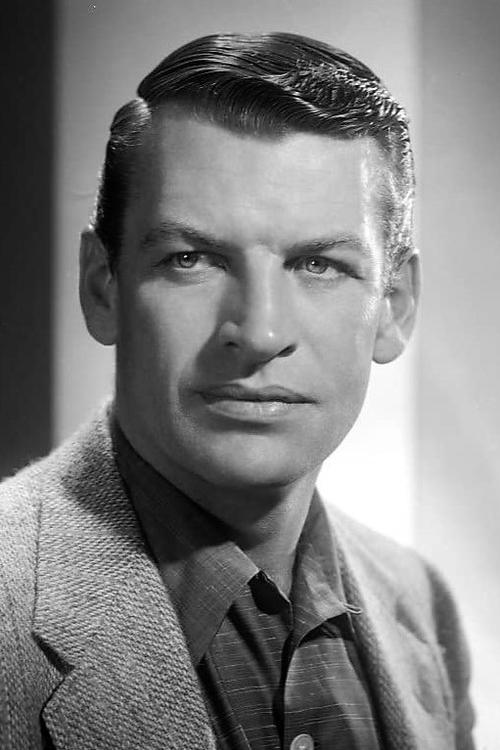
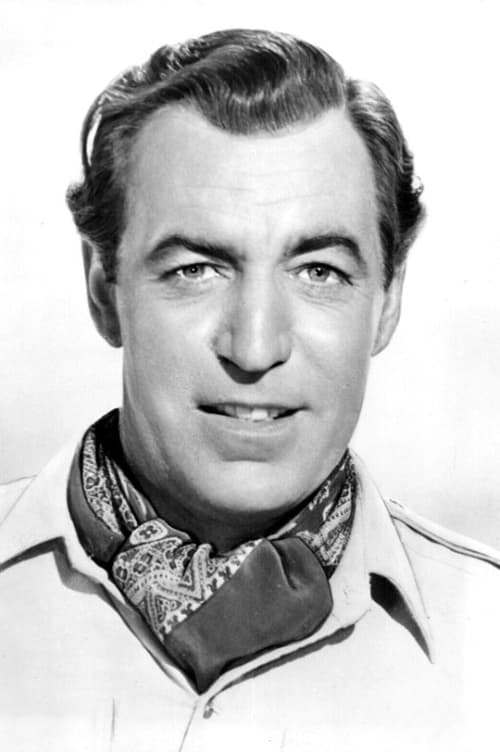
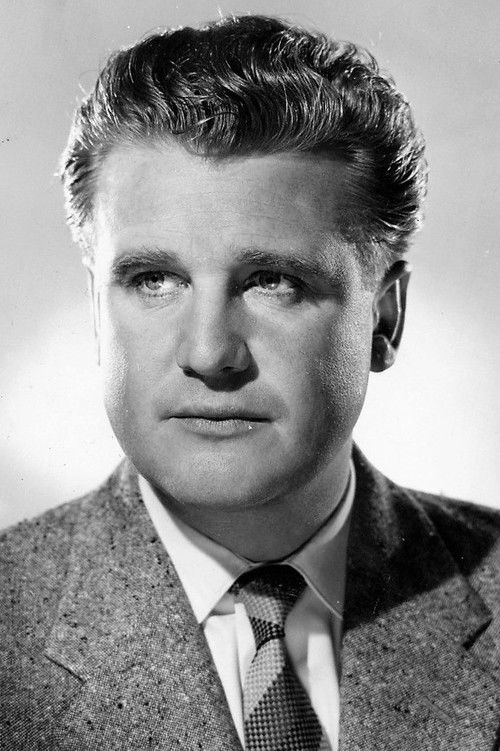
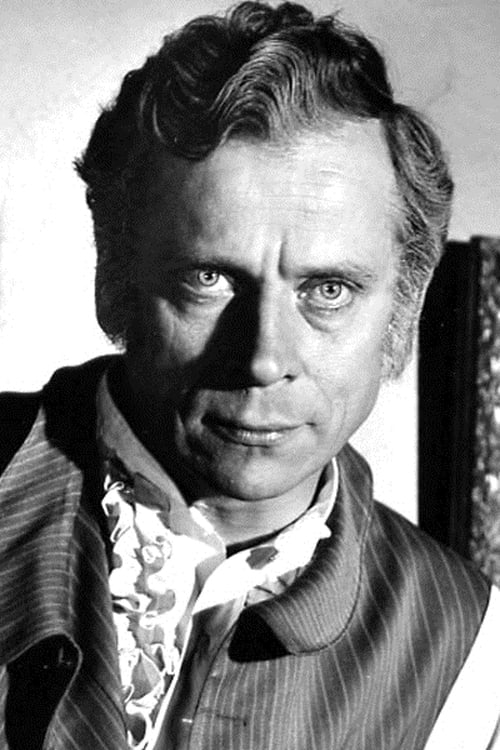
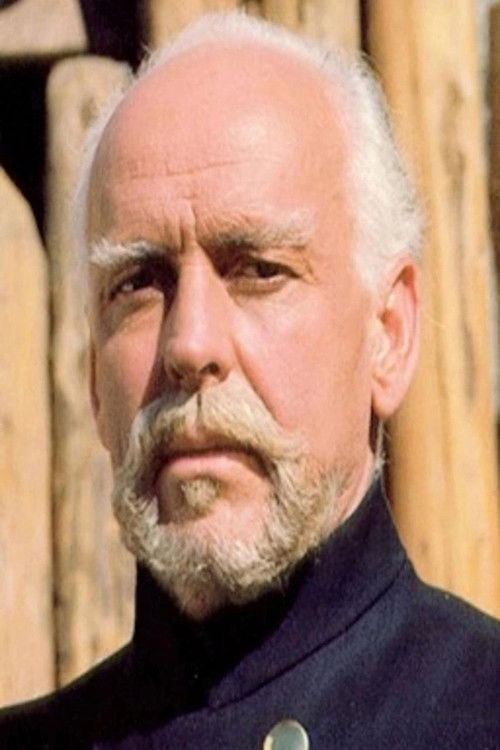
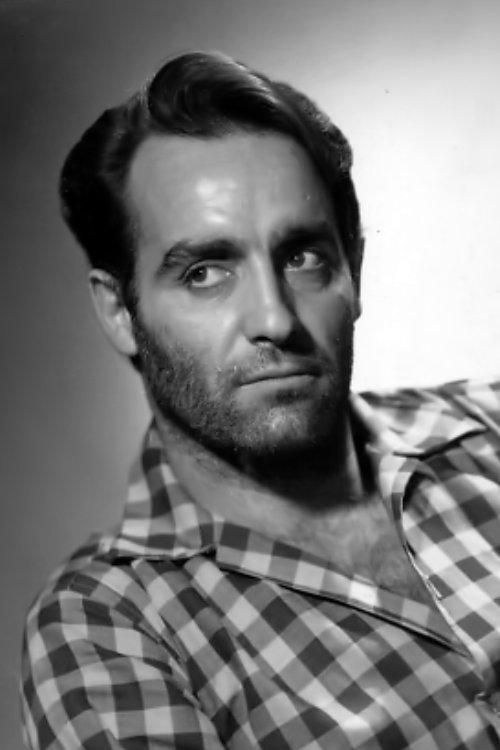
The 300 Spartans was the last film of Richard Egan's seven-year contract with 20th Century Fox. It was also the last film appearance of David Farrar, who retired from acting.