Rape allegations against Parker
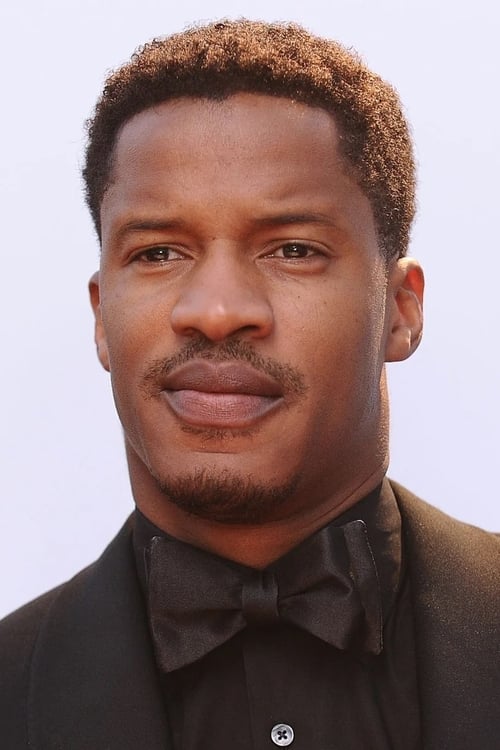
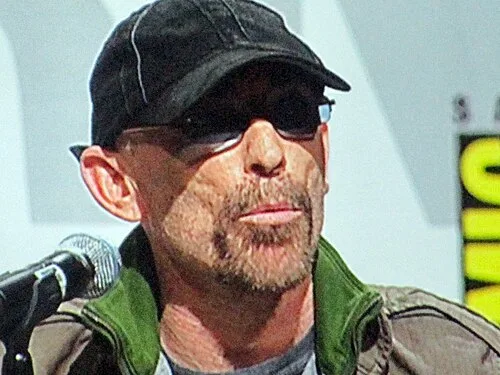
In August 2016, media attention surrounding the film resurfaced 1999 alleged rape charges against Nate Parker and co-writer Jean McGianni Celestin. While students at Pennsylvania State University, Parker and Celestin were accused of raping a female student. The woman went to a doctor, who concluded that she had been sexually assaulted, and local authorities taped a phone conversation between her and Parker in which Parker confirmed that it was he and Celestin who had sex with her. Parker and Celestin denied the accusations and said that the sexual encounter was consensual. Parker was acquitted of all charges in 2001; Celestin was convicted of sexual assault, but the conviction was overturned on appeal in 2005. A subsequent retrial did not take place.
In a formal complaint filed against Penn State in 2002, the woman also stated that she was harassed by Parker and Celestin following her allegation; the harassment allegedly "included Parker and Celestin hiring a private investigator to publicly expose her as the accuser, and continued bullying by Parker and his friends outside buildings where she had class". The university settled the complaint with the woman for $17,500 (~$31,325 in 2025). The woman committed suicide in 2012, with her death certificate noting that she suffered from "major depressive disorder with psychotic features, PTSD due to physical and sexual abuse, polysubstance abuse".
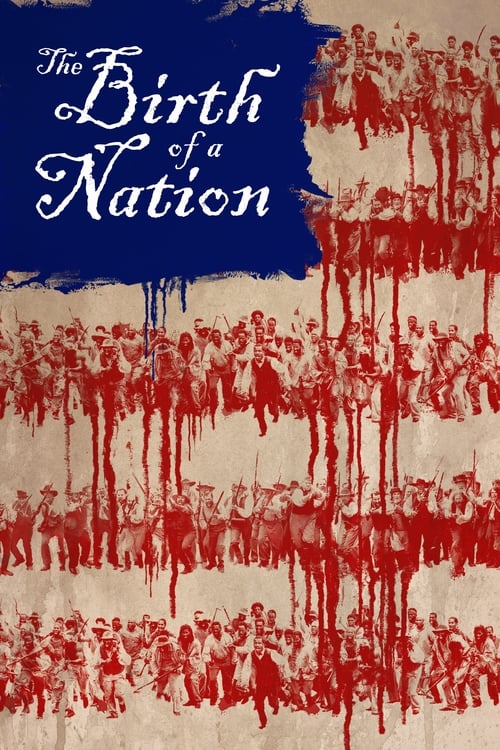
Because The Birth of a Nation attracted increased scrutiny due to possible Oscar nominations, and the film itself depicts a fictional, brutal rape that does not appear in historical records, there was significant press coverage about damage control by Fox Searchlight Pictures, the studio releasing the film. Interviews in Variety and Deadline were a focus, as was Parker's response to the event in an impassioned Facebook post. The studio reportedly took a wait-and-see approach before marketing to church groups, college campuses, and Hollywood figures.
Writing in Variety, the sister of Parker's alleged victim expressed particular distress at the film's imagined rape scene, saying, "I find it creepy and perverse that Parker and Celestin would put a fictional rape at the center of their film, and that Parker would portray himself as a hero avenging that rape. Given what happened to my sister, and how no one was held accountable for it, I find this invention self-serving and sinister, and I take it as a cruel insult to my sister's memory."
Gabrielle Union, a rape survivor and one of the main stars in The Birth of a Nation, wrote in the Los Angeles Times to express her concern over the allegations, particularly the lack of affirmative consent: "Even if she never said 'no', silence certainly does not equal 'yes'. Although it's often difficult to read and understand body language, the fact that some individuals interpret the absence of a 'no' as a 'yes' is problematic at least, criminal at worst."
After having suffered significant negative publicity for his response to the past rape allegation, Parker chose to deflect the questions about his past legal problems while doing press for The Birth of a Nation at the Toronto International Film Festival. Shortly thereafter, Parker and his handlers chose to cut press interviews short when similar questions came up about his involvement with the alleged rape and its impact on the marketing of the film.
In an open letter, former members of the Penn State student body and staff who were present during Celestin and Parker's trial defended both men's innocence of the 1999 accusations. The group made allegations of police intimidation and a hostile racial climate on campus at the time; both Parker and Celestin are black while their accuser was a white female. The group wrote in The Root:
Misinformation suggests that a spiral into depression was triggered by the alleged incident in 1999. However, court records and testimony by medical professionals revealed a history of chronic depression that dated back to childhood and the use of antidepressant medication that preceded this event.
Celebrities who came out in support of Parker included Harry Belafonte, Hal Holbrook, Mel Gibson, Kevin Hart, Harvey Weinstein (who was later embroiled in a sexual assault scandal), Al Sharpton, Anthony Anderson, and Sheryl Underwood.
Holbrook wrote a letter to The New York Times defending Parker and the film. Holbrook praised The Birth of a Nation as "an exceptional piece of artistry and a vital portrait of our American experience in trying to live up to ideals we say we have" and suggested that owing to the film's critique of racism, Parker and his film were being held to a different standard than what Holbrook characterized as other "directors and actors who have rather public indiscretions, and who have in some cases been acquitted of them".