Reception
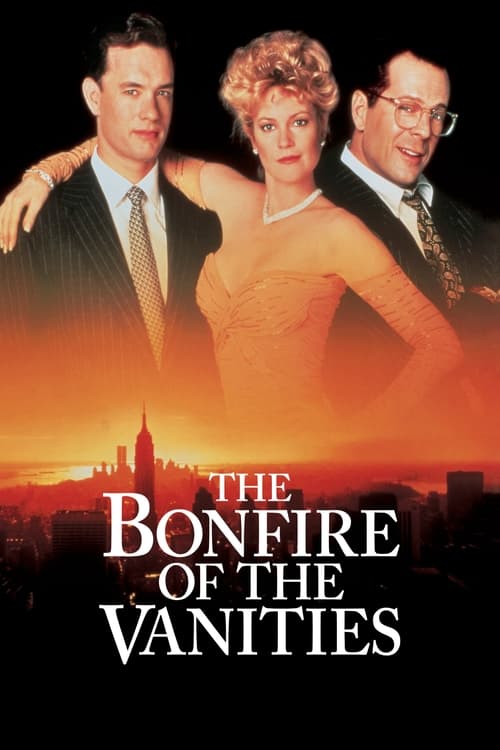
The film itself was a critical and commercial disappointment when it was released. It cost an estimated US$47 million to make, but initially grossed just over US$15 million at the US box office.
Critical reception was largely negative. The film scores a 15% rating on Rotten Tomatoes, based on 54 reviews. The critical consensus reads: "The Bonfire of the Vanities is a vapid adaptation of a thoughtful book, fatally miscast and shorn of the source material's crucial sense of irony. Add it to the pyre of Hollywood's ambitious failures." On Metacritic, it has a weighted average score of 27 out of 100, based on 27 reviews, denoting "generally unfavorable reviews". In Leonard Maltin's annual Movie Guide publication, he gave the film a "BOMB" rating, describing it as an "appallingly heavy-handed 'comedy'". Audiences polled by CinemaScore gave the film an average grade of "C" on an A+ to F scale.
In its review, Variety magazine stated, "the caricatures are so crude and the 'revelations' so unenlightening of the human condition that the satire is about as socially incisive as an entry in the Police Academy series." Vincent Canby of The New York Times denounced "Brian De Palma's gross, unfunny movie adaptation." Owen Gleiberman of Entertainment Weekly called it "one of the most indecently bad movies of the year," giving it a D grade. Rita Kempley of The Washington Post stated "the director has become one with the buffoons Wolfe scored in his bestseller. He has not only filed Wolfe's teeth but stuck his tail between his legs," and called the film "a calamity of miscasting and commercial concessions". In Rolling Stone, Peter Travers wrote, "On film, Bonfire achieves a consistency of ineptitude rare even in this era of over-inflated cinematic air bags." Gene Siskel, in the Chicago Tribune, wrote "preview audiences have hooted the film's revisionist ending, which concludes with a sermon. I didn't hoot because I was too sad. I gave up on the movie well before the ending." In her review for the Los Angeles Times, Sheila Benson called the film, "an overstated, cartooned film for dullards". Steven Rea of The Philadelphia Inquirer wrote, "Big books have been bastardized by Hollywood before – it's a time-honored tradition that counts Hemingway, Faulkner and the scribes of the Old Testament among its victims – but you'd be hard-pressed to find an adaptation that screws up as royally as Brian De Palma's take on The Bonfire of the Vanities. Miscast, misguided and miserably unfunny, Tom Wolfe's black satire about avarice, prejudice and criminal injustice in the loony-toon town of New York has been raped and stripped of all ambiguity and dimension." He ended the review by saying, "What a mess."
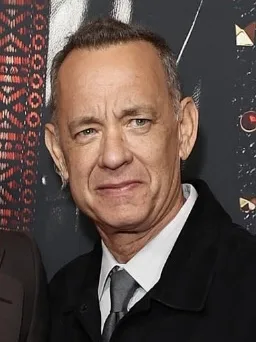
A less hostile review came from Roger Ebert of the Chicago Sun-Times, who ranked the film 2.5 stars out of 4. He felt viewers who did not read the novel might be confused by critical parts of the plot, and suggested Griffith and Freeman offered the best performances while Hanks was simply ineffective in his role. In Ebert's view, the film lacked the psychological depth of Wolfe's novel but "at least it does work well in a certain glossy way."
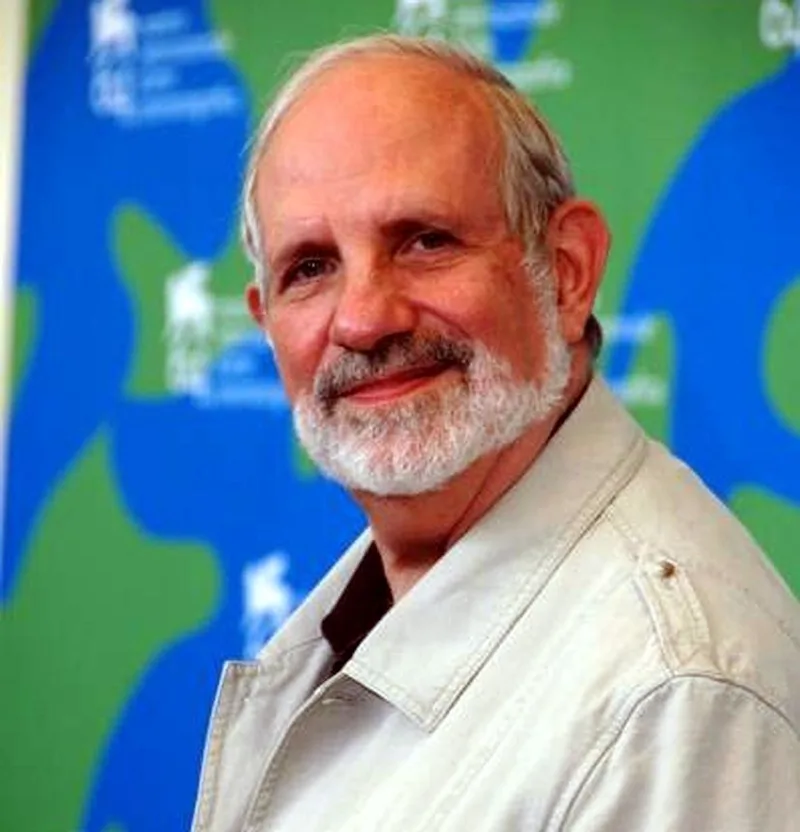
Commenting on the way Wolfe's story was adapted, De Palma said, "The initial concept of it was incorrect. If you're going to do The Bonfire of the Vanities, you would have to make it a lot darker and more cynical, but because it was such an expensive movie, we tried to humanize the Sherman McCoy character – a very unlikable character, much like the character in The Magnificent Ambersons. We could have done that if we'd been making a low-budget movie, but this was a studio movie with Tom Hanks in it. We made a couple of choices that, in retrospect, were wrong. I think John Lithgow would have been a better choice for Sherman McCoy, because he would have got the blue-blood arrogance of the character."
However, De Palma has been quick to downplay the notion that the movie suffered because of studio interference: "The initial producers, once we had cast Hanks, moved on and went over to Columbia Pictures, so I was sort of left to my own devices and pursued ways in which I thought I could make this movie more commercial and keep some edge of the book... I thought we were going to get away with it, but we didn't. I knew that the people who read the book were going to be extremely unhappy, and I said, 'Well, this is a movie; it isn't the book.' And I think if you look at the movie now, and you don't know anything about the book, and you get it out of the time that it was released, I think you can see it in a whole different way."