




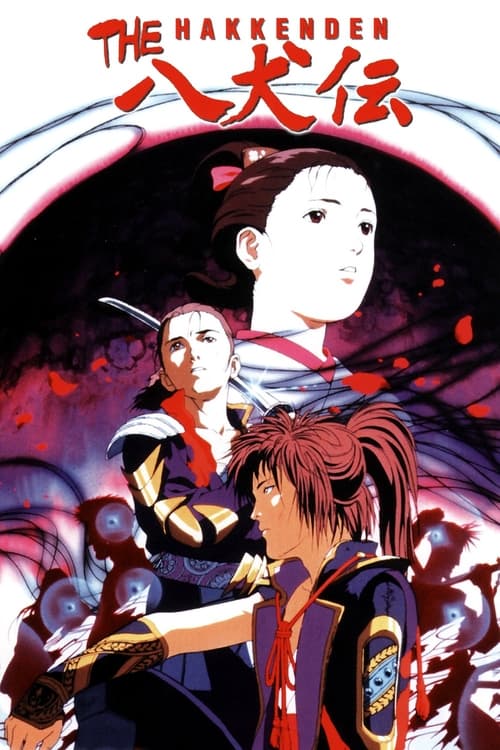
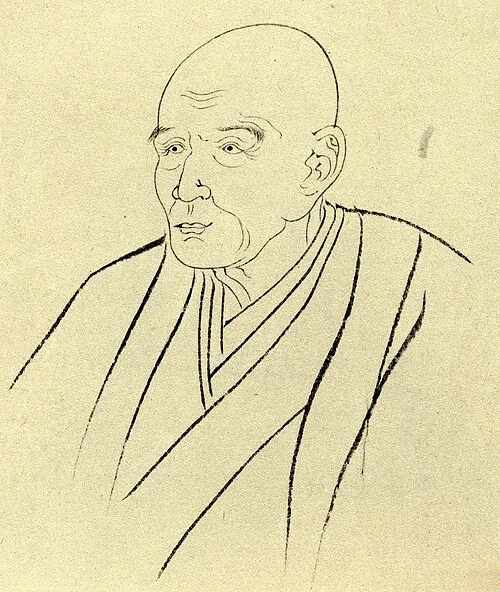









The Hakkenden (THE 八犬伝, Za Hakkenden), also known as The Legend of the Dog Warriors: The Hakkenden, is an OVA series by AIC in two sequences, the second subtitled The Hakkenden: A New Saga (THE 八犬伝 新章, Za Hakkenden Shinshō). The anime is based on the epic novel Nansō Satomi Hakkenden written by Kyokutei Bakin during the latter half of the Edo period. At 106 volumes, the novel bears the distinction of being the longest novel in classic Japanese literature.
The Hakkenden is most known for its unique approach to animation, switching between several distinct visual styles throughout the duration of the series (sometimes even several times within the same episode). In addition, the series is also noted for its heavy use of symbolic imagery and themes, allowing the series to straddle the line between animation and art.
It is also known for introducing a modern perspective to a literary classic, since outdated, morally ambiguous concepts such as feudal loyalty and devotion are closely scrutinized and re-examined during many of the conflicts in the story. "The" at the front of the title is not a formality of translation, but a part of the title written in English, perhaps chosen by the series' writers to deliberately convey that sense of modernity.
Contents
Story
Overview
The story takes place during the beginning of the Sengoku Jidai in Awa, a tiny province that is currently a part of modern-day Chiba Prefecture. Fuse, princess of the Awa-based Satomi clan, spiritually gives birth to eight warriors who are scattered across different areas of the region. Because the spiritual father of these warriors was a demonically possessed dog, these warriors came to be known as the Hakkenshi (八犬士), with hak (八), or hachi, meaning "eight", the ken (犬) meaning "dog", and the shi (士) meaning "warrior". (The word "den" (伝) at the end of the title means "legend", so the title of the series can be translated as "The Legend of the Eight Dogs".)
Throughout the series, each dog warrior recognizes the other through three distinguishing features: a family name starting with the word "inu" (meaning dog), a birthmark in the shape of a peony (the emblem of the Satomi clan) and a bead containing a kanji character that reflects eight of the fundamental virtues of Confucianism. They are:
kō (孝) – filial piety; devotion
gi (義) – duty and obligation, but it can also be translated as righteousness
chū (忠) – loyalty
shin (信) – faith
tei (悌) – brotherhood; brotherly affection
jin (仁) – sympathy and benevolence, but note that, according to Confucianism, "jin" is also the greatest and most perfect virtue of all. It should come as no surprise that the bearer of this bead also happens to be the most powerful warrior of the eight.
chi (知) – wisdom
rei (礼) – courtesy, but this can also be translated as proper form, i.e. an extensive knowledge and proper observation of tradition and manners
Note that this is the order in which the beads appear in the story. The hierarchy of these virtues in order of importance to Confucian philosophy are: jin, gi, rei, chi, chū, shin, kō, tei.
Characters
The Hakkenshi
Throughout the novel, the Hakkenshi undergo numerous changes in class, location, and status, which would often result in a name change. Because of the abridged nature of the OVA series, two characters in particular underwent name changes with little explanation for those unfamiliar with the novel.
Note: each warrior's "given name" contains the kanji character on their corresponding bead. In Shino's case, for instance, the kanji for "taka" in "Moritaka" is also the "kō" on his bead.
Inuzuka Shino Moritaka (犬塚 信乃 戍孝): Toshihiko Seki (Japanese), Ken Kramer (English)- Bears the "kō" bead of filial piety; his birthmark is on his right arm. His father bore the responsibility of returning the Murasame sword to the Ashikaga Shogun, but before doing so, committed seppuku in protest of the local feudal lord, thereby transferring the heavy responsibility onto Shino's shoulders.
Inukawa Sōsuke Yoshitō (犬川 荘助 義任) : Kappei Yamaguchi (Japanese), Matt Hill (English), Kelly Sheridan (English, young)- Bears the "gi" bead of duty; his birthmark is on his left arm. At the age of 7, his father was forced to commit seppuku after criticizing the Ashikaga Shogun, and his mother perished from the cold winter during the resulting pilgrimage from Izu. This left him under the cruel parentage of Hikiroku and Kamezasa, who gave him the undignified name of "Gakuzo" and forced him into indentured servitude to pay back the debt of his mother's funeral.
Inuyama Dōsetsu Tadatomo (犬山 道節 忠與): Koichi Yamadera (Japanese), Michael Dobson (English) – Bears the "chū" bead of loyalty; his birthmark is on his left shoulder. His father was killed by rival lord Uesugi Sadamasa, making him hell-bent on revenge for the sake of his clan. In addition, he is Hamaji's half-brother. His mother was assassinated by Hamaji's biological mother (his father's second concubine), who became jealous due to her inability to bear a male heir. Particularly during the beginning of the series, Dōsetsu is ruthless, selfish, and a reckless loose cannon in the group.
Inukai Genpachi Nobumichi (犬飼 現八 信道): Tomohiro Nishimura (Japanese), Ward Perry (English) – Bears the "shin" bead of faith; his birthmark is on his left cheek, underneath his left eye. The stereotypical "crazed enforcer" of the group, he is introduced as an inmate in the Shogun's prison, most likely jailed for his uncontrollable behavior (or perhaps just his sharp tongue). He is allowed a chance to win back his original post if he is successful in killing Shino. Compared to the plot exposition of most of the other major characters, not much of his origin is revealed or even implied during the series.
Home Media Release
Japanese
On November 25, 1998, the first series was released on DVD.
On January 26, 2005, the first series was re-released on DVD while the second series was released the same day on a separate DVD.
On June 27, 2012, a DVD of the entire series was released by Genon in Japan.
International
Originally, the series was released in English on 7 Laser Discs from August 1995 to July 30, 1996.
On October 9, 2001, Genon [Pioneer] released the series on DVD in English with both subtitles and dub.
In 2007, Genon released 3 DVDs with Japanese and English audio and English subtitles.