Final production (2016–2018)
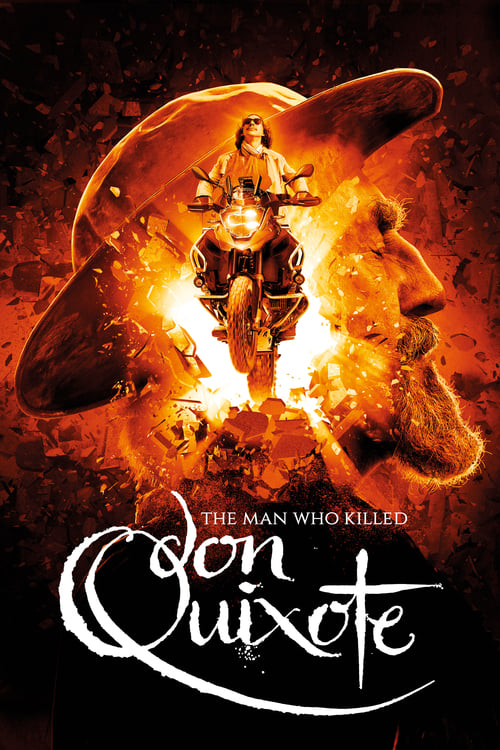
Over the years, Gilliam and Grisoni kept on re-writing The Man Who Killed Don Quixote as they kept on trying to make the film. The most notable change was the removal of the time travelling element central to the original 2000 production; instead of the character of Toby being thrown back through time, the film would instead take place in modern times, with the "period elements" being characters having a party dressed like in the ancient times. Toby would be revisiting a Spanish village he had once filmed a student film in and discover that the shoemaker he had cast in the title role all those years ago has been living as Quixote ever since.
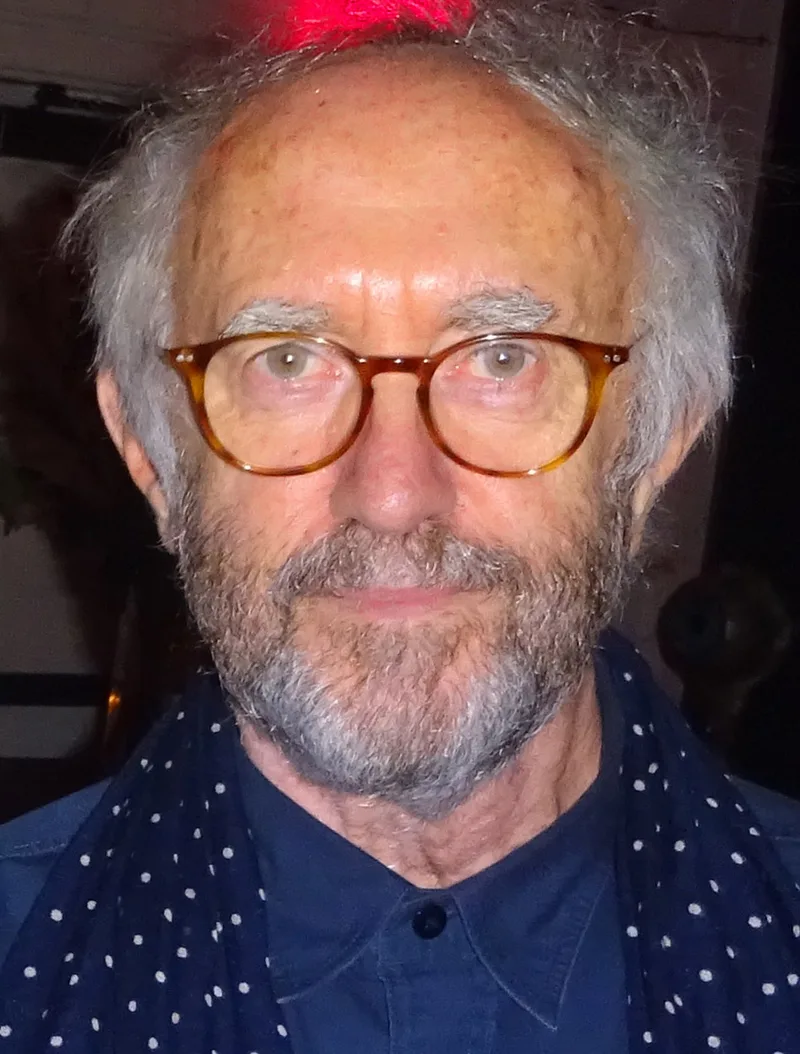
Gilliam stated, "I'm incorporating the idea of the damage that films do to people, so it's become a bit more autobiographical." Jonathan Pryce, who was a part of both the original and final productions, stated, "from what I can remember of the original script, this is an altogether better version. It's a clearer story. Terry's done a lot of rewrites – and he's had a lot of time to do rewrites."
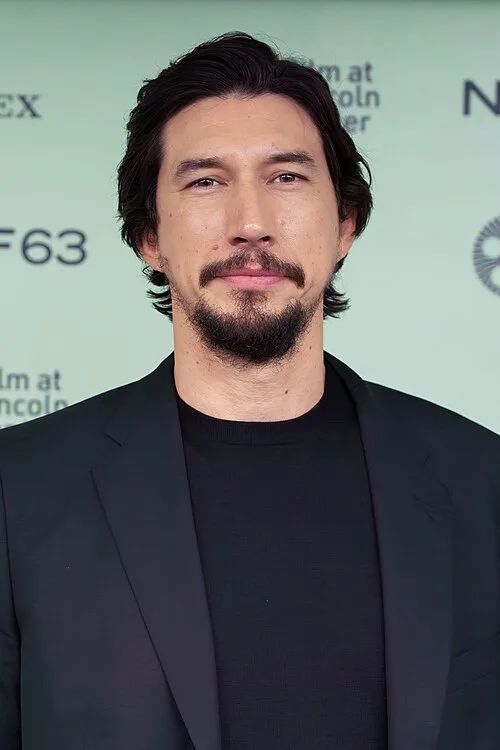
After Gilliam found new producers, he started production once again. Driver and Kurylenko were still attached as Toby and the female lead, with Pryce cast as Don Quixote. Pryce had previously starred in Gilliam's films Brazil (1985), The Adventures of Baron Munchausen (1988), and The Brothers Grimm (2005), and was also cast in the original 2000 production of The Man Who Killed Don Quixote in a different role. Gilliam stated, "Jonathan has been wanting to [play Quixote] for 15 years – he's been making my life a misery. And now he's here and he's just extraordinary. The editor, who is Spanish, says that she can never imagine another Quixote. So it's as if the time was right: everything seemed to be ready to make this thing."
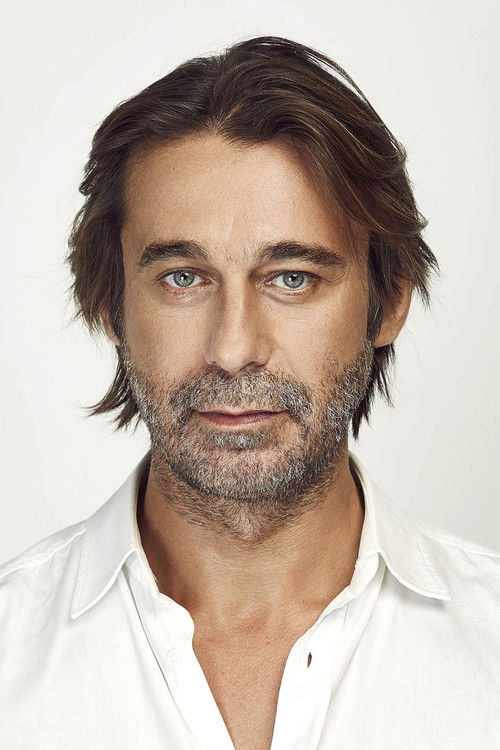
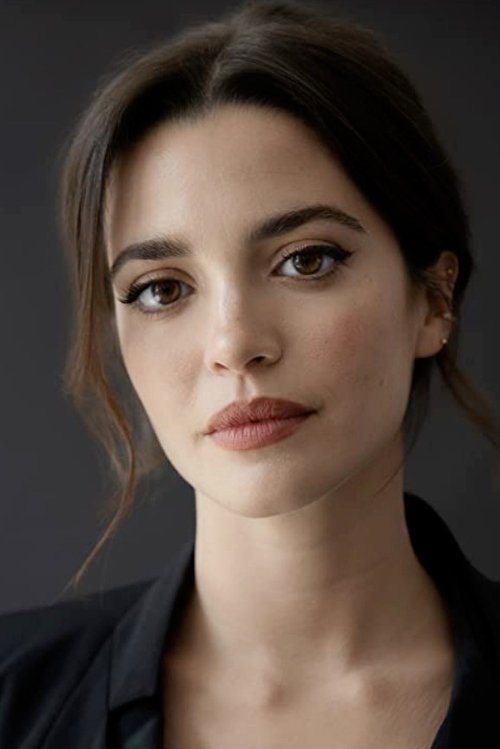
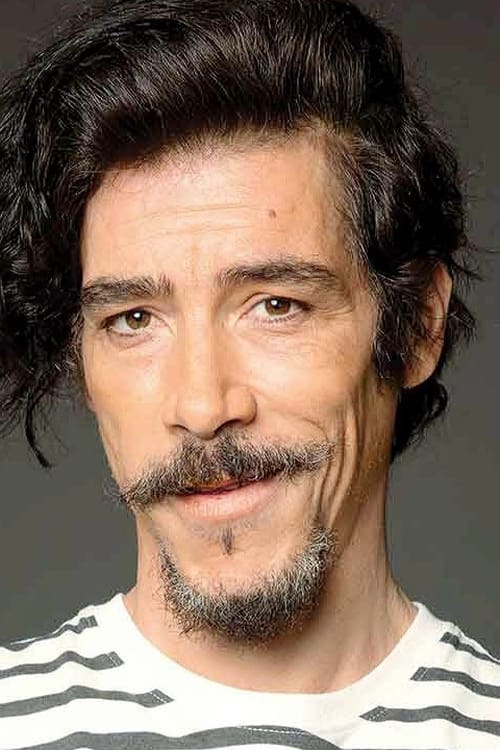
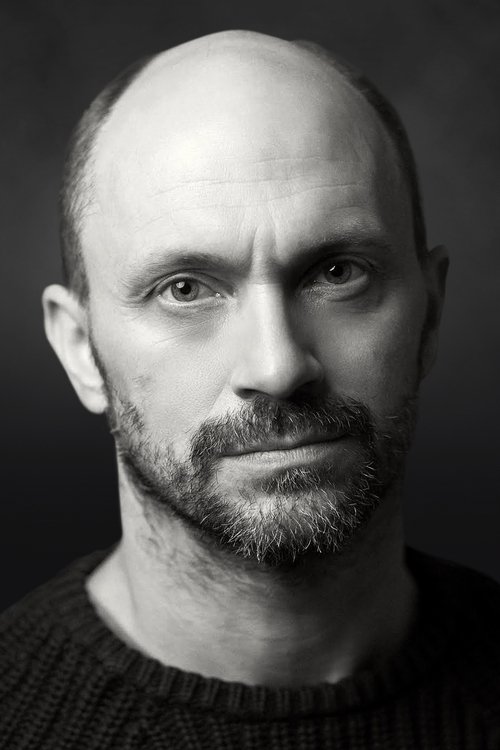
Gilliam stated that Driver was the perfect cast choice for Toby, calling him "the guy I've been looking for all these years." Cast members later announced included Joana Ribeiro, Óscar Jaenada, Jason Watkins, Rossy de Palma, and Jordi Mollà.
Having found new producers who obtained the needed budget, Gilliam unexpectedly announced in March 2017 that filming had started for the first time since the original 2000 attempt; the announcements of Pryce's role, and Driver and Kurylenko still being attached to their roles, soon followed.
During filming in May, Gilliam stated, "In the end, we're doing this for much less money than we honestly need. But everyone involved, from the cast to the crew, are all working their asses off for a fraction of what they would normally be paid, because they just want to see this thing done. It's odd how being obsessive and not giving up can inspire other people to get involved. Fools that they are!" He also stated, "It was terrifying starting shooting this film finally after, well it originally started in 1989. That's a long time ago! To be thinking, dreaming it, writing and rewriting it, it was a horrible feeling... Yet what's interesting about a film – at a certain point it starts making itself. So it's not actually the film I set out to make. This is a slightly different film. It's doing its own work, and I'm just holding on for dear life!" Driver stated that "Terry couldn't control his enthusiasm, nor how deeply ingrained this movie was within his body. It seemed like an exorcism, every day we were making it." During filming, Gilliam commented on how well they were doing: "I still worry. We've had too much luck, so it could go wrong at any moment. Today, the clouds are building. They'll probably block out the light and we'll have to go home."
On 4 June 2017, Gilliam announced that filming had finally been completed, 17 years after it originally started.
Only a few crew members constantly worked on the film between 2000 and the final product, including Gilliam, his daughter Amy (who co-produced the film), co-writer Tony Grisoni, cinematographer Nicola Pecorini, and production designer Benjamin Fernandez.
In November 2017, Gilliam stated that editing was nearly complete: "We're just fiddling now, figuring out a few things here and there so it's pretty much what it is. We've got still months of work to do on visual effects, sound, music. But as far as the tale, it's pretty tight now and it's surprisingly wonderful". On 23 December, he stated, "The year is almost finished... and so is The Man Who Killed Don Quixote."
In May 2018, at the same time Amazon Studios dropped from the project, Gilliam suffered a minor medical complication that was erroneously reported as a stroke.
During filming in Portugal, Gilliam's team was accused of damaging public properties, as well as the Convent of Christ, a notable convent in Tomar and a UNESCO World Heritage Site. The accusation came from a report by Portuguese news channel RTP1, which stated that the crew had "left behind chipped masonry, broken roof tiles and uprooted trees at the 12th-century Convent of Christ in Tomar, central Portugal." Gilliam denied the accusations, stating, "I think the Convent of Christ is one of the most glorious buildings I have ever seen. Everything we did there was to protect the building from harm... and we succeeded. Trees were not cut down, stones were not broken. [...] There was not an iota of disrespect involved. People should begin by getting the facts before howling hysterically." An investigation by the Portuguese government took place during the following weeks to determine if the news report was accurate, with the presence of "some damage" being acknowledged, which was catalogued by the convent officials who monitored the filming. The destruction of the trees was determined to have occurred during the production of an earlier, unrelated film. On 4 July 2017, Portuguese authorities ruled that Gilliam's crew was only responsible for "insignificant damage", adding that the accusations "lacked rigor and revealed a lack of scientific knowledge".
Paulo Branco, a former producer of the film, stated in June 2017 that this new version was "illegal" and that he, not Gilliam, owned the rights to the film, and that as such, any content shot for the film was the property of Alfama Films, one of the film's former production companies. Branco was a producer on the film during Gilliam's previous attempt at making it in 2016, and was supposed to find funds for the film; in exchange, Gilliam would give his salary as writer-director to Branco. Eventually, Branco did not provide the funds promised and suspended production only a few weeks before filming, leading Gilliam to find other producers with whom he was able to make the film. However, Branco claimed that he still owned the rights and was still owed Gilliam's salary despite not providing financial backing for the film as planned: according to Gilliam and the film's producers, he asked to be paid a total of 3.5 million euros, with 2 million before the release and 1.5 million afterwards.
Considering that Branco's failure to secure funds nullified their deal, Gilliam tried to have the legal contract invalidated in court twice in early 2017, once in Paris and once in London, so he could use the money from his salary to make the film; however, the court ruled in Branco's favor both times. In spring 2017, Gilliam attempted once again to nullify the contract, but the court of first instance ruled against it. Branco also accused Gilliam of having obtained the new funds for the film illegally, which Gilliam denied, claiming that HM Revenue and Customs was well-aware of the nature of said funds.
The film's current producers answered that Branco's claims were "preposterous" and that he had "no rights whatsoever to Don Quixote". Recorded Picture Company CEO Peter Watson stated, "Senhor Branco's interpretation of the law borders on the picaresque. If he really wants to kill the venerable don, I suggest he takes up jousting." Gilliam himself stated that Branco "wallows in his dark twisted madness dreaming megalomanic triumphs while spreading lies and threats", while Branco stated that Gilliam was "mad and mythomaniac".
As of April 2018, Branco still claimed that the film could not be released without his permission, leading to the issue being debated in court; as a result, the premiere of the film at the 2018 Cannes Film Festival was cancelled. Both Gilliam's lawyer and Océan Films, the French distributor of the film, stated that Branco was actively trying to prevent the film from being included in festivals to pressure the producers into paying him so the issue could be settled in time for festivals, with Océan Films stating that Branco "was never, is not and never will be the producer of Terry Gilliam's Don Quixote", adding that the producers and distributors "would not yield to this attempt at intimidation". They also stated that Branco had previously attempted to have filming cancelled, but that his claim had been rejected by the court on 19 May 2017.
The verdict was originally expected to be delivered on 15 May 2018, but was later delayed to 18 May, one day only before the possible release, where it was ultimately ruled that the film would be authorized to premiere in French cinemas. Branco immediately stated that he would keep on pursuing legal action against Gilliam and the film's release.
Additionally, Branco was also trying to prevent the film from premiering at the Cannes Film Festival, with a hearing taking place on 7 May to decide whether or not the film would be authorized to air at the festival. On 9 May, it was announced that the film would be allowed to premiere at Cannes.
The festival's organizers answered Branco's claims by stating, "The Festival de Cannes' mission is to choose works purely on artistic grounds and the selection must, above all, be with the agreement of the film's director. This is the case here. Past experience had made us aware of possible legal action and of the risks we were running, but as it happens, when we took our decision, there was no opposition to the screening of the film at the festival." They added, "Our entire profession knows that 'forcing matters' has always been Mr. Branco's favorite method, and we should recall that he organized a press conference a few years ago where he denounced the Festival de Cannes because it had not kept a 'promise to select' one of his films. This was an accusation which didn't go anywhere, because the festival does not make promises to select films."
In June 2018, the Paris Court of Appeal ruled in favor of Branco owning all rights to the film; Branco explained that he would seek damages from not only Gilliam (who the Court demanded pay €10,000 ($11,600) to Branco's production company), but to all parties involved in the making, completion, promotion, and screenings of the film. "The ruling means that the rights to the film belong to Alfama. Any exploitation of the film up until now has been completely illegal and without the authorisation of Alfama," said Branco. "We're holding everyone responsible. [...] the film's producers, [Paris-based sales company and producer] Kinology, all the others who supported the film, including those who distributed the film in France [Ocean Films] and the Cannes Film Festival, everyone." Branco said he found it "astounding" that all these parties had continued with the production and exploitation of the film without holding the rights. "The film belongs in its entirety to Alfama. The film was made illegally. It's the first time, I've ever seen so many people embark on a mission to produce and exploit a film, without holding the rights. It's a unique case."
Later that month, it was reported that although the Court ruled in favor of Branco, producer Mariela Busuievsky clarified that Gilliam in fact still retains the rights to the film, saying that Branco overstated his victory in the ruling. Gilliam never shot a frame of the film under the deal with Branco, and as such, the former producer does not own any rights. However, since Gilliam did a poor job of terminating his contract with Branco, there will be a financial settlement that will have to be made between the two parties and the ex-producer has been using this to claim a right to the finished film. Busuievsky went on to say that the latest ruling does say that Gilliam owes €10,000 and there will probably be more money required to settle. However, these financial issues don't affect the film's release. According to the producer, they chose to remain quiet about the actual major details because it didn't feel necessary, but when Branco went public with his victory and claimed rights to the film, they felt they had to step forward and air all the "dirty laundry". The producer said in 2018 that they were making plans for European territories, with US distribution to follow shortly. She said that "there are many options" in regards to US distributors.