Critical response
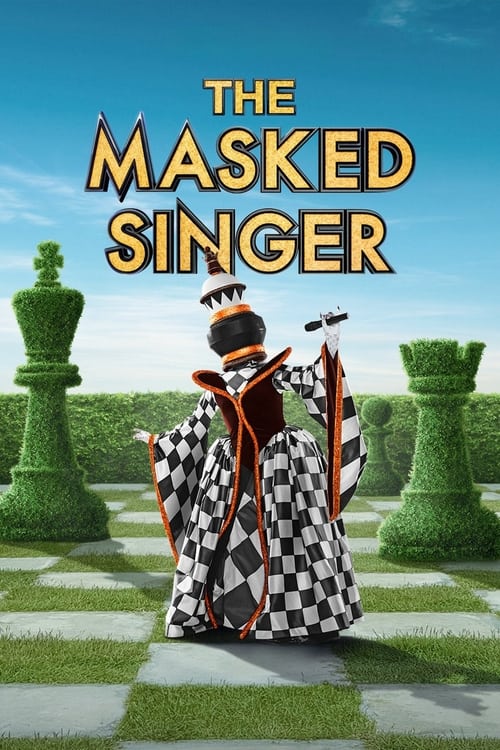
The show received a mixed reception from television critics; their critiques were classified as "befuddled" by The Hollywood Reporter. Review aggregation website Rotten Tomatoes reported a 52 percent approval rating for the first season, with an average rating of 4 out of 10, based on 25 reviews. Its critical consensus states: "Defying all tropes of the reality competition genre, The Masked Singer manages to be both magnetically apocalyptic and inexplicably boring." Metacritic, which uses a weighted average, assigned the series a score of 36 out of 100 based on 10 critics reviewing the first season, indicating "generally unfavorable reviews".
Critics contrasted the series to other reality television programs in the United States. Entertainment Weekly's Joseph Longo considered it the most captivating competition series since The Voice premiered in 2011, and Stuart Heritage of The Guardian called it one of the best singing competition shows in a decade. Writing for NBC News' Think, Ani Bundel thought the series has an advantage over Dancing with the Stars and The Voice because voting bias is less likely when competitors are unknown. Kelly Lawler of USA Today agreed, praising the avoidance of overproduced backstories, harsh criticisms, and results episodes. The Daily Beast's Laura Bradley felt it was better than Dancing with the Stars because costumes can be used to generate interest instead of casting those "who seek to overplay their 15 minutes of fame". As she considered its format more complex than Top Chef or Dancing with the Stars, Erin Schwartz of The Nation considered The Masked Singer's success surprising.
The show received comparisons to the original version of the franchise. Despite its strong viewership indicating the "changes [between it and the South Korean version] seem to have worked", some felt the competition length is too slow in comparison, and makes reveals occur long after established consensuses, about who the celebrities are, have formed, nullifying the excitement surrounding them. While contestants on the South Korean series sing the same songs during a duet round, producers' decision not to do so in the American version was also thought of as an "ill-advised" decision by critics as they felt it inhibits fair comparisons. Conversely, for V's Hannah Hightman, the series "retains the bizarreness of King of Mask Singer but adds a distinctly American style, creating an infectiously fun reality TV classic". According to Drew Millard of The Outline, the show is better than previous American adaptations of Asian television series because it is "even crazier than the original".
Critics regarded the program as having a positive nature. John Doyle of The Globe and Mail cited it as a cultural change in the United States away from the competitive and often exploitative essence of reality shows like American Idol. Opining in The Washington Post, Sonia Rao thought the series' ethos is its support of eccentricity. Matt Zoller Seitz of Vulture named it the best example of escapism on television, and Variety's Daniel D'Addario called it a return to form for the medium as he thought it possesses the now-rare ability to uplift and unite people. Lawler agreed, remarking it was perhaps "the only reality TV show that doesn't manufacture its fun". Schwartz considered it "the rare show on television that allows viewers to turn off their brains, sit back, and enjoy" and felt panelists compliment competitors despite the quality of their performances. The way contestants are eliminated has garnered praise for being dignified, though those of "vocal legend[s]" such as Patti LaBelle, Dionne Warwick, and Chaka Khan have been criticized for being premature.
The costume designs have received praise for being inventive, intricate, and impressive. Opinions of the performances have differed; Variety's Caroline Framke described them as mediocre, The New Yorker's Emily Nussbaum thought the choreography was elaborate, and Entertainment Weekly's Kristen Baldwin said some celebrities sound professional while others are more karaoke-like. The way the show is edited has attracted criticism; guesses have been called repetitive, episodes excessive in length, and unmaskings slow. Writing for Decider, Joel Keller found the program's pacing overwhelming. To fix the "manufactured" feeling, Hanh Nguyen of IndieWire felt a live broadcast would add excitement, as did those from Gold Derby and E! Online. Viewers on the West Coast discover which celebrity is unmasked later than those on the East Coast because the show is not aired live across all time zones.
Reviewers referred to the status of celebrities competing. Rob Harvilla of The Ringer wrote that they are either stars of decades past or only have thin connections to actual celebrities and Ali stated the show's "idea of celebrity is fairly elastic". According to Hannah Hightman, the series is "a haven for B-list celebs". Alison de Souza of The Straits Times said the series has never featured an A-lister. With both traditional Hollywood celebrities and reality show stars participating, some indicated the hierarchies of fame are no longer as defined as they once were. Conversely, Adam White of The Daily Telegraph attributed the show's success in part to the "relative starriness of its participants" and BBC News' Neil Smith considered it a "particularly starry" version of the franchise. In her book Transnational Korean Television, the scholar Hyejung Ju argued almost all of the contestants are well-known. In contrast to the New Zealand edition, Jenni Mortimer of The New Zealand Herald said "the celebrity pull on the US version is huge". The series has received criticism for having politicians such as Sarah Palin and Rudy Giuliani as contestants, with the latter causing panelists Ken Jeong and Robin Thicke to walk out.
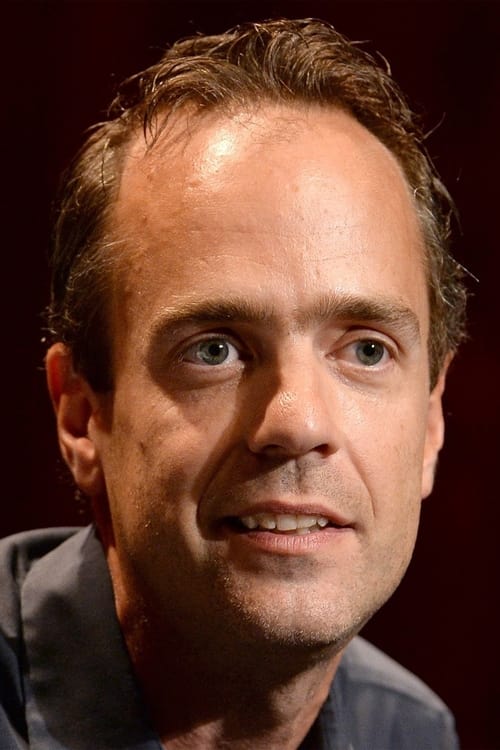
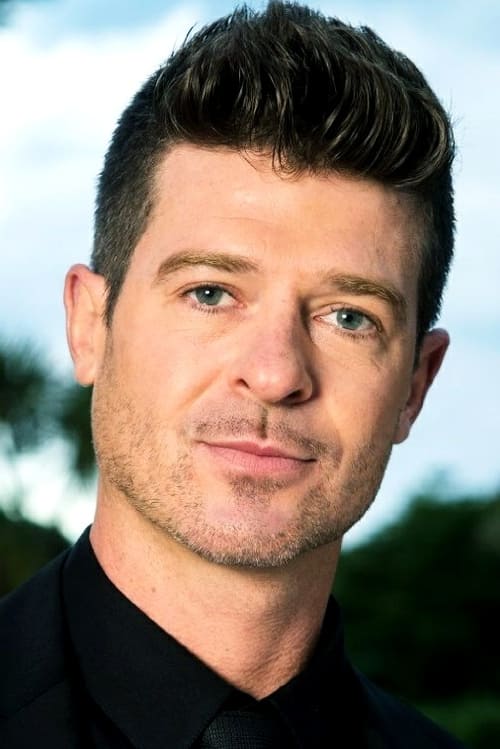
Critics felt the panelists undermined the program with pointless statements and awkward interactions. Describing McCarthy Wahlberg as inexperienced, Scherzinger as dull, Jeong as over-the-top, and Thicke as too serious, Kelly Lawler named them the worst panel in reality television history. Rachel Desantis of the New York Daily News thought all except Jeong were unfunny; Miles Surrey of The Ringer disagreed, stating Jeong was annoying. Quartz's Adam Epstein predicted the panelists could be the show's downfall. Their guesses have been called stupid, absurd, worthless, and "the worst part of the [show]" by those who viewed them as implausible. In dissenting, The Daily Beast's Jordan Julian felt they made the panelists "surprisingly entertaining" and D'Addario compared the panelists favorably to the original American Idol judges who he perceived as non-experts in their fields.
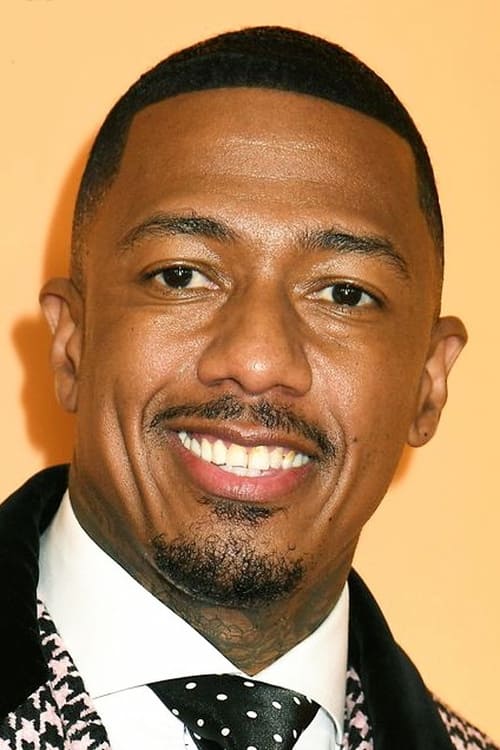
Cannon's role on the series has divided critics. The Washington Post's Emily Yahr felt he "was made for" the show due to his years of experience in the same role "seeing oddities" on America's Got Talent, and Keller thought he "learned his lesson" from that program by being less distracting. Conversely, Doyle called Cannon "as inarticulate as a three-year-old" and Longo remarked he was overshadowed by the presence and commentary of McCarthy Wahlberg. McCarthy Wahlberg's role on the show was criticized by Seitz and Sam Barsanti of The A.V. Club due to her views on vaccines.