Marketing
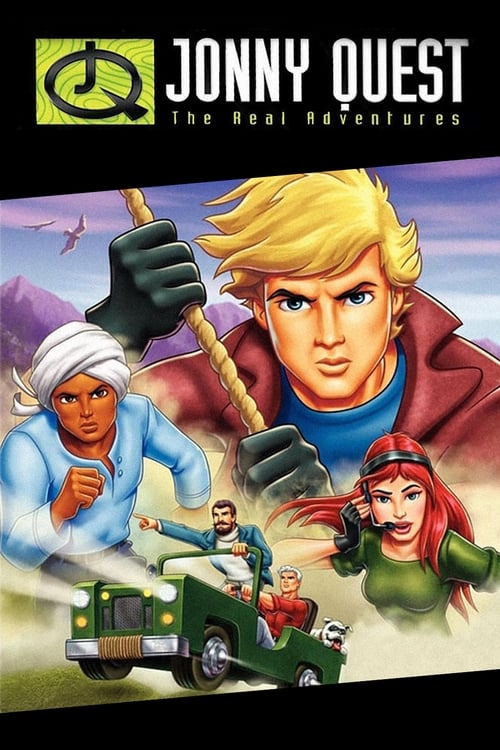
Turner launched a massive marketing campaign to promote Real Adventures, intending to reach 80% of American children aged six to eleven. Each Turner network spent $5 to $7 million for a total of $20 million invested in promotion; the company contracted 33 licensees. Other reports pegged the budget at $40 million, and Marketing Week estimated that the series launched with $300 million of merchandising support. The Wall Street Journal called Quest a "property to watch" in 1995; People and Good Housekeeping considered it a surefire blockbuster. Turner provided digital and bound style guides featuring collections of Quest artwork, coloring instructions, and product ideas. Produced for $100,000 and believed to be the first of its kind, the digital style guide included fonts, logos, character art, merchandising mock-ups, voice clips, and other interactive content. Hanna-Barbera launched Questworld.com as the show's internet hub, presenting it as if written by members of the Quest team. Complementing the show's educational, real-world premise, the site hosted links to academic, archaeological, and exploratory websites. Turner announced 32 licensees as of summer 1996.
Turner marketed Real Adventures through a substantial diversity of products, considering its Quest campaign a role model for future shows. Galoob acquired figurine licensing rights in 1995 and created a product line of vehicles, figures, and Micro Machines for fall 1996 release. Turner felt that Galoob's commitment legitimized the Quest marketing plan and next secured partnerships with Pizza Hut and food retailers. Pillsbury included $3 mail-in rebates for future Quest videos, display contests, and instant coupon offers on over 20 million packages. Campbell Soup Company released six holographic miniature posters on the same number of SpaghettiOs cans; the posters were awarded in Converting in 1997. General Mills outfitted boxes of Honey Nut Cheerios and Cinnamon Toast Crunch with offers for T-shirts and other items. Over five thousand Pizza Hut restaurants held a two-month-long giveaway of figurines with meals during the show's launch. Galoob failed to build popularity for its toys outside the United States and discontinued the line in 1997.
Upper Deck Company used art, sketches, and plots from the first season to create a sixty-piece card collection. Turner also marketed Zebco fishing poles bearing the Quest logo. Kid Rhino produced a cassette audio adventure based on the episode "Return of the Anasazi". The show's credits advertised a soundtrack available from Rhino, never sold or otherwise promoted. Turner listed several products in a "Quest Adventure Value Pack" coupon catalogue.
Marketers tied in classic Quest merchandise, launching a classic H-B promotion with Days Inn hotels, Planet Hollywood restaurants, and Little Debbie snack cakes and offering rebates for Cyber Insects and classic episodes. The marketing campaign culminated with the release of eight VHS Real Adventures season one episodes. Turner also released two episodes on laserdisc. Metropolitan newspapers worked with Turner to promote the videos through grab-bag giveaways. Turner sold merchandise through several international distributors and expected to make a $60 million profit per year in the Asia-Pacific region alone.
Savoy Brands International handled South American distribution, involving 750,000 retail outlets in Argentina, Chile, Peru, Guatemala, Honduras, Panama, Venezuela, Ecuador, and Columbia. Turner debuted Quest at a cocktail party for the European Licensing Fair in late 1996 and released merchandise in Europe through 90,000 retail outlets over the next six months. Copyright Promotions Licensing Group handled licensing in the United Kingdom. Turner ensured that the license agreements forbade retailers from discounting Quest items. The size of the marketing initiative left one newspaper reviewer wondering, "are [the Quests] back because they're too cool to die, or because they're too well known to be squandered as a licensing product?" Turner worried that the promotion might overhype the brand and timed commercial rollouts over the life of the show. H-B chief Fred Seibert expected high sales and success:
The new series is the beginning of what will be a multi-faceted global programming, marketing and merchandising effort ... The property still has great recognition and we think this will work because of the production values, because it's a real person solving real problems, and because it's the property that started the genre. Dark Horse Comics composed a 12-issue series released over the show's first run, expecting higher store patronage and cross-selling. Editor Phil Amara assured fans that the comics would contain tributes to the classic Jonny Quest. Kate Worley wrote the Real Adventures series, and Francisco Lopez illustrated it; guest writers and artists regularly contributed. A lifetime fan of Quest, Eisner Award winner Paul Chadwick drew the cover of the final issue, depicting Jonny's descent into a cave on Easter Island. Dark Horse worked with Galoob to ship comic shop locator phone numbers and preview URLs with figurines. The company also advertised and released a special three-issue series through mail offers with over 8 million boxes of Honey Nut Cheerios. Three two-page "mini-adventures" packaged with existing Dark Horse products preceded the series's release. Dark Horse also worked with Converse to stage a promotion in early 1997 for a fan to appear in a Quest comic.
Terry Bisson and others working under the alias "Brad Quentin" produced 11 original novellas featuring adventure and virtual reality themes. Critics appreciated that the books may have drawn kids to reading, especially those interested in technology. The books credited Gregory Benford as the scientific advisor for the show, and each novella featured an epilogue by him speculating about future technological developments. The novellas made use of the first season's designs in their cover and interior art. Only certain comics and coloring books used season two's designs, such as Dark Horse's Countdown to Chaos, featuring General Vostok. Turner did not market the show again until April 2004, when Warner Home Video released the episodes "Escape to Questworld" and "Trouble on the Colorado" as TV Premiere DVD: The Real Adventures of Jonny Quest on MiniDVD.