Controversy
According to an opinion piece from staff members of the Foundation for Defense of Democracies published on The Washington Post, the series allegedly promotes an "antidemocratic", "antisemitic" and "conspiratorial" worldview, opining that the show depicts that "a free press, secularism and democracy are the work of foreign powers, religious minorities, and godless liberals, and ultimately serve to erode national identity, honor, and security. Of all the series’ villains, none are more sinister than the Jews."
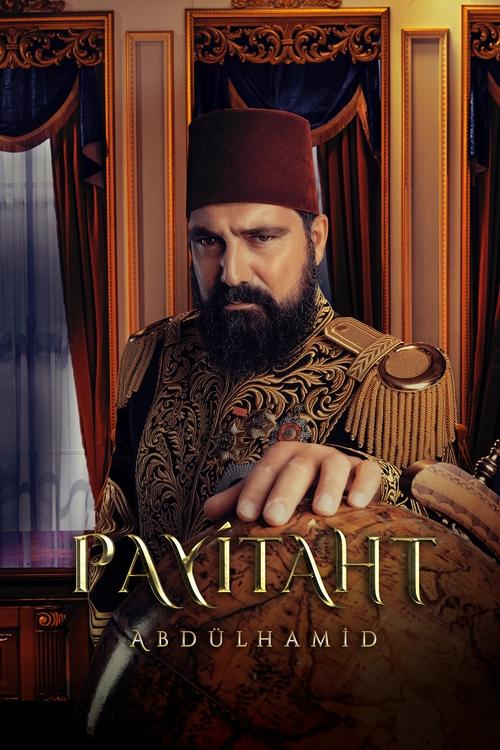
Ritman and Galuppo stated that the television series portrays Abdülhamid "as a noble leader forced to do what he must to protect the Ottoman Empire", at odds with the negative reputation with historians outside of Turkey for allowing the Hamidian massacres.
Theodor Herzl, the liberal founder of modern Zionism, is one of the villains of the series who is portrayed as a man so perfidious as to hold his penniless father prisoner without his mother's knowledge because of alleged ideological differences. The show depicts him at the First Zionist Congress, portrayed in such a way as to evoke the Elders of Zion, planning to create a Jewish state spanning from the Nile to the Euphrates, which is a popular anti-Zionism conspiracy theory. Meanwhile, the coin-flipper for the Sultan is portrayed as a secret Vatican agent allegedly working on behalf of Herzl, even though the Vatican allegedly opposed the establishment of Israel. The Washington Post noted that this portrayal was "revisionist in the extreme".
The anti-Westernism present in the show's message has also been remarked upon, as the production portrays "Jewish conspiracies" as melding together with the nefarious plots of the Catholic Church, Freemasonry, Britain as well as other Western powers, and the Young Turks into "one overarching scheme". The Vatican emissary is named "Hiram", a name that is associated with Freemasonry.