History
The Voice first came to the public eye when the BBC revealed that it was exploring the possibility of acquiring the rights. However, ITV was also interested as it was concerned that The X Factor could lose ratings after Simon Cowell, Cheryl and Dannii Minogue left the panel. ITV were said to be afraid that the show with would "upstage" theirs.
On 18 June 2011, it was reported that the BBC had won the rights to The Voice UK. In mid-2011 it was revealed that BBC would be broadcasting The Voice after paying £22 million. Danny Cohen, the controller of BBC One, said he wants the programme to emulate the success of The Apprentice and defended his decision to invest in it. Cohen said, "I thought it was really good. Every so often the BBC occasionally buys something from abroad that is peerlessly good, like The Apprentice. We adapted that for Britain with Alan Sugar and made the British version the best in the world. We hope The Voice will do similarly. We shouldn't shut the door on anything."
It was later revealed that The Voice would not be going head-to-head with The X Factor as Strictly Come Dancing is broadcast at the end of the year. Channel 4 had entered the bidding war with the BBC and ITV, but later pulled out after the channel's director called the show "derivative" and "a rip-off". It was said that the BBC was keen to sign up a new singing-talent show after it dropped Fame Academy in 2004 and had not revisited the genre. It was also eager to schedule a replacement for So You Think You Can Dance, which was dropped in 2011. Presenter Holly Willoughby also stated that The Voice UK is a "feel good show" saying, "The difference [with The Voice] is it's a blind audition, the coaches can't see the contestants when they come on stage so they judge them purely on their voice and their voice alone. It's really feel-good and the coaches are incredible."
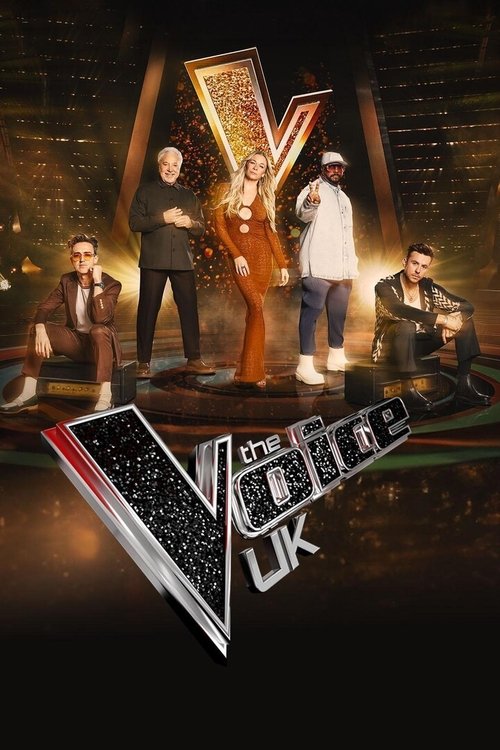
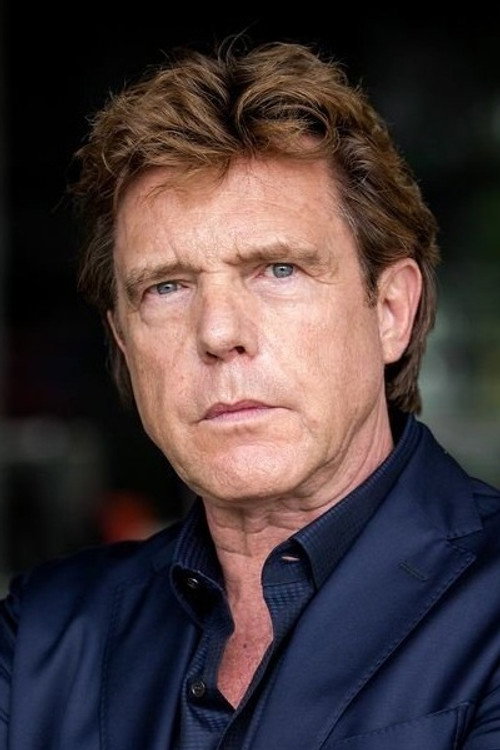
Devised by John de Mol, the creator of Big Brother, The Voice is based on the Dutch TV programme The Voice of Holland and is part of The Voice franchise, being based on the similar American format.
According to Anita Singh from The Daily Telegraph, the BBC have spent £22 million on buying the rights to the show, which will last two years. Of the amount of money spent on it, a BBC spokesperson said, "There is an awful lot of pressure, given the money spent on the format, for the ratings to be good. But at the moment all signs are that it will be cash well spent." Singh stated however, that this contradicted a "pledge" made by Mark Thompson, the director-general. He said, "The BBC needs to make a further significant shift towards distinctiveness, spending more of the licence fee on output which, without the BBC, wouldn't get made at all." The ITV reportedly "offered more for the format but were turned down". After comparisons to the X Factor were made, Cohen defended the decision to gain the rights to the show saying, "We feel that there's enough difference in this format that it will stand out. The fact that ITV tried very hard to get it—even though they've got The X Factor—suggests that they feel this show is different enough [from that one]."
In October 2011, it was announced that Moira Ross, executive producer of Strictly Come Dancing, quit the show to join production company Wall to Wall, so that she could take the position of executive producer of The Voice UK.
The BBC were planning to make each performance on the show available for download each week, with the proceeds going to charity or the downloads being free, before it is then released commercially. The winner will receive £100,000, as well as a record deal with Universal Republic.
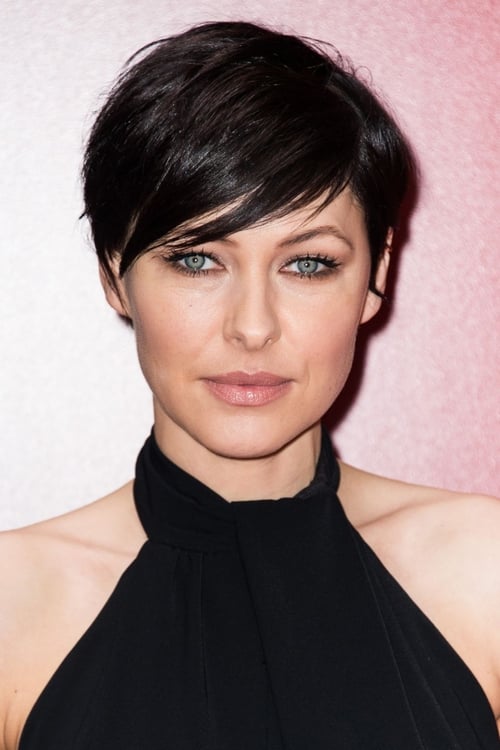
On 24 May 2013, it was reported that BBC One was close to recommissioning the show for a third series in 2014. The next day, it was confirmed that it would return for a third series. In July 2013, Jessie J and Danny O'Donoghue confirmed they would not be able to return as coaches for series 3 due to their music careers and touring. In September, Holly Willoughby and Reggie Yates announced they would not be returning as co-presenters for series 3. It was confirmed the same month that Kylie Minogue and Ricky Wilson would replace Jessie J and O'Donoghue. It was announced that Emma Willis and Marvin Humes would replace Willoughby and Yates as co-presenters for the third series. On 29 March 2014, the BBC confirmed the series would be returning for another two series. In April, Minogue confirmed that she would not return for the fourth series, due to clashes with her Kiss Me Once Tour. On 22 September, it was confirmed that Rita Ora would replace Minogue.
In June 2015, it was announced Ora would be joining the twelfth series of The X Factor. In August 2015, it was announced that Paloma Faith would replace Ora, with Boy George replacing original coach Jones, who was let go and would not be involved in the fifth series' production.
On 7 November 2015, it was announced that the fifth series of The Voice UK would be the last to air on BBC. On 23 November 2015, ITV announced they had acquired the rights to air The Voice UK for three additional series, set to begin airing in 2017. They also announced their plans to produce two additional series, The Voice Kids and an untitled ITV2 spin-off, both also set to air in 2017. The last episode aired on the BBC on 9 April 2016. The ITV2 spin-off show was axed on 8 August 2016, but it could return in the future.
On 10 December 2020, ITV announced the tenth series of The Voice UK would premiere on 2 January 2021.
In November 2021, only the new series of The Voice Kids was included by ITV as part of its Highlights brochure (for Christmas 2021), with the 2022 series of The Voice UK losing its Saturday night slot in January, to the Olly Murs hosted Starstruck format with Sheridan Smith, Adam Lambert, Jason Manford and Beverley Knight.