Plot
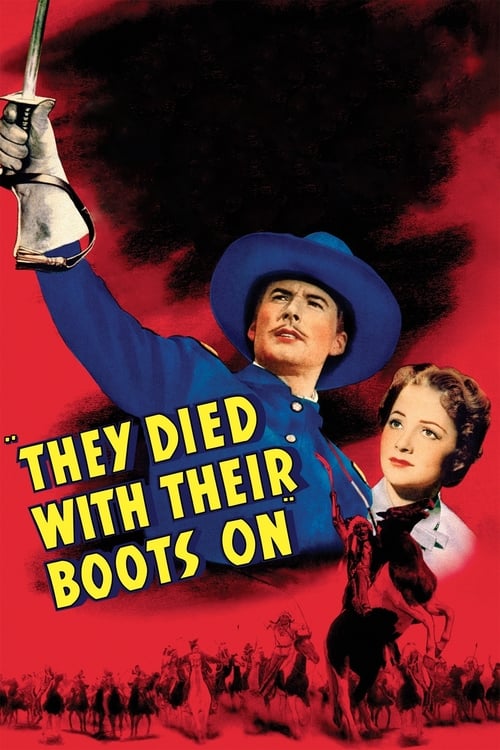
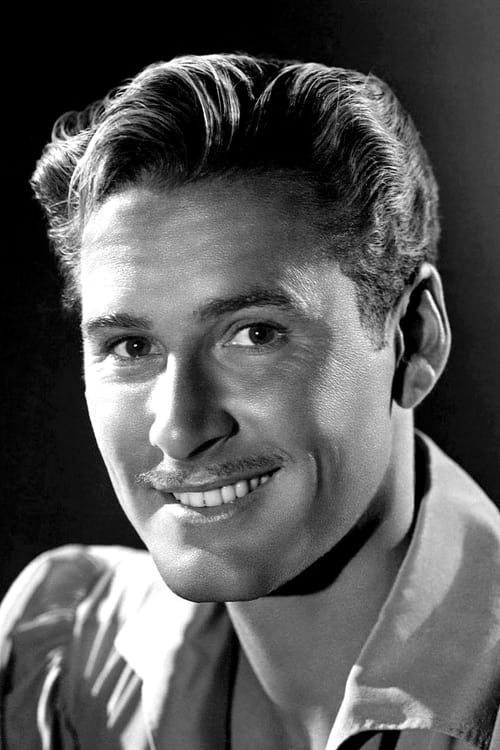
George Armstrong Custer (Flynn) arrives at West Point and is mistaken by his self-designed, outlandish uniform for a visiting dignitary. His academic career doesn't improve, and demerits for pranks and poor discipline accumulate. When the Civil War breaks out, Custer is at the bottom of his class.
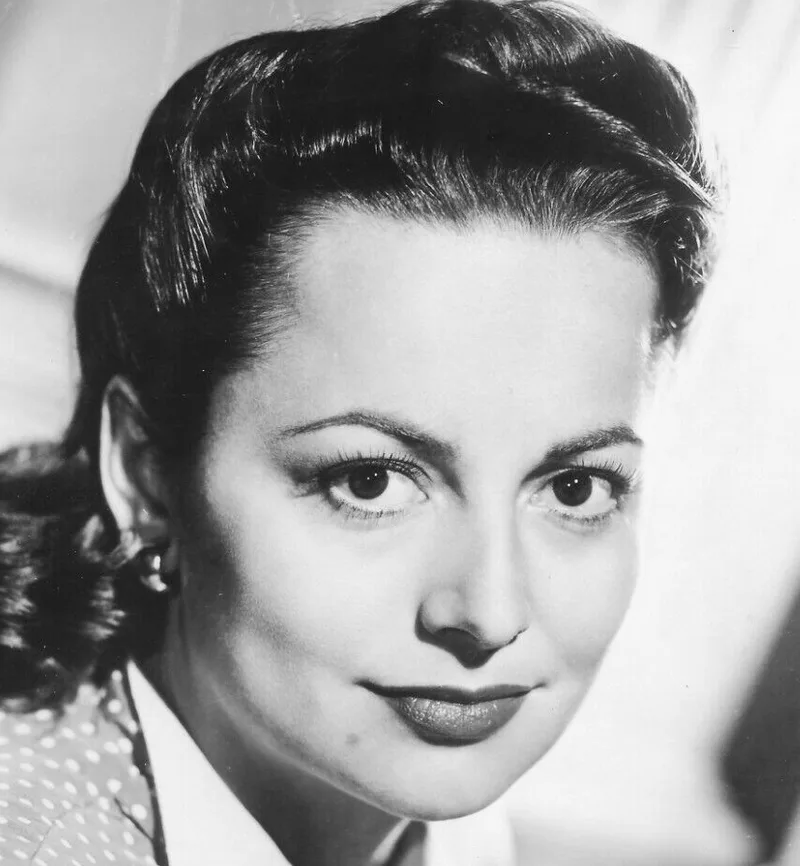
Custer is unable to reply to Libbie Bacon who asks him for directions while he is on enforced silence. When his punishment ends he explains his rude silence, and asks to call on her that evening. When Custer's class is graduated early and ordered to report to Washington, D.C., for assignment, Custer misses his appointment with Libbie.
General Winfield Scott (Sydney Greenstreet) aids Custer in getting assigned to the 2nd U.S. Cavalry where he becomes a war hero after disregarding a superior's orders while defending a bridge. He returns to Monroe, Michigan on leave to meet Libbie at her home, but her father orders him away. Custer returns to his regiment, is mistakenly promoted to brigadier general and commands the Michigan Brigade at the Battle of Gettysburg, the first of many successes for him. Returning home to Monroe as a Union war hero, Custer marries Libbie but soon tires of civilian life and begins drinking too much. Libbie convinces Custer's old friend General Scott to commission Custer as a lieutenant colonel and send him west to the Dakota Territory.
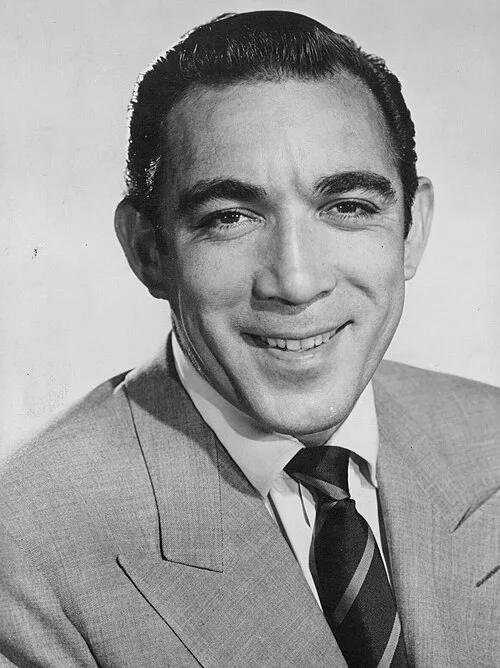
When Custer arrives at Fort Lincoln with Libbie, he finds the drunken, rowdy, and undisciplined soldiers in need of firm leadership. His old West Point enemy, Ned Sharp (Arthur Kennedy), who has a government license to run the fort's trading post and saloon, is providing Winchester repeating rifles to the local Native Americans. Custer stops the rifle sales and permanently closes the saloon. He introduces a regimental song, "Garryowen", and U.S. 7th Cavalry under Custer's command engages Lakota warriors under tribal chief Crazy Horse (Anthony Quinn). The Lakota want a treaty to protect the sacred Black Hills. Custer and Washington sign the treaty. When Sharp's trading posts lose money, he conspires to spread a rumor of large gold deposits in the Black Hills. American settlers stream into the area in violation of the treaty. To embarrass Custer, who stands in the way of the settlers, Sharp passes out free liquor to Custer's men. They drunkenly pass in revue, in complete disarray, before Commissioner Taipe, a politician in league with Sharp. Custer is relieved of command when he punches Sharp and the commissioner.
Travelling to Washington for his Court martial Custer hears from Libbie about the Black Hills gold rush plan, realizing it has been fabricated to maximize profits for a select group of businesses. Custer takes the information to the U.S. Congress which ridicules him. When news arrives that the presence of gold miners has led to open conflict between the Lakota and U.S. troops, Custer appeals in person to President Ulysses S. Grant, one soldier to another, who restores him to command.
Upon returning to Fort Lincoln, Custer realizes his cavalry are the only chance at rescuing a force of U.S. infantry from a superior force of Lakota. Custer gives an emotional farewell to Libbie and leads the 7th Cavalry into action. Greatly outnumbered by more than 6000 Native American warriors, Custer and his meagre forces are killed. Corrupt politicians have goaded the western tribes into war for personal profit, threatening the survival of all white settlers in the Dakota Territories. Custer and his men have given their lives at the Battle of the Little Bighorn in order to slow the Native American advance. A letter left behind by Custer with Libbie, now considered his dying declaration, names the culprits and absolves the Native Americans of all responsibility.