Production
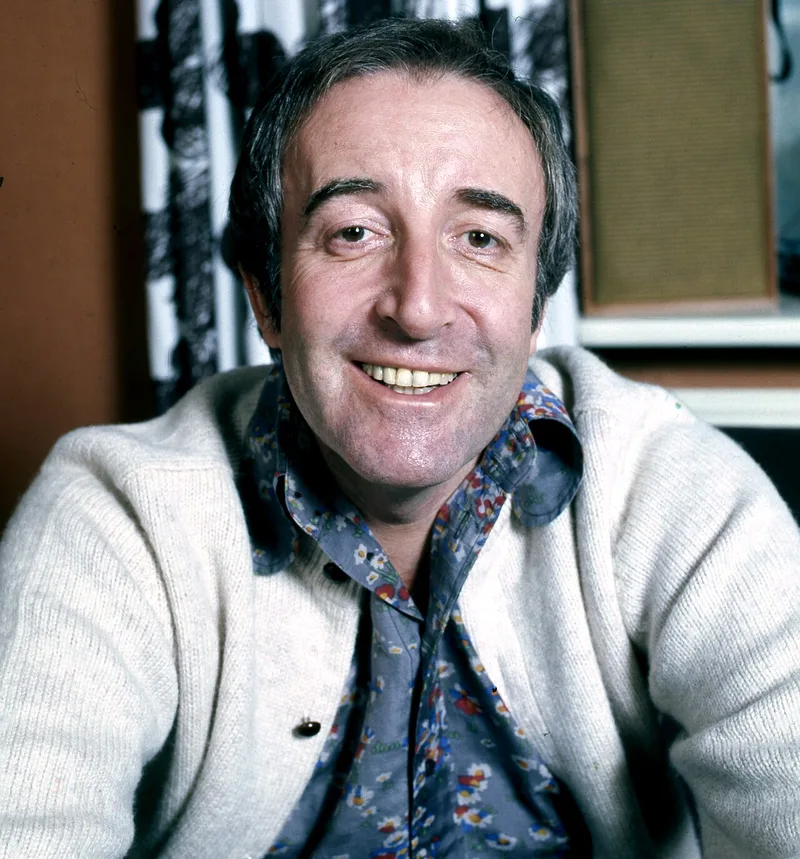
Sellers died in late July 1980, a year and a half before production began. After Sellers died, UA tried to get Dudley Moore to take on Clouseau in the Sellers-penned Romance of the Pink Panther. Moore refused to do it without Edwards directing and was willing to play Clouseau only one time as a tribute to Sellers (knowing Romance was to have ended the series, according to a Los Angeles Times interview with Moore in 1980). UA wanted the series to continue, but Edwards refused to cast another actor as Clouseau, recalling the negative reception that Inspector Clouseau (1968) suffered upon release (The production featured Alan Arkin in the title role and was made without the involvement of Edwards and Sellers), and also believing that no one could actually, realistically and believably replace him in that role.
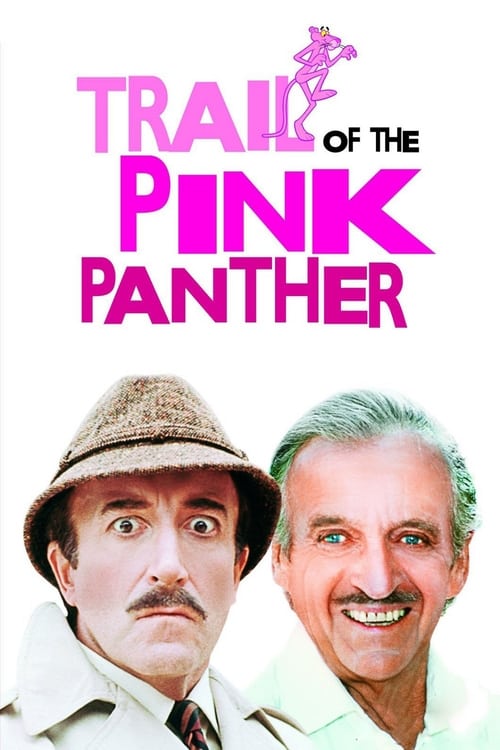
Edwards instead opted to reconstruct Sellers's performance from deleted scenes from The Pink Panther Strikes Again. Frank and Tom Waldman wrote the screenplays for both The Trail of the Pink Panther and its sequel Curse of the Pink Panther together, and they were produced back-to-back on a $17 million budget. Principal photography began on February 15, 1982, at Pinewood Studios and concluded on June 15, 1982, in Paris. Additional filming took place in Nice, Valencia, Ibiza, Cortina d'Ampezzo, and Casablanca. The shooting in Valencia was guarded by the Spanish National Police Corps and the United States Secret Service due to the involvement of President Ronald Reagan's daughter Patti Davis. Footage of the fictional country of Lugash was filmed in Paris, including the Basilica of Sacré-Cœur in Montmartre.
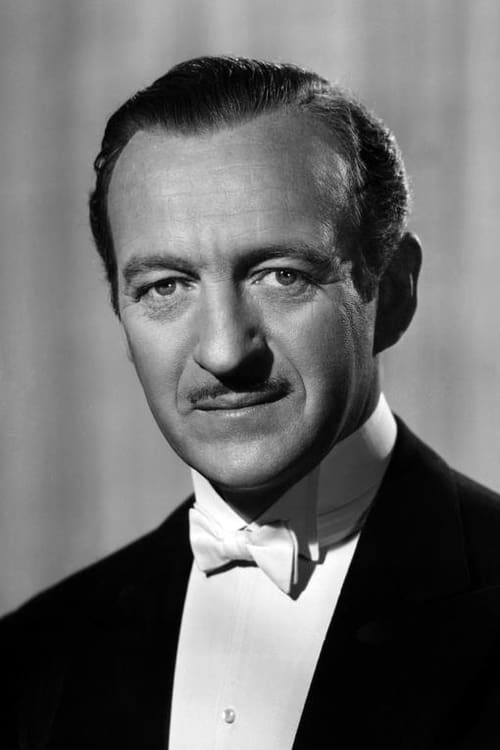
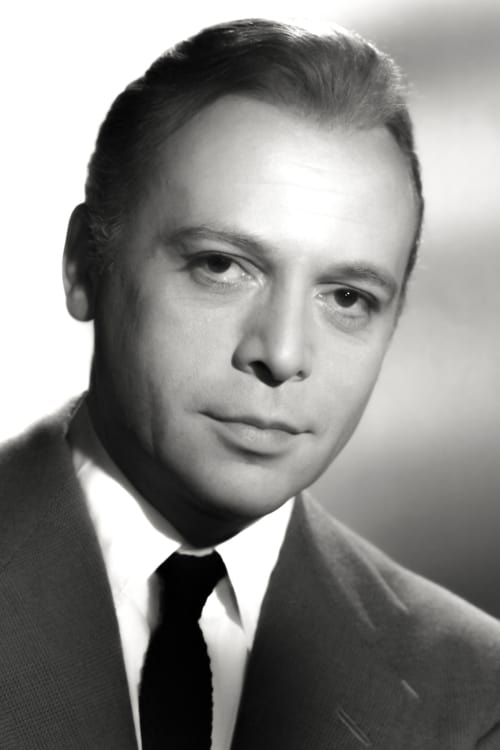
David Niven appears in the film, reprising his role of Sir Charles Lytton, which he first played in the original The Pink Panther of 1963. His new footage was filmed at Victorine Studios in Nice, with the Château de Bellet and the Château Castellaras standing in for his French Riviera estate. Niven was in the early stages of ALS, and his voice subsequently proved too weak to loop his own dialogue during post-production; as a result, his lines were dubbed by impressionist Rich Little. Other returning series regulars include Herbert Lom as Chief Inspector Dreyfus, Graham Stark as Hercule LaJoy (last seen in the 1964 Pink Panther film A Shot in the Dark), Burt Kwouk as Clouseau's faithful man servant Cato and André Maranne as Sgt. François Chevalier. Trail featured the animated opening and closing credits, animated by Marvel Productions. Director Blake Edwards dedicated the film to Sellers, "the one and only Inspector Clouseau."
Despite the dedication, Sellers's widow Lynne Frederick filed a $3 million lawsuit against the film's producers and MGM/UA, claiming that the film diminished Sellers's reputation, and was awarded over $1 million in damages. Despite this, however, there was a practical reason behind Frederick's suing of Edwards. Her primary objection was that Sellers had actually vetoed the use of outtakes from earlier Panthers in his lifetime and that his estate should have had the right to control the use of outtakes after his death. The reason the question of outtakes being used had come up in Sellers's lifetime was that Edwards had shot and edited a two-hour and six-minute version of Strikes Again, hoping to recapture the zany spectacle of The Great Race, with Dreyfus as the melodramatic villain in the fashion of Jack Lemmon's Professor Fate. United Artists vetoed this long version and the film was drastically cut from two hours to just over an hour and a half. There were rumors for a time that a three hour cut existed as well, but Strikes Again's novelization clears this all up as, apart from some minor deviations, it contains all of the deleted scenes that were ultimately used in Trail, which only total to about 23 minutes and no other additions that would total to an extra hour's worth of footage are present in the novel.
A London court subsequently ruled that the use of footage was illegal and awarded Frederick $1.475 million in damages but declined to bar the release of the film.