After the Cold War (1991–1999)
After the Cold War, the UN saw a radical expansion in its peacekeeping duties, taking on more missions in five years than it had in the previous four decades. Between 1988 and 2000, the number of adopted Security Council resolutions more than doubled, and the peacekeeping budget increased more than tenfold. The UN negotiated an end to the Salvadoran Civil War, launched a successful peacekeeping mission in Namibia, and oversaw democratic elections in post-apartheid South Africa and post-Khmer Rouge Cambodia. In 1991, the UN authorized a US-led coalition that repulsed Iraq's invasion of Kuwait. Brian Urquhart, the under-secretary-general of the UN from 1971 to 1985, later described the hopes raised by these successes as a "false renaissance" for the organization, given the more troubled missions that followed.
Beginning in the last decades of the Cold War, critics of the UN condemned the organization for perceived mismanagement and corruption. In 1984, American president Ronald Reagan withdrew the United States' funding from the United Nations Educational, Scientific and Cultural Organization (or UNESCO) over allegations of mismanagement, followed by the United Kingdom and Singapore. Boutros Boutros-Ghali, the secretary-general from 1992 to 1996, initiated a reform of the Secretariat, somewhat reducing the size of the organization. His successor, Kofi Annan, initiated further management reforms in the face of threats from the US to withhold its UN dues.
Though the UN Charter had been written primarily to prevent aggression by one nation against another, in the early 1990s the UN faced several simultaneous, serious crises within Somalia, Haiti, Mozambique, and the nations that previously made up Yugoslavia. The UN mission in Somalia was widely viewed as a failure after the United States' withdrawal following casualties in the Battle of Mogadishu. The UN mission to Bosnia faced worldwide ridicule for its indecisive and confused mission in the face of ethnic cleansing. In 1994, the UN Assistance Mission for Rwanda failed to intervene in the Rwandan genocide amidst indecision in the Security Council.
From the late 1990s to the early 2000s, international interventions authorized by the UN took a wider variety of forms. The United Nations Security Council Resolution 1244 authorized the NATO-led Kosovo Force beginning in 1999. The UN mission in the Sierra Leone Civil War was supplemented by a British military intervention. The invasion of Afghanistan in 2001 was overseen by NATO. In 2003, the United States invaded Iraq despite failing to pass a UN Security Council resolution for authorization, prompting a new round of questioning of the UN's effectiveness.
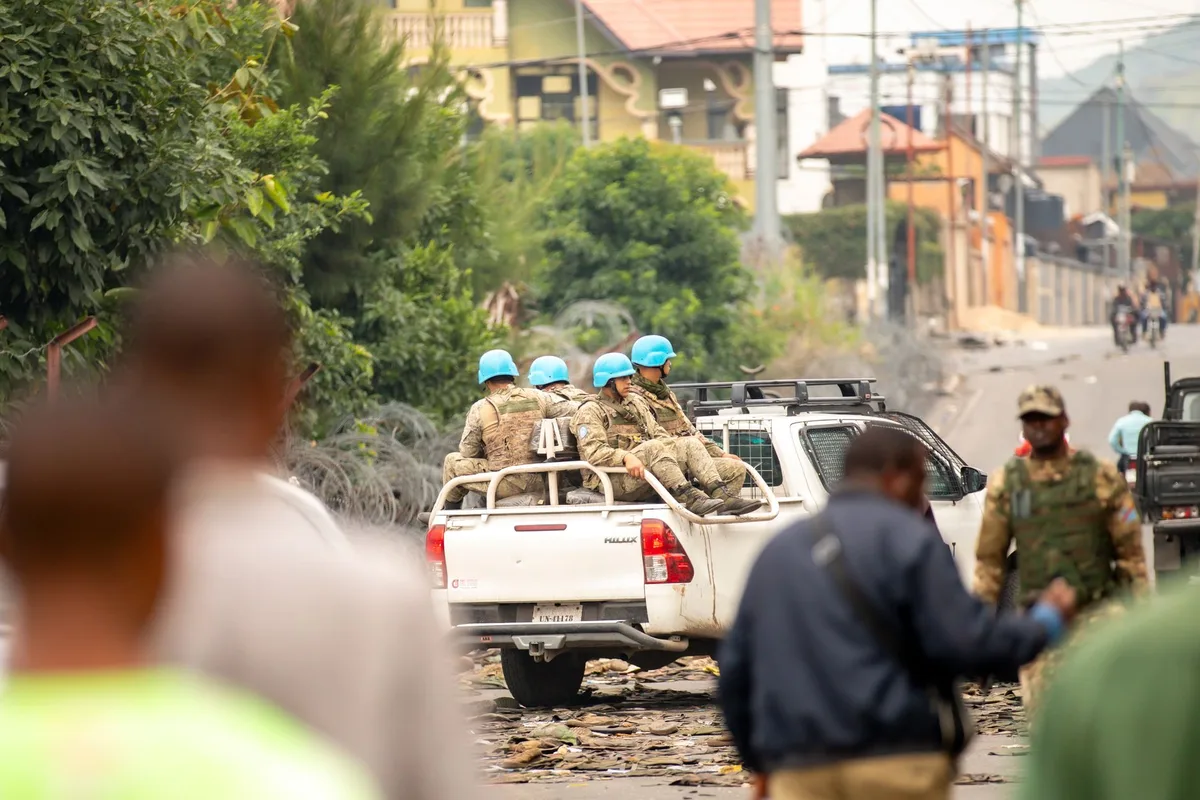
Under the eighth secretary-general, Ban Ki-moon, the UN intervened with peacekeepers in crises such as the War in Darfur in Sudan and the Kivu conflict in the Democratic Republic of the Congo and sent observers and chemical weapons inspectors to the Syrian Civil War. In 2013, an internal review of UN actions in the final battles of the Sri Lankan Civil War in 2009 concluded that the organization had suffered a "systemic failure." In 2010, the organization suffered the worst loss of life in its history, when 101 personnel died in the Haiti earthquake. Acting under the United Nations Security Council Resolution 1973 in 2011, NATO countries intervened in the First Libyan Civil War.
The Millennium Summit was held in 2000 to discuss the UN's role in the 21st century. The three-day meeting was the largest gathering of world leaders in history, and it culminated in the adoption by all member states of the Millennium Development Goals (MDGs), a commitment to achieve international development in areas such as poverty reduction, gender equality and public health. Progress towards these goals, which were to be met by 2015, was ultimately uneven. The 2005 World Summit reaffirmed the UN's focus on promoting development, peacekeeping, human rights and global security. The Sustainable Development Goals (SDGs) were launched in 2015 to succeed the Millennium Development Goals.
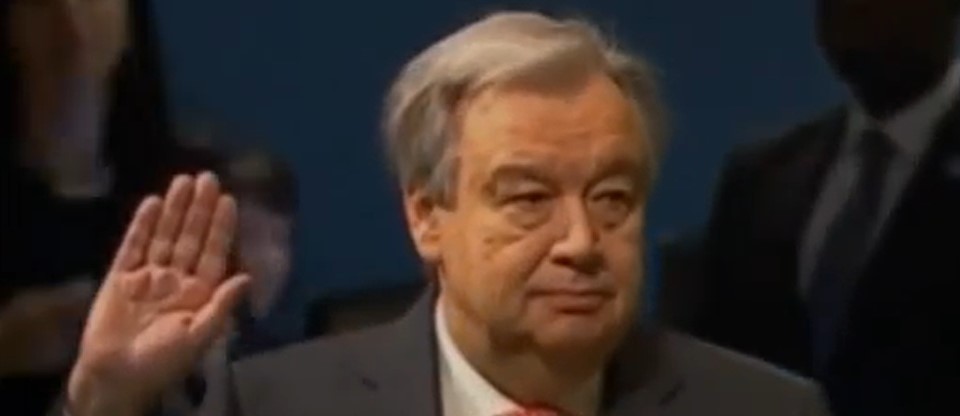
In addition to addressing global challenges, the UN has sought to improve its accountability and democratic legitimacy by engaging more with civil society and fostering a global constituency. In an effort to enhance transparency, in 2016 the organization held its first public debate between candidates for secretary-general. On 1 January 2017, Portuguese diplomat António Guterres, who had previously served as the UN High Commissioner for Refugees, became the ninth secretary-general. Guterres has highlighted several key goals for his administration, including an emphasis on diplomacy for preventing conflicts, more effective peacekeeping efforts, and streamlining the organization to be more responsive and versatile to international needs.
On 13 June 2019, the UN signed a Strategic Partnership Framework with the World Economic Forum in order to "jointly accelerate" the implementation of the 2030 Agenda for Sustainable Development.