Overview
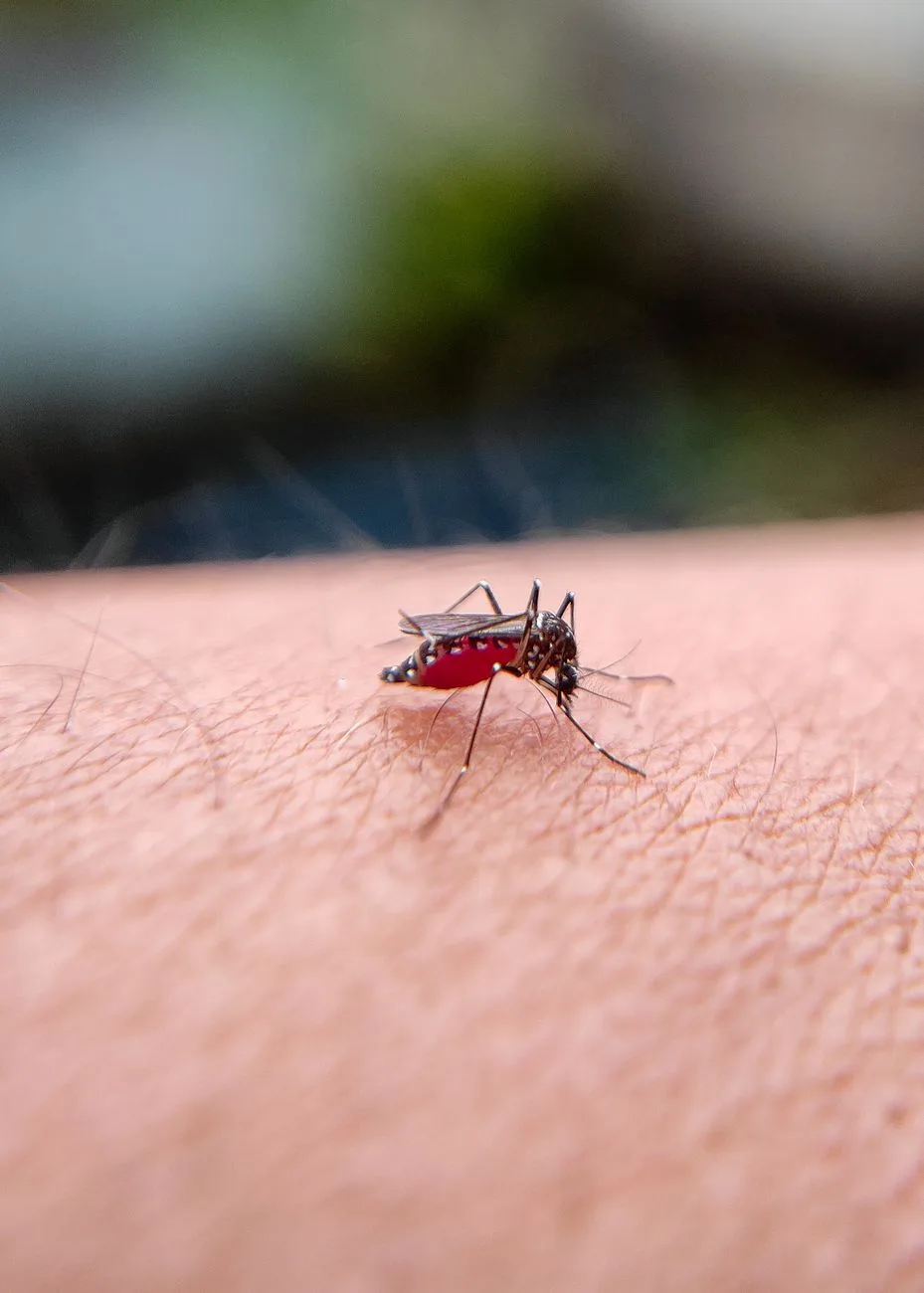
West Nile virus (WNV) is a single-stranded RNA virus that causes West Nile fever. It is a member of the family Flaviviridae, from the genus Flavivirus, which also contains the Zika virus, dengue virus, and yellow fever virus. The virus is primarily transmitted by mosquitoes, mostly species of Culex. The primary hosts of WNV are birds, so that the virus remains within a "bird–mosquito–bird" transmission cycle. The virus is genetically related to the Japanese encephalitis family of viruses. Humans and horses both exhibit disease symptoms from the virus, and symptoms rarely occur in other animals.
Etymology
Contrary to popular belief, West Nile virus was not named after the Nile River, rather, the West Nile district of Uganda where the virus was first isolated in 1937. After its original discovery in this region, it was found in many other parts of the world. Most likely, it spread from the original West Nile district.
Structure
Like most other flaviviruses, WNV is an enveloped virus with icosahedral symmetry. Electron microscope studies reveal a 45–50 nm virion covered with a relatively smooth protein shell; this structure is similar to the dengue fever virus, another Flavivirus. The protein shell is made of two structural proteins: the glycoprotein E and the small membrane protein M. Protein E has numerous functions including receptor binding, viral attachment, and entry into the cell through membrane fusion.
The outer protein shell is covered by a host-derived lipid membrane, the viral envelope. The flavivirus lipid membrane has been found to contain cholesterol and phosphatidylserine, but other elements of the membrane have yet to be identified. The lipid membrane has many roles in viral infection, including acting as signaling molecules and enhancing entry into the cell. Cholesterol, in particular, plays an integral part in WNV entering a host cell. The two viral envelope proteins, E and M, are inserted into the membrane.
From Wikipedia (CC BY-SA 4.0).