Casting
Peter Renaday originally portrayed Eddie Valiant in the original test footage from 1983, while animator Mike Gabriel played him in some publicity photographs. Joe Pantoliano portrayed Eddie Valiant in a screen test in 1986.
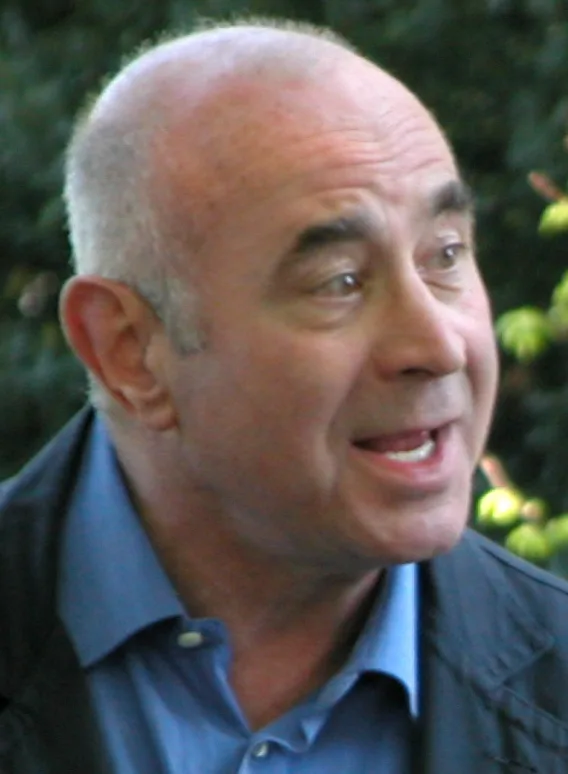
Harrison Ford was Spielberg's original choice to play Eddie Valiant, but his price was too high. Eddie Murphy rejected the role after misunderstanding the film's "toon" concept, a decision he later regretted. In 2025, Murphy elaborated, "[It] sounded ridiculous to me, and I passed on it. And afterwards, I was like, 'Oh, that's fucking amazing.'" Likewise, Paul Newman turned down the role, not liking the film's concept. Bill Murray was also considered for the role, but due to his idiosyncratic method of receiving offers for roles, Murray missed out on it. Ed Harris and James Woods auditioned for the part. Ultimately, Bob Hoskins was chosen by Spielberg because of his acting skill and because Spielberg believed he had a hopeful demeanor and he looked like he belonged in that era.
Paul Reubens originally auditioned for the role of Roger Rabbit and even provided his voice in an early 1983 screen test, but lost out. Eddie Deezen, who had worked with Zemeckis previously, also auditioned for the role, but lost out. The role was eventually given to Charles Fleischer. Before filming, Fleischer was asked to come up with a speech impediment for Roger. He gave Roger a lisp and the stammering catchphrase "P-p-p-please!" as a tribute to all the other famous cartoon characters with speech impediments, which was inspired by Huntz Hall's Sach Jones in The Bowery Boys. He had invented the "cheek flutter" while performing the voice of B.B. in Deadly Friend. His portrayal of Roger was also inspired by Screwy Squirrel. To facilitate Hoskins' performance, Fleischer dressed in a Roger Rabbit costume and "stood in" behind camera for most scenes. Roger was originally designed by Michael Giaimo to resemble and act like Michael J. Fox, but was redesigned by Williams. Williams explained that Roger was a combination of "Tex Avery's cashew nut-shaped head, the swatch of red hair... like Droopy's, Goofy's overalls, Porky Pig's bow tie, Mickey Mouse's gloves, Br'er Rabbit's feet, and Bugs Bunny-like cheeks and ears." Spielberg suggested that Roger's mouth resemble that of Thumper from Bambi (who was made Roger's uncle in the film), but this idea was ignored. Williams also cited Wile E. Coyote as an influence for Roger's expressions, and wanted the character to have ladle-shaped ears, though his animators would sometimes draw Roger with pointy ears similar to Bugs, much to Williams' frustration. He described the process of creating him like an "American flag" with the red overalls, white fur and blue bow tie so that American audiences would enjoy him subliminally.
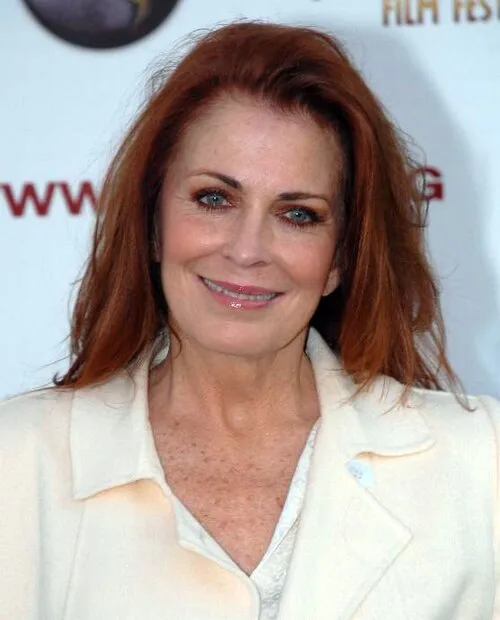
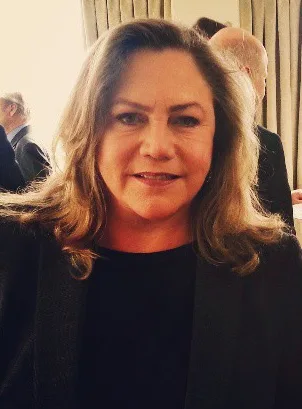
Kathleen Turner was brought along by Zemeckis to provide the uncredited voice of Jessica Rabbit, Roger Rabbit's wife. Zemeckis had worked with Turner in Romancing the Stone. Turner accepted the role because she was pregnant at the time, and "just had to show up and do [Jessica's] voice". Williams explained that Jessica's design and characterization were inspired by Rita Hayworth, Veronica Lake's peek-a-boo hairstyle, and Lauren Bacall, describing the combination as an "ultimate male fantasy, drawn by a cartoonist". Joanna Cassidy, who was cast as Dolores, dyed her natural red hair brown to differentiate Dolores from Jessica, and did her own makeup for the role, basing it on Joan Crawford.
Tim Curry auditioned for the role of Judge Doom, but was rejected because the producers found him too terrifying. Christopher Lloyd was cast because he previously worked with Zemeckis and Spielberg on Back to the Future. He compared his part as Doom to his previous role as the Klingon commander Kruge in Star Trek III: The Search for Spock, both overly evil characters which he considered "fun to play". He avoided blinking his eyes while on camera to portray the character.
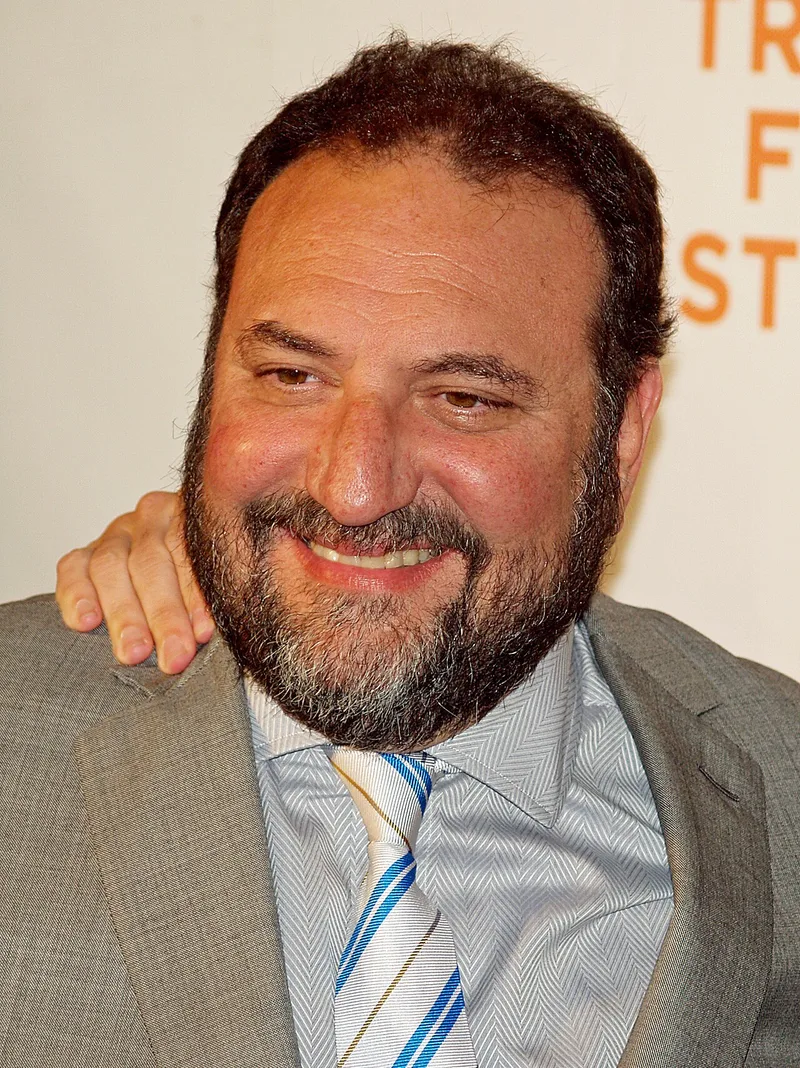
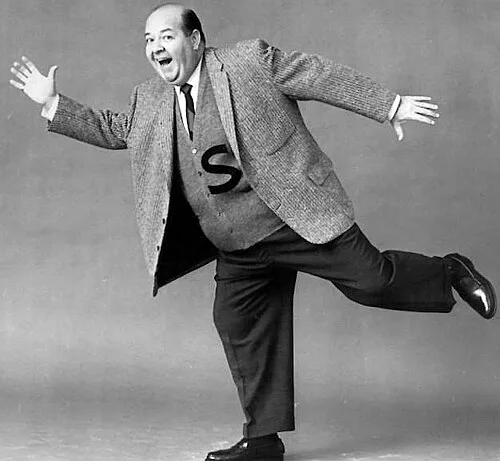
Lou Hirsch auditioned to play a human character in the film, but ended up providing the voice of Baby Herman instead, which Hirsch described as "a combination of Wallace Beery and his [British] friends imitating [him]". Williams stated that Herman's design was a combination of "Elmer Fudd and Tweety crashed together". Fleischer also voiced Benny the Cab, Psycho, and Greasy. Lou Rawls was the original choice for Benny the Cab but was replaced by Fleischer. Jim Cummings was originally going to voice some of the weasels. Joel Silver was cast as Raoul J. Raoul, the frustrated director of the cartoon Somethin's Cookin', as part of a prank aimed at Disney CEO Michael Eisner, who had a strained relationship with Silver. Silver shaved his beard and paid his own expenses to not have his name in initial cast lists. When Eisner learned of Silver's casting as Raoul after production wrapped, he praised the performance.
Russi Taylor and Tony Pope recorded some scenes as Minnie Mouse and Goofy, respectively, but said scenes did not make the final cut, despite the former actor being listed in the end credits. Additional toon voices were provided by a loop group consisting of Frank Welker, Bill Farmer, Nancy Cartwright, Anne Lockhart, Jack Angel, Mickie McGowan, and others; Welker voiced Dumbo, Farmer recorded a couple of lines for Goofy for the ending scene (though they would be re-recorded by Pope in the final version), and Cartwright provided the vocal effects of a toon shoe.
Mel Blanc reprised his roles as Bugs Bunny, Daffy Duck, Porky Pig, Tweety, and Sylvester the Cat, alternating with his son Noel Blanc during production. Blanc had intended to voice Yosemite Sam and Foghorn Leghorn, but could not do the voices properly as they had become rough on his vocal chords, thus he was replaced with Joe Alaskey. However, a scene featuring Foghorn was cut from the final version. Blanc also could not do Daffy's "woo-hoos" as energetic as he used to, so animator Dave Spafford filled in for him. Bob Bergen recorded Porky's line of dialogue at the end of the film, despite not having done the character professionally at the time, but was replaced with Blanc.
Williams provided the voice of Droopy, whom he stated years later was his favorite cartoon character. Mary Healey recorded Betty Boop's original lines after Mae Questel had dropped out. However, Healey was replaced by Questel, who was brought back to reprise the role. Cherry Davis voiced Woody Woodpecker, having been selected by Walter Lantz to voice the character following his wife Grace Stafford's retirement from the role. The toons' singing voices for "Smile, Darn Ya, Smile!" in the scene in which Eddie arrives in Toontown were performed by the loop group, with Bill Farmer doing Goofy's singing voice. The song's reprisal at the end of the film was performed by most of the animators, recorded during a wrap party at the Barbican Centre in London.





.jpg?width=400)