Be the first in the room — members see you arrive.
Join the roomNot who you're looking for? Others named Yes: satellite television provider in Israel · single by McAlmont and Butler · Unix command · song by LMFAO
Open questions
On Watch
 All in With Chris Hayes 10/2/26 | 🅼🆂🅽🅱️🅲 Breaking News Today October 2, 2026Quick view
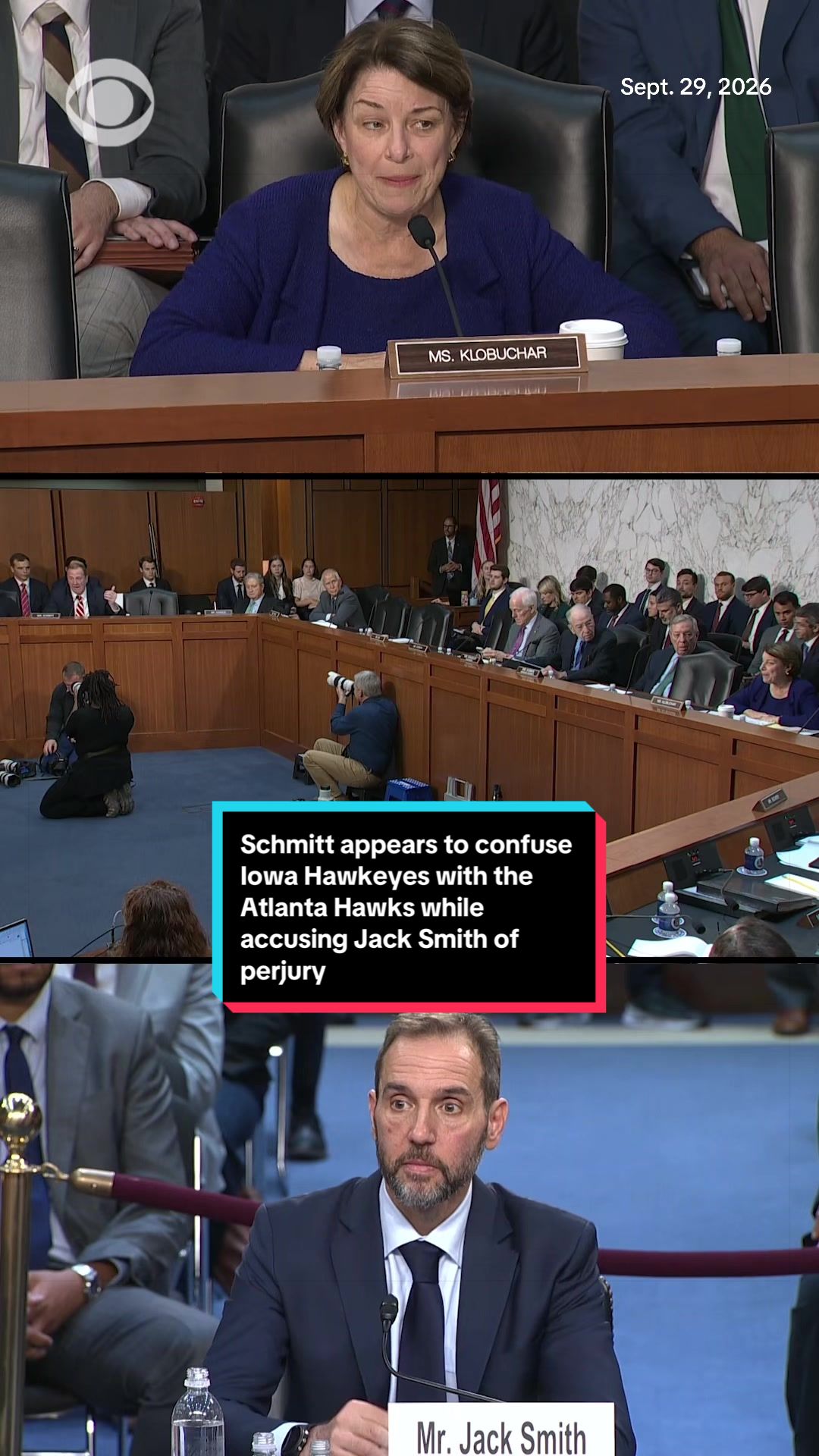 Former special counsel Jack Smith was pressed by Sen. Eric Schmitt (R-MO) on Tuesday during his testimony before the Senate Judiciary Committee about whether he attended a NBA game between the Atlanta Hawks and Golden State Warriors in Atlanta in early February 2024. Smith said he “definitely did not go" to an Atlanta Hawks game. "I think you've already perjured yourself," Schitt said during the exchange, calling Smith a "total dirtbag." Smith said he instead attended a Maryland-Iowa women’s basketball game to see Iowa star Caitlin Clark play. Sen. Amy Klobuchar (D-MN) suggested Schmitt had confused the Iowa Hawkeyes with the Atlanta Hawks and said Smith deserved an apology.cbsnewsyesss sportssss👌🏽🥹🥹 シ゚viral
 In the Arcade
Studio characters