




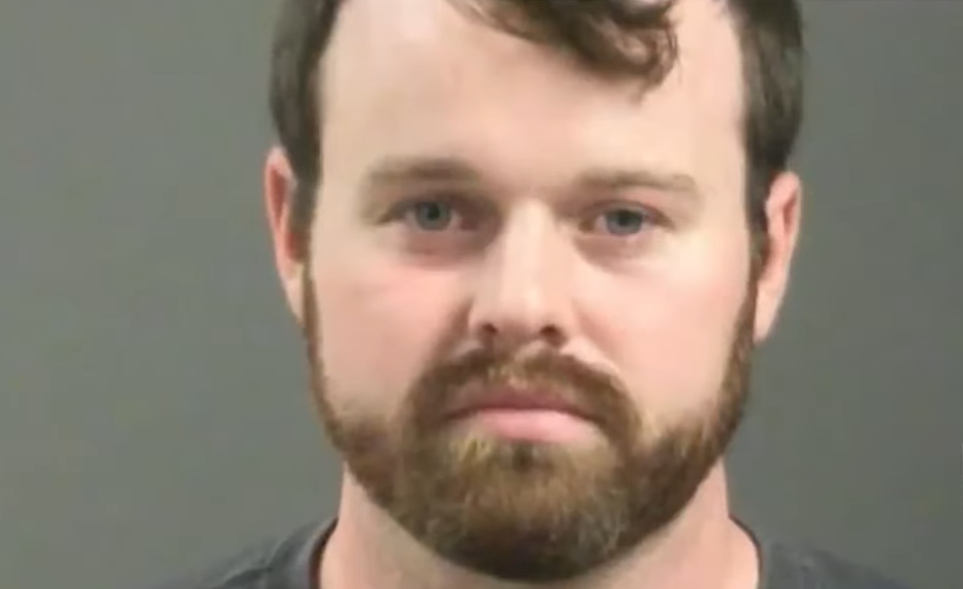
The criminal case against Joseph Duggar is increasingly centered on statements investigators say he made — words that could play a pivotal role as proceedings move forward.
Duggar is expected in court Monday as prosecutors lean on a Florida affidavit that highlights what they describe as his own admission during key conversations, per Fox News.
According to investigators, Duggar acknowledged inappropriate contact with a minor and stated his “intentions were not pure” during both a confrontation with the girl’s father and a recorded call coordinated with law enforcement.
Legal experts say that phrasing could carry significant weight.
“It is evidence of intent, the victim, and the timing of the alleged abuse,” former federal prosecutor Neama Rahmani told Fox News Digital.
“His lawyers will try to argue that it is too vague and attenuated and try to get it excluded on that basis. I don’t think they will be successful because the statement was made in the context of Duggar also admitting to inappropriate touching under a blanket. A judge is unlikely to separate the two statements, and this is why pretext calls like this can be so powerful if they lead to incriminating evidence.”
Duggar, known for appearing on 19 Kids and Counting, was arrested March 18 in Arkansas after a now-14-year-old girl alleged he touched her inappropriately during a 2020 family vacation when she was 9.
Court records show Brantley Clark set bond at $600,000 after Duggar pleaded not guilty on March 31. He later posted bail.
The affidavit outlines the allegations in detail, including repeated requests for the girl to sit on Duggar’s lap and instances where he allegedly covered them with a blanket.
Investigators say the girl reported inappropriate touching that made her feel “uncomfortable and confused,” and that Duggar later apologized.
Defense attorney Duncan Levin said the statement about intent could be used strategically by prosecutors.
“‘My intentions were not pure’ is the kind of statement prosecutors love because they can frame it as a confession without the defendant ever fully confessing,” Levin said. “It gives them language they can put in front of a jury and say, in effect, he told you himself. But from a defense standpoint, that phrase is still frustratingly vague.”
“It is not a clear admission to a criminal act,” he added. “It could reflect shame, sinful thoughts or inappropriate intent, but criminal cases are supposed to turn on proof of conduct, not ambiguous language.”
Attorney Tom Maronick noted that juries must rely on evidence, not perception.
“The public hears language like this and frequently forms conclusions about guilt before any evidence is presented,” Maronick said. “However, a jury is held to a different standard. The legal system operates on facts, statutory elements, and provable evidence, not public sentiment or emotional interpretation.”
“A single ambiguous statement, unsupported by corroborating criminal conduct, represents a significant gap between accusation and conviction,” he added.












