Seats and incumbents from the public congress-legislators dataset; candidates from FEC filings and Wikipedia polling rosters; polls and aggregation averages via Wikipedia contributors (CC BY-SA) and public polling exports. The community pick is an unscientific reader poll. All active races →
Border enforcement & immigration law:Supports creating a $10 million legal defense fund for immigrants and directing arrests of ICE agents violating state law.[1]
Energy production:Supports allowing municipalities to take over electric utilities from private companies.[1]
Health care:Supports aid in dying for adults with terminal illness.[1]
Housing costs:Supports increasing housing production by allowing certain multi-family housing by right.[1]
Marijuana legalization:Supports regulating marijuana similarly to cigarettes and liquor.[1]
Schools:Supports a minimum starting teacher salary of $60,000.[1]
Taxes:Supports raising taxes on the wealthy to fund greater state investments in services.[1][2][3]
Abortion:Opposes modernizing abortion laws by removing medically unnecessary restrictions.[1]
Border enforcement & immigration law:Supports reducing taxpayer spending on illegal immigration and reversing 2019 sanctuary state policies.[1][2]
Crime & policing:Supports reforming 2020 anti-police legislation, closing parole loopholes for violent offenders, and reinstating proactive policing.[1]
EV mandates:Opposes subsidies for EV chargers, heat pumps, and other programs that increase electricity demand or costs.[1][2]
Energy costs:Supports eliminating the public benefits charge to cut electric bills by 20 percent.[1][2][3]
Energy production:Supports eliminating the public benefits charge on electric bills to reduce rates by 20%, expanding natural gas capacity, and cutting ratepayer-funded renewable subsidies.[1][2][3]
Gun policy:Opposes bans on open carry, large capacity magazines, and other gun control measures in omnibus legislation.[1]
Health care:Supports reforming health care to cut costs by five to 10% through improved competition and choice.[1]
Housing costs:Supports local control of zoning decisions while improving affordability through reduced construction costs and middle-income housing options.[1]
Regulation & permitting:Supports reducing excessive regulatory burden and streamlining regulations to encourage economic growth.[1]
Taxes:Supports the biggest income tax cut in state history, reducing middle class taxes by about $1,500 for the average family, and capping property taxes.[1][2]
Veterans:Supports streamlining veteran services, reducing costs and fees, recognizing out-of-state licenses, and supporting employment opportunities.[1]
 2026 Connecticut attorney general race · same ballot
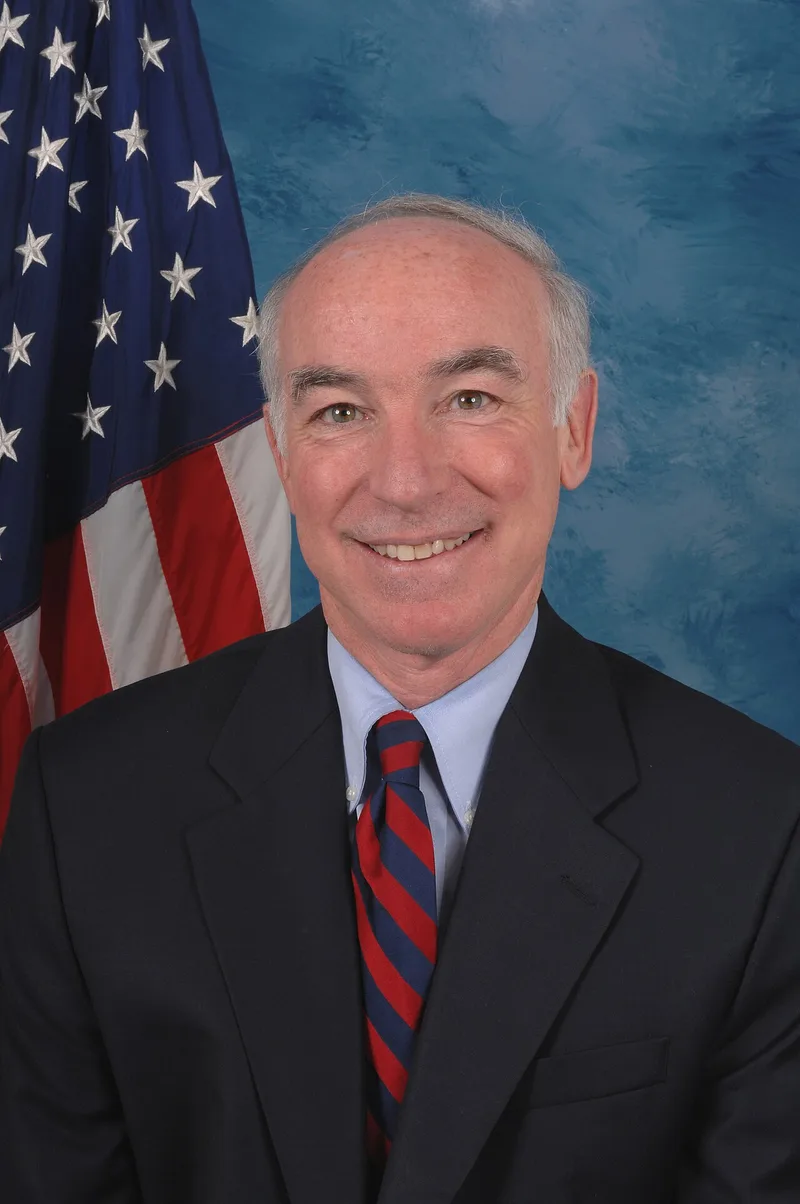 2026 Connecticut House race — Joe Courtney's seat · same ballot
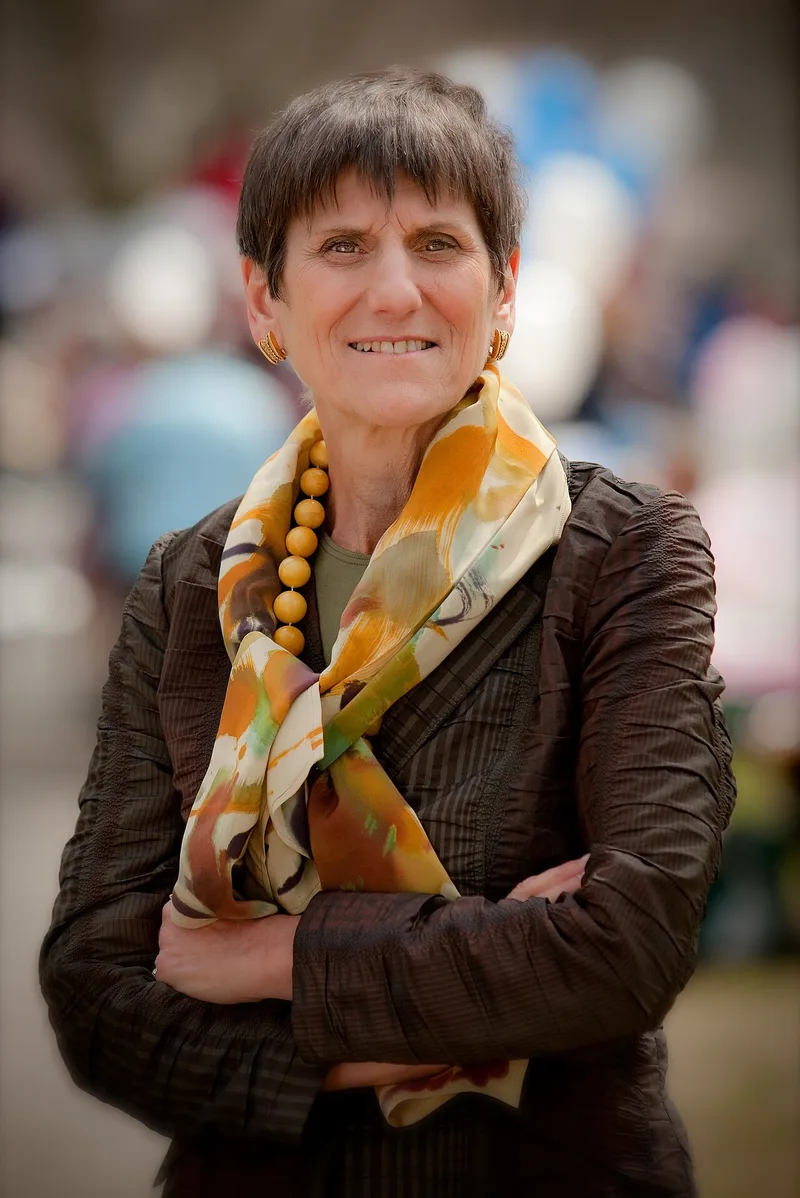 2026 Connecticut House race — Rosa L. DeLauro's seat · same ballot
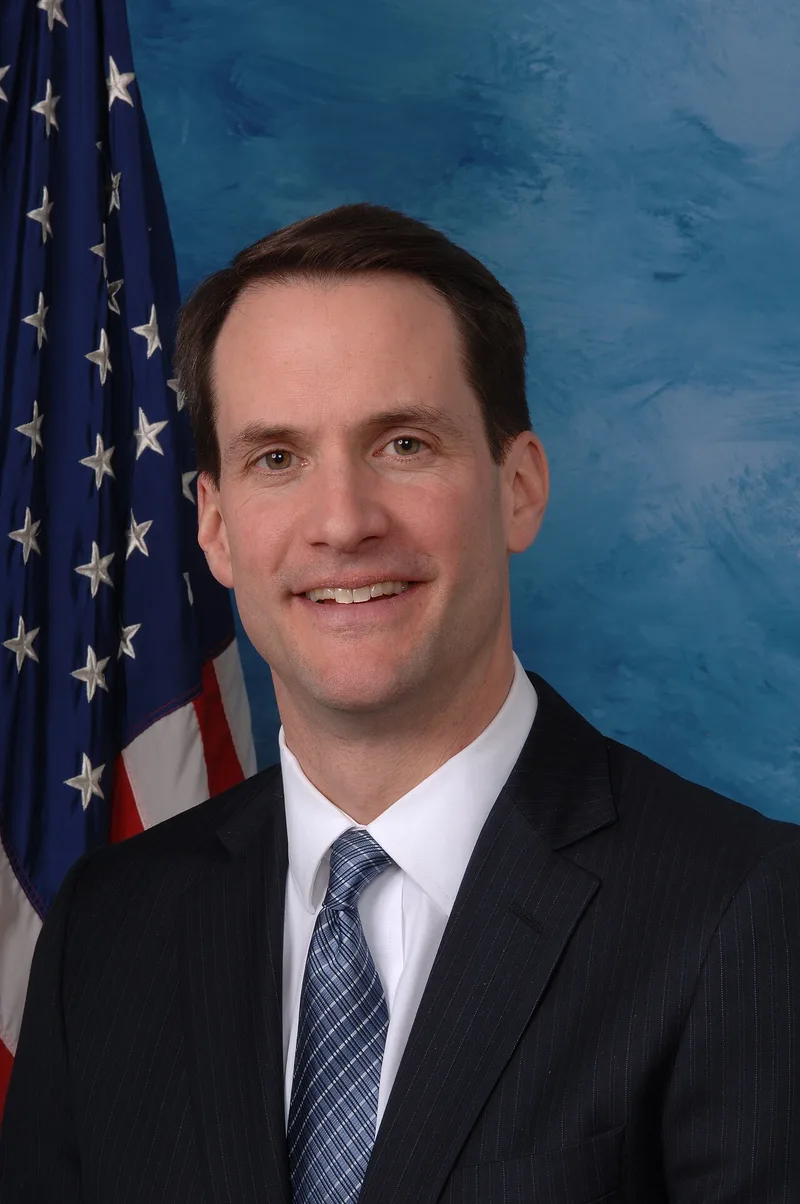 2026 Connecticut House race — James A. Himes's seat · same ballot
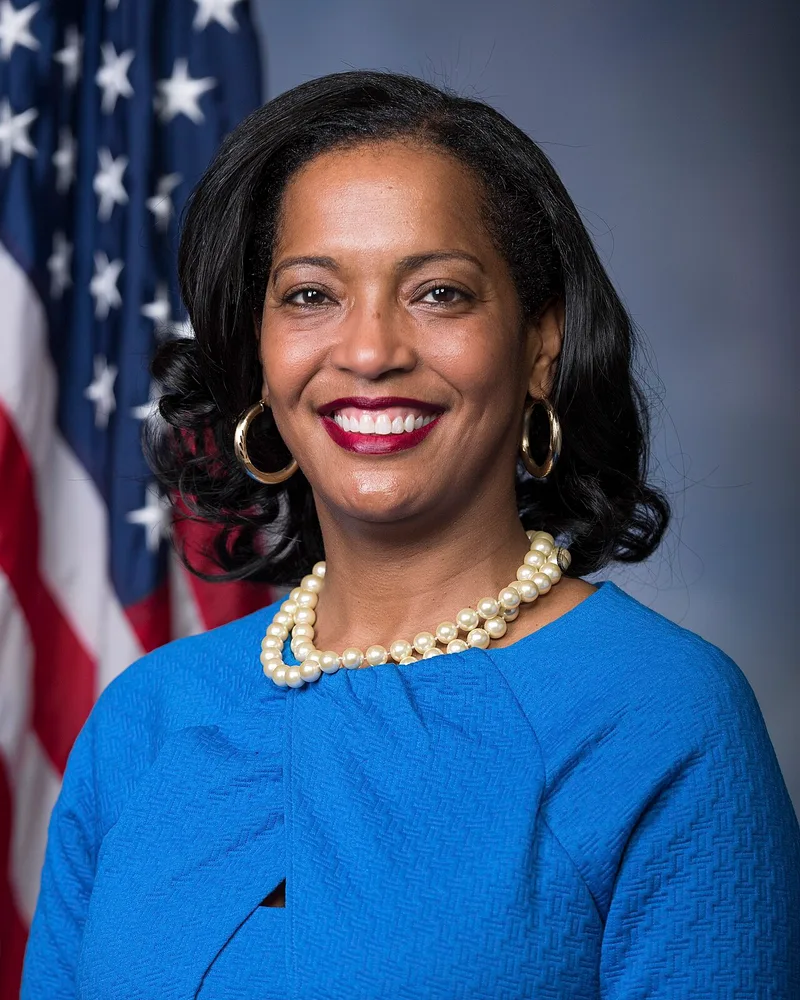 2026 Connecticut House race — Jahana Hayes's seat · same ballot2026 Connecticut House race — John B. Larson's seat · same ballot