



Poland’s foreign minister announced Sunday that a planned auction of Holocaust artifacts in Germany has been canceled following protests from Holocaust survivors.
Radoslaw Sikorski, posting on X, said he and German Foreign Minister Johann Wadephul “agreed that such a scandal must be prevented.” Sikorski thanked Wadephul for informing him that the auction would not proceed.
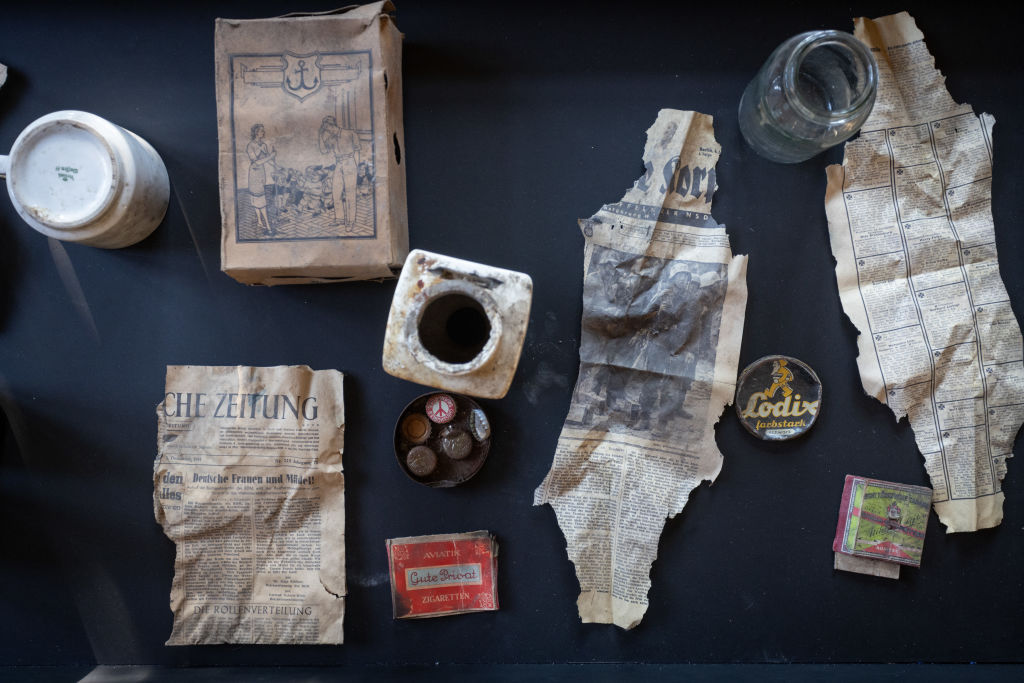
According to The Associated Press, the sale, originally scheduled for Monday at the Felzmann auction house in Neuss, near Düsseldorf, had included hundreds of items documenting the Holocaust.
These artifacts reportedly included letters from concentration camp prisoners, Gestapo index cards, and other documents identifying victims by name.
A listing for the auction, which the German news agency dpa reported contained over 600 lots under the title “The System of Terror,” was removed from the Felzmann website Sunday afternoon. The auction house did not immediately respond to calls, emails, or text messages.
Christoph Heubner, executive vice president of The International Auschwitz Committee, called the auction a “shameless undertaking that leaves them outraged and speechless.”
“Their history and the suffering of all those persecuted and murdered by the Nazis is being exploited for commercial gain,” Heubner said. He noted that many documents contained identifiable names of victims.
Heubner argued that Holocaust artifacts “belong to the families of the victims. They should be displayed in museums or memorial exhibitions and not degraded to mere commodities.”
The International Auschwitz Committee had urged Felzmann to cancel the auction, saying it showed “basic decency” to do so.
The cancellation comes after widespread condemnation from survivor groups and diplomatic engagement between Poland and Germany. Sikorski’s announcement underscores the sensitivity surrounding Holocaust artifacts and the strong reactions of both survivors and international officials to their commercial sale.
The decision was welcomed by Holocaust advocacy organizations, who said it respected the memory of victims and prevented the exploitation of personal and historical documents for profit.