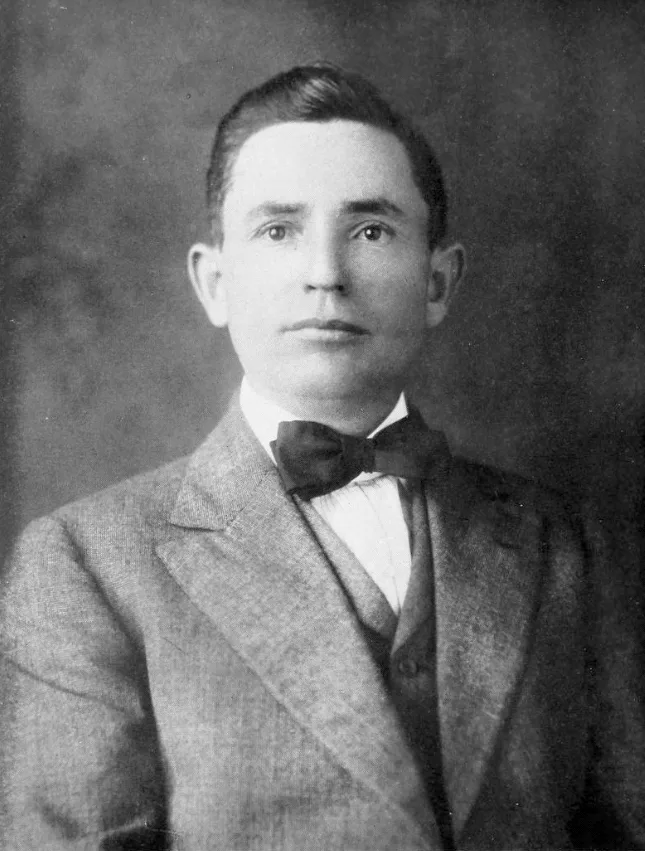
This case involved a lawsuit by the surviving relatives of Leonard Turner seeking damages for an alleged libel published about him after his death by the defendants in Crime Detective. The court considered a motion to dismiss by the served defendant, focusing solely on whether Oklahoma law permits recovery for libel against a deceased person by their estate or relatives. At common law, no such cause of action survived death or extended to relatives, and the court examined various Oklahoma statutes, including those defining libel (which includes vilifying the memory of the dead), providing for abatement of libel actions upon death, and addressing threats of libel. The court held that these statutes did not create a new right of recovery or alter the common law rule, as they either defined libel without imposing liability, dealt with intent in threats rather than executed publications, or explicitly provided for abatement. Accordingly, the motion to dismiss was sustained.
The case involved a member of the Creek Nation suing an oil company in state court for an accounting of the value of casinghead gas produced and sold from her allotted lands under a federally approved oil and gas lease. The defendant removed the action to federal district court on the ground that it arose under federal law, and the plaintiff moved to remand. The court determined that the plaintiff's petition on its face showed the dispute required application of the Act of Congress of May 27, 1908, and Interior Department regulations incorporated into the lease, which expressly addressed casinghead gas and required royalties to be paid to the Superintendent of the Five Civilized Tribes. Because the petition alleged no failure by the lessee to comply with those lease terms and regulations, the court concluded no cause of action was stated, denied the motion to remand, and dismissed the case.
federal powerpropertyprocedurebusiness & regulatory
This case involved a dispute between the United States and Oklahoma state officials, including the Governor, Attorney General, and members of the State Highway Commission, over the completion of a dam and hydroelectric project built by the Grand River Dam Authority with federal loans and grants. The state officials sought to halt construction because the dam would flood certain public roads and highways, using military force and state court orders to interfere. The court found that the United States held all outstanding bonds secured by a prior lien on project revenues and had made substantial grant payments, giving it superior property interests. It concluded that any state claims for damages or relocation costs were subordinate to those federal interests. The court therefore granted a preliminary injunction restraining further interference by state officials with the dam's closing and completion.
This case involves a dispute over whether banks holding insurance policies pledged as security for a debt must surrender the policies and their proceeds after the statute of limitations barred any action to enforce the debt. The court ruled that under Oklahoma law, a pledgee in possession is entitled to retain the pledged property and collect on it until the underlying debt is satisfied, even though affirmative foreclosure actions are time-barred. The reasoning interprets the relevant statute (Sec. 10957, O.S.1931) as extinguishing only the right to sue on the obligation, not the possessory lien rights, drawing on Oklahoma precedents treating mortgagees in possession similarly and extending that protection to pledgees. The opinion also confirms the validity of the pledge arrangement through constructive possession by the banks via the insurance company holding the policies.
This case involved the Grand River Dam Authority, a state-created public corporation, filing a federal condemnation action to acquire private lands for a reservoir as part of constructing a dam and hydroelectric power plant on the Grand River in Oklahoma. The defendants moved to dismiss on grounds that the Federal Power Commission lacked authority to issue a license because the river was non-navigable, that Congress could not constitutionally delegate licensing power, and that the license was void for lack of notice to affected landowners. The court overruled the motion, holding that the project would affect navigable stages of the Arkansas River and interstate commerce, that the Commission had properly issued the license under the Federal Power Act with any required notice presumed given, and that federal jurisdiction over the condemnation proceeding was conferred by Section 21 of the Act.
The case concerned whether the administratrix of a bankrupt debtor's estate could recover sums paid to banks from the proceeds of life insurance policies that had been assigned as collateral for the debtor's loans. The debtor had obtained a bankruptcy discharge, after which the banks filed claims noting their security interests in the policies and other assets; following the debtor's death, the administratrix directed payment to the banks from the policies. She later sued, asserting that the debts had been discharged, that the assignments were invalid or junior, and that the payments resulted from mistake or unjust enrichment. The court held that the banks held valid, enforceable pledges that survived the discharge, that no mutual mistake of fact or law occurred, and that the voluntary payments could not be recovered, resulting in dismissal of the complaint.