Judicial data via CourtListener (Free Law Project). Social links via Wikidata.
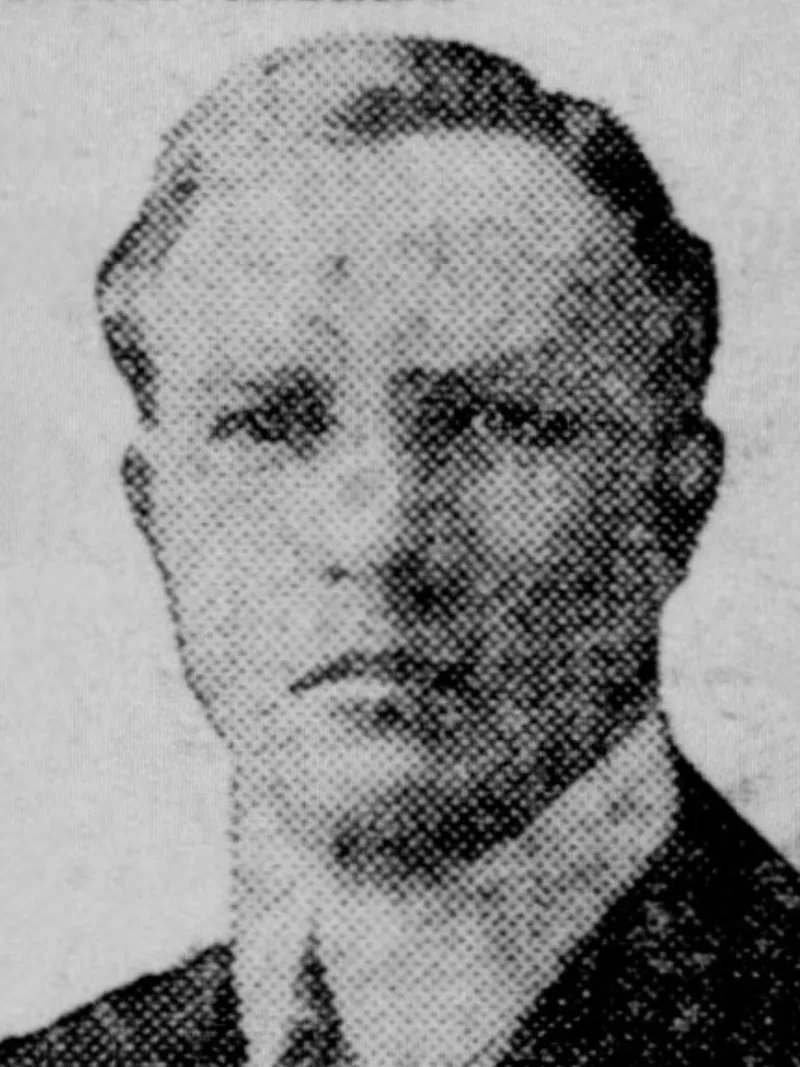
McKesson v. Lowery
California Supreme Court · 1959-03-02 · cited 7×
The case concerned whether William McKesson, appointed as Los Angeles County District Attorney in 1956 to fill a vacancy and then elected in 1958 to the unexpired term, could receive a salary increase enacted in 1957, given state constitutional and county charter rules barring compensation changes during an officer's term. The California Supreme Court granted the writ of mandate, holding that McKesson was entitled to the higher salary from the start of his elected term. The majority reasoned that the prohibitions target the risk of officials influencing raises after election, a concern absent when the increase precedes the election, and that the rules do not apply to bar such pre-election raises for elected successors to unexpired terms. Dissenting justices argued the constitutional language covers any officer and any part of the term regardless of appointment or election.
electionslabor & employment
In Re Dennis
California Supreme Court · 1959-03-02 · cited 46×
In this habeas corpus case, Barney Dennis, convicted in 1954 on multiple counts of assault with intent to murder and assault with a deadly weapon after pleading not guilty by reason of insanity, challenged his confinement on the ground that he was tried and sentenced while insane. Multiple uncontradicted psychiatric reports filed before trial concluded that Dennis suffered from schizophrenia, was insane at the time of the offenses and at trial, and could not cooperate with counsel, yet the trial court proceeded without suspending the action under Penal Code sections 1367 and 1368 to determine his sanity. The California Supreme Court held that the presumption of sanity was overcome by the evidence and that the failure to follow the statutory procedure violated the defendant's rights, requiring the conviction to be set aside. The court granted the writ, ordered Dennis transferred to the custody of the San Diego County sheriff, and directed the trial court to determine his present sanity and, if appropriate, retry the issue of his sanity at the time of the offenses.
criminal lawprocedure
People v. Bernstein
California Supreme Court · 1959-02-27
This case involved an appeal by the People from a trial court's order dismissing an information charging Dr. William G. Bernstein with two counts of contributing to the delinquency of minors under Welfare and Institutions Code section 702. The charges stemmed from allegations that Bernstein's conduct of living with Mrs. Beverly Enns as husband and wife, including his presence in her home and interactions observed by her children, tended to encourage the minors to lead idle, lewd, dissolute, or immoral lives. The court affirmed the dismissal, holding that the evidence from the preliminary hearing failed to establish probable cause as a matter of law, since the observed conduct in the children's presence—such as Bernstein being in the home, on the bed with the mother, and seen in underclothing—did not tend to cause the children to lead such lives. The core reasoning emphasized that the statute requires acts done directly in relation to the minors that have an untoward effect, not merely conduct between adults that might be viewed as immoral by others, and that the trial court properly set aside the information when no such evidence existed.
criminal lawfamily law
Gonzi v. Superior Court
California Supreme Court · 1959-02-17 · cited 25×
In this case, a minor plaintiff in a personal injury action arising from a vehicle accident sought a writ of mandate after the trial court ordered her to submit to a physical examination by the defendants' doctor but denied her request to have a certified court reporter present (while allowing her attorney to attend). The California Supreme Court granted the writ, holding that the plaintiff was entitled to have a reporter present during the examination. The court reasoned that, consistent with its prior decision in Sharff v. Superior Court permitting an attorney's presence, a reporter ensures an accurate, disinterested record of any questions asked and statements made, preventing potential disputes at trial over the examination's content. It further concluded that a physician's written report under Code of Civil Procedure section 2032 would not adequately substitute for a reporter's transcript.
proceduretorts & liability
Santa Fe Transportation Co. v. State Board of Equalization
California Supreme Court · 1959-02-06 · cited 35×
The case concerned whether Santa Fe Transportation Company, a railway subsidiary performing intracity pickup and delivery services as part of intercity freight transport under railway bills of lading, owed California's 3% motor vehicle transportation license tax on the gross receipts from those city operations. The company sought a refund of taxes paid under protest, arguing that the intracity services were exempt under Rev. & Tax. Code section 9653 because they occurred wholly within cities without traversing public highways outside city limits. The California Supreme Court reversed the lower court's judgment for the company, holding that the pickup and delivery services were inseparable from the taxable intercity line-haul operations and thus not exempt, as the statute's exemption applies only to entirely intra-city operations and lacks a proration mechanism for property shipments (unlike passenger transport).
taxesbusiness & regulatory
Vangel v. Vangel
California Supreme Court · 1959-02-03 · cited 7×
This case involved a dispute among three brothers who formed a partnership in 1944 to purchase and operate a citrus ranch, with each holding a one-third interest. After operations began, conflicts arose leading Nick and Ernest Vangel to sue for dissolution in 1946; the partnership was dissolved effective June 15, 1950, with Charles found to have wrongfully caused the dissolution. The court allowed Nick and Ernest to purchase Charles's interest, valuing it at 23.96 percent of the partnership net worth after accounting for loans, withdrawals, and post-dissolution profits from crops, while denying him wages for voluntary services rendered after dissolution. The judgment affirmed prior appellate rulings on valuations, profit participation until May 1953, and related accounting matters, finding no errors in the trial court's computations or factual determinations following multiple trials.
business & regulatoryproperty



