
🐉Best JRPGs of All Time
JRPGs built the foundation of story-driven RPGs with turn-based combat, memorable characters, and sweeping narratives that still influence games today. From 16-bit classics to modern reinventions, the genre's peaks remain fiercely debated by fans. Vote to rank them.
What counts: Best means lasting influence, critical reception, and cultural impact within JRPGs. Figures are approximate.
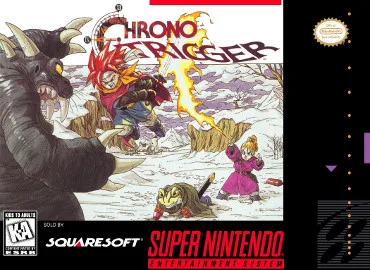
Chrono Trigger perfected the JRPG formula in 1995 with time-travel storytelling and multiple endings that rewarded exploration. Its brisk pacing and seamless combat system set a benchmark few later entries matched. The game remains the clearest argument for why 16-bit JRPGs still feel modern.
Year: 1995Metacritic: 96/10Sales: 3.5 MDeveloper: SquareInnovation: 9.5/10
- Multiple endings
- Tight pacing
- Iconic soundtrack
- Short main story
- Limited post-game
- Dated graphics today
added by Yourlist Editorialin 10 rankingsChrono Trigger
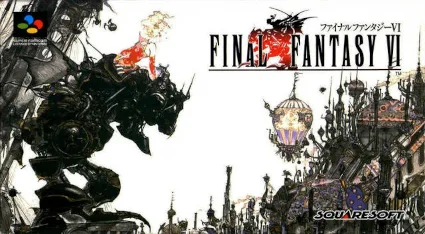
49Final Fantasy VI delivered an ensemble cast and operatic narrative that expanded what JRPG plots could achieve on the SNES. Its world-spanning second half and flexible character system remain influential. The game earns its place by proving emotional stakes could rival mechanical depth.
Year: 1994Metacritic: 91/10Sales: 3.8 MDeveloper: SquareInnovation: 9.3/10
- Large cast
- Strong story
- Job-like flexibility
- Uneven character balance
- Random encounters
- Dated translation
added by Yourlist Editorialin 6 rankingsFinal Fantasy VI
44Persona 5 fused stylish UI, social simulation, and dungeon crawling into a single addictive loop that defined modern JRPGs. Its 2016 release reset expectations for how much personality a turn-based game could carry. The game's visual flair and thematic depth keep it at the center of current debates.
Year: 2016Metacritic: 93/10Sales: 5 MDeveloper: AtlusInnovation: 9.2/10
- Stylish presentation
- Deep social links
- Excellent soundtrack
- Long tutorial
- High difficulty spikes
- Repetitive dungeons
added by Yourlist Editorialin 4 rankingsPersona 5
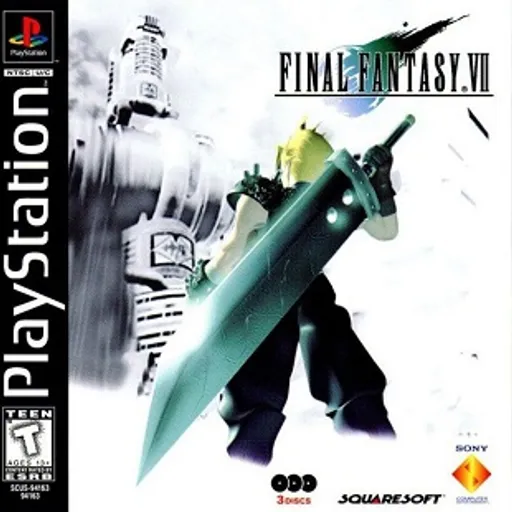
41Final Fantasy VII brought cinematic storytelling and 3D worlds to mainstream audiences, making JRPGs a global phenomenon. Its mid-game twist and eco-terrorism themes sparked conversations that still echo. The title's commercial dominance and cultural footprint justify its perennial top ranking.
Year: 1997Metacritic: 92/10Sales: 14 MDeveloper: SquareInnovation: 9/10
- Cinematic story
- Massive sales
- Memorable villain
- Dated graphics
- Uneven pacing
- Random encounters
added by Yourlist Editorialin 7 rankingsFinal Fantasy VII
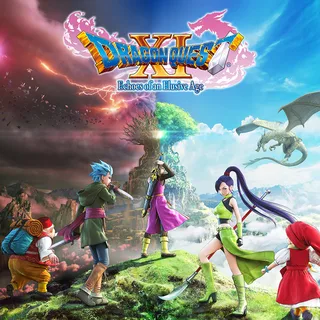
26Dragon Quest XI revived the classic JRPG structure with modern polish and delivered the series' strongest sales in the West. Its straightforward quest and memorable monster designs proved timeless formulas still work. The title stands as the clearest recent case for pure traditional JRPGs.
Year: 2017Metacritic: 87/10Sales: 6.5 MDeveloper: Square EnixInnovation: 7.5/10
- Charming world
- Strong sales
- Traditional gameplay
- Predictable story
- Slow start
- Limited innovation
added by Yourlist Editorialin 2 rankingsDragon Quest XI
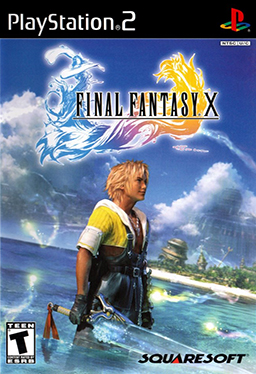
23Final Fantasy X introduced voice acting and a sphere-grid system that let players customize characters freely. Its linear journey and blitzball mini-game created memorable set pieces. The title remains a benchmark for how JRPGs handled emotional closure.
Year: 2001Metacritic: 92/10Sales: 8.5 MDeveloper: SquareInnovation: 8.5/10
- Voice acting debut
- Sphere grid freedom
- Memorable ending
- Linear world
- Voice acting quality varies
- Grindy post-game
added by Yourlist Editorialin 5 rankingsFinal Fantasy X
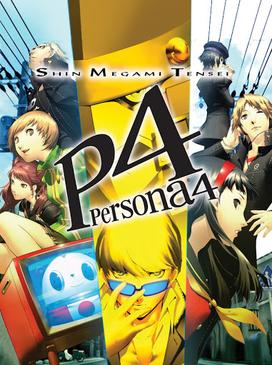
19Persona 4 refined the social-link system and murder-mystery premise into a cohesive whole that defined the series for many fans. Its small-town setting and character focus created intimate stakes. The game earns its ranking through tight integration of daily life and dungeon crawling.
Year: 2008Metacritic: 87/10Sales: 1.2 MDeveloper: AtlusInnovation: 8.8/10
- Strong characters
- Social sim depth
- Memorable music
- Dated visuals
- Some grinding
- Limited party options
added by Yourlist EditorialPersona 4
17Dragon Quest VIII brought 3D visuals and a charming overworld to the series while keeping its classic structure intact. Its monster-taming and vocation systems added layers without complexity. The game stands out for proving traditional JRPGs could evolve visually without losing identity.
Year: 2004Metacritic: 87/10Sales: 4.9 MDeveloper: Level-5Innovation: 7.8/10
- Beautiful visuals
- Charming story
- Monster recruiting
- Slow pacing
- Random encounters
- Limited voice acting
added by Yourlist Editorialin 2 rankingsDragon Quest VIII
13Nier: Automata used multiple playthroughs and philosophical themes to push JRPG narrative ambition further than most contemporaries. Its fluid action combat and soundtrack created emotional highs rarely matched. The game claims a top spot by proving experimental structure can still deliver classic JRPG payoffs.
Year: 2017Metacritic: 88/10Sales: 6 MDeveloper: PlatinumGamesInnovation: 9.4/10
- Multiple endings
- Fluid combat
- Soundtrack quality
- Repetitive side quests
- Abrupt difficulty
- UI clutter
added by Yourlist Editorialin 4 rankingsNieR: Automata
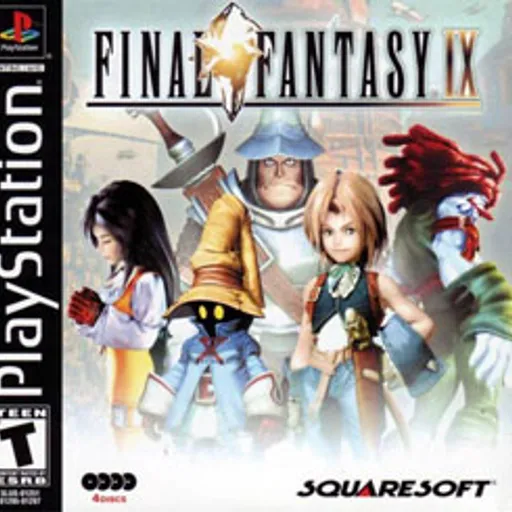
10Final Fantasy IX returned to fantasy roots with a whimsical tone and deep job system that many consider the series peak. Its character arcs and theatrical presentation stood out amid the PlayStation 2 transition. The game earns its spot by balancing nostalgia with mechanical richness.
Year: 2000Metacritic: 94/10Sales: 5.3 MDeveloper: SquareInnovation: 8.2/10
- Charming cast
- Job system depth
- Strong narrative
- Slower combat
- Backtracking sections
- Uneven difficulty
added by Yourlist Editorialin 2 rankingsFinal Fantasy IX
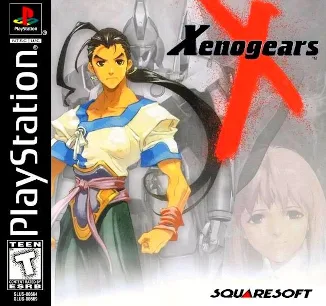
9Xenogears delivered a dense, philosophical story and gear-based combat that pushed the PlayStation's narrative limits. Its second disc's experimental format remains a bold risk. The game secures a high place by demonstrating how JRPGs could tackle existential themes.
Year: 1998Metacritic: 84/10Sales: 1.2 MDeveloper: SquareInnovation: 9.1/10
- Ambitious plot
- Gear combat
- Thematic depth
- Rushed second disc
- High difficulty
- Sparse production values
added by Yourlist Editorialin 2 rankingsXenogears
7Golden Sun combined puzzle-solving with deep psynergy-based combat on the GBA, creating a portable JRPG that felt expansive. Its elemental system and character classes rewarded experimentation. The game earns its legacy through technical ambition on limited hardware.
Year: 2001Metacritic: 86/10Sales: 1.5 MDeveloper: CamelotInnovation: 8/10
- Puzzle integration
- Elemental system
- Strong visuals
- Linear story
- Random encounters
- Sequel required
added by Yourlist EditorialGolden Sun
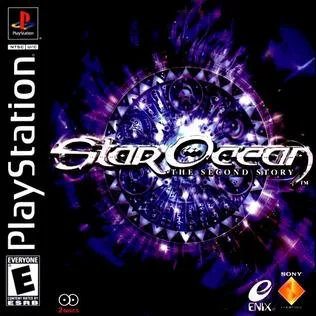
2Star Ocean: The Second Story mixed real-time action combat with skill-based crafting and multiple endings on the PlayStation. Its sci-fi setting and party interaction stood out from fantasy norms. The title claims its spot by expanding JRPG boundaries into action-RPG territory.
Year: 1998Metacritic: 82/10Sales: 1.3 MDeveloper: Tri-AceInnovation: 7.6/10
- Action combat
- Crafting depth
- Multiple endings
- Dated graphics
- Uneven difficulty
- Translation issues
added by Yourlist EditorialStar Ocean: The Second Story
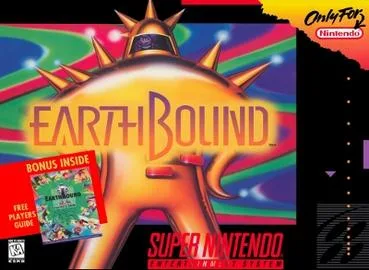
2EarthBound subverted JRPG tropes with humor and modern-day satire while keeping deep turn-based combat. Its quirky tone and sound design created a unique identity. The game claims its spot by showing how personality can elevate familiar mechanics.
Year: 1994Metacritic: 88/10Sales: 0.5 MDeveloper: HAL LaboratoryInnovation: 8.9/10
- Unique humor
- Strong atmosphere
- Innovative battle system
- Low sales
- Dated presentation
- Rare physical copies
added by Yourlist Editorialin 4 rankingsEarthBound
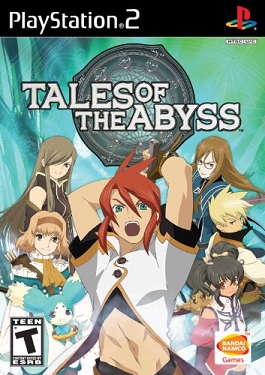
-1Tales of the Abyss centered its narrative on identity and choice, using the series' real-time combat to deliver emotional set pieces. Its character growth arc stands among the strongest in the Tales series. The game secures its place by marrying action combat with strong writing.
Year: 2005Metacritic: 78/10Sales: 1.5 MDeveloper: Namco Tales StudioInnovation: 7.9/10
- Strong character arc
- Real-time combat
- Emotional story
- Dated visuals
- Long dungeons
- Voice acting quality
added by Yourlist EditorialTales of the Abyss
-1Valkyria Chronicles blended JRPG progression with real-time strategy in a stylized WWII-inspired setting. Its canvas combat and class system created tactical depth. The game earns its ranking by successfully hybridizing genres without losing JRPG soul.
Year: 2008Metacritic: 86/10Sales: 1.8 MDeveloper: SegaInnovation: 8.4/10
- Unique combat
- Art style
- Tactical depth
- Story pacing
- Some class imbalance
- Limited replay
added by Yourlist EditorialValkyria Chronicles
-2Bravely Default revived classic job systems with a brave/default mechanic that added tactical risk-reward to turn-based combat. Its meta-narrative twists kept players engaged across multiple playthroughs. The game secures its ranking by updating 90s JRPG design for the 3DS era.
Year: 2012Metacritic: 85/10Sales: 1.2 MDeveloper: Square EnixInnovation: 8.1/10
- Job variety
- Brave/Default system
- Meta story
- Repetitive second half
- Dated visuals
- Grinding required
added by Yourlist EditorialBravely Default
-2Final Fantasy XII replaced random encounters with seamless real-time combat and a massive political narrative. Its gambit system let players automate strategies at scale. The game earns its ranking through ambitious world-building and mechanical overhaul.
Year: 2006Metacritic: 86/10Sales: 6.1 MDeveloper: Square EnixInnovation: 8.6/10
- Seamless combat
- Political story
- Large world
- Gambit complexity
- Uneven pacing
- License board grind
added by Yourlist Editorialin 3 rankingsFinal Fantasy XII
-3Octopath Traveler revived pixel-art JRPGs with a job system and eight interconnected stories that let players choose their own path. Its HD-2D visuals and combat breaks created modern appeal. The game earns its place by refreshing classic structures for new audiences.
Year: 2018Metacritic: 81/10Sales: 3 MDeveloper: Square EnixInnovation: 7.7/10
- HD-2D visuals
- Job system
- Narrative freedom
- Disconnected stories
- Grindy endgame
- Limited party interaction
added by Yourlist Editorialin 2 rankingsOctopath Traveler
-4Wild Arms fused Western themes with JRPG mechanics and introduced environmental puzzles using tools. Its gun-based combat and soundtrack created a distinct identity. The game earns its ranking by successfully blending genres on the original PlayStation.
Year: 1996Metacritic: 78/10Sales: 0.8 MDeveloper: Media.VisionInnovation: 7.4/10
- Unique setting
- Tool puzzles
- Atmospheric music
- Dated combat
- Short dungeons
- Sparse story
added by Yourlist Editorialin 2 rankingsWild Arms
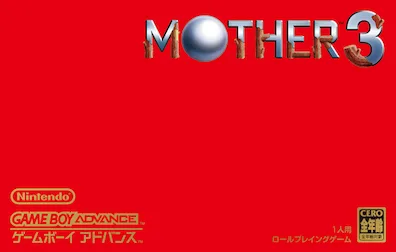
-4Mother 3 used emotional storytelling and innovative rhythm-based combat to create a deeply personal JRPG experience on the GBA. Its themes of loss and family resonated beyond typical genre fare. The game earns its high regard through narrative risk-taking and mechanical charm.
Year: 2006Metacritic: 85/10Sales: 0.3 MDeveloper: HAL LaboratoryInnovation: 8.5/10
- Emotional story
- Rhythm combat
- Unique tone
- Japan only
- Short length
- Limited distribution
added by Yourlist EditorialMother 3
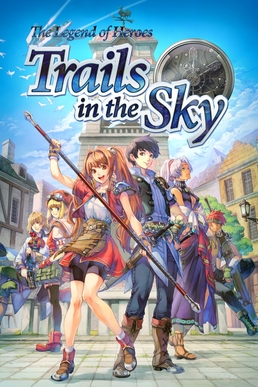
-5The Legend of Heroes: Trails in the Sky
Trails in the Sky built a living world across multiple games with political intrigue and character-driven storytelling. Its orbment system and turn-based combat rewarded long-term investment. The title claims its spot by proving serialized JRPGs can deliver novel-like scope.
Year: 2004Metacritic: 80/10Sales: 0.8 MDeveloper: Nihon FalcomInnovation: 8.3/10
- Deep world building
- Character focus
- Strong writing
- Slow start
- Dated graphics
- Requires sequels
added by Yourlist EditorialThe Legend of Heroes: Trails in the Sky
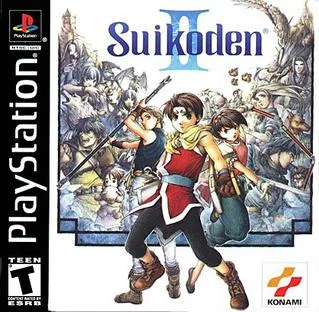
-6Suikoden II combined a massive recruitable cast with a war-story narrative that gave every battle personal weight. Its army-building mechanics and branching paths offered rare player agency. The title earns its legacy through scale achieved on modest hardware.
Year: 1998Metacritic: 84/10Sales: 1 MDeveloper: KonamiInnovation: 8.7/10
- 108 recruitable characters
- War system
- Branching story
- Dated graphics
- Random encounters
- Uneven difficulty
added by Yourlist Editorialin 2 rankingsSuikoden II
-8Phantasy Star IV delivered a sci-fi epic with strong character moments and a refined combat system on the Genesis. Its story of revenge and technology stood apart from fantasy peers. The game secures its place by proving JRPGs could thrive on multiple platforms.
Year: 1993Metacritic: 80/10Sales: 0.4 MDeveloper: SegaInnovation: 7.8/10
- Sci-fi story
- Character focus
- Refined combat
- Limited sales
- Dated graphics
- Rare today
added by Yourlist EditorialPhantasy Star IV
-9Kingdom Hearts merged Disney worlds with Square characters in an action-RPG framework that introduced many players to JRPG combat. Its heart-themed narrative and crossover appeal created a lasting franchise. The title claims its ranking by broadening the genre's audience dramatically.
Year: 2002Metacritic: 85/10Sales: 7.7 MDeveloper: SquareInnovation: 7.2/10
- Disney worlds
- Action combat
- Mass appeal
- Story complexity
- Uneven pacing
- Button-mashing combat
added by Yourlist Editorialin 2 rankingsKingdom Hearts
-10