What counts: Ranked by lasting influence on the genre, ideas explored, and literary craft
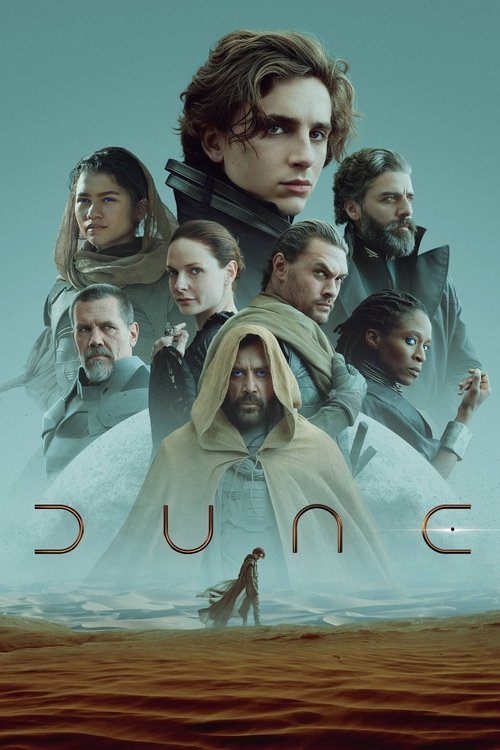
A sweeping epic of ecology, politics, and messianic religion on a desert planet that shaped modern sci-fi's ambition.
added by Yourlist EditorialDune
The defining dystopia on surveillance, totalitarianism, and the manipulation of truth.
added by Yourlist Editorial1984
Brave New World — Aldous Huxley
A prescient vision of engineered contentment and consumerism as tools of control.
added by Yourlist EditorialBrave New World
Launched the idea of predicting history through science, birthing modern space-opera scale.
added by Yourlist EditorialFoundation
The Left Hand of Darkness — Ursula K. Le Guin
A landmark exploration of gender and society through anthropological science fiction.
added by Yourlist EditorialThe Left Hand of Darkness
Founded the cyberpunk genre and predicted much of the digital, networked world.
added by Yourlist EditorialNeuromancer
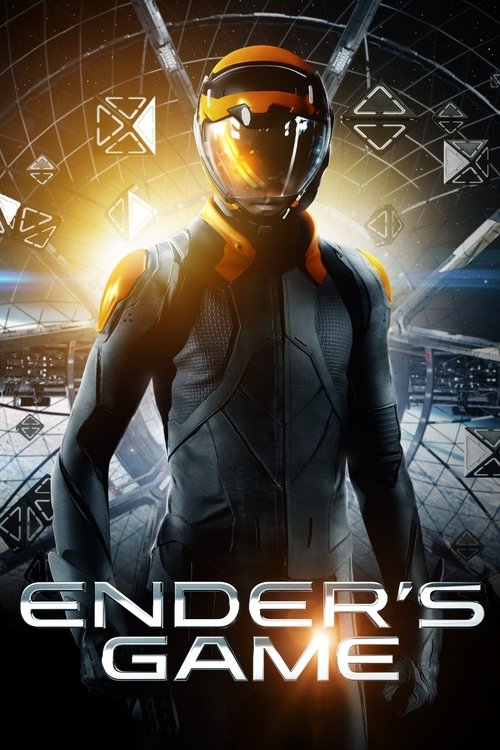
Ender's Game — Orson Scott Card
A gripping study of childhood, strategy, and the morality of war through a young genius.
added by Yourlist EditorialEnder's Game
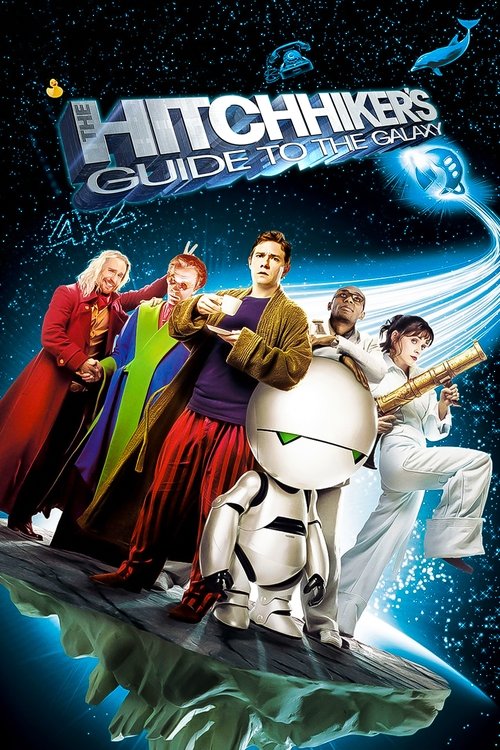
The Hitchhiker's Guide to the Galaxy — Douglas Adams
Proved sci-fi could be riotously funny while still being sharply philosophical.
added by Yourlist EditorialThe Hitchhiker's Guide to the Galaxy
Slaughterhouse-Five — Kurt Vonnegut
Uses time travel and aliens to deliver one of literature's most devastating anti-war statements.
added by Yourlist EditorialSlaughterhouse-Five
A haunting meditation on the limits of human understanding when facing true alien intelligence.
added by Yourlist EditorialSolaris
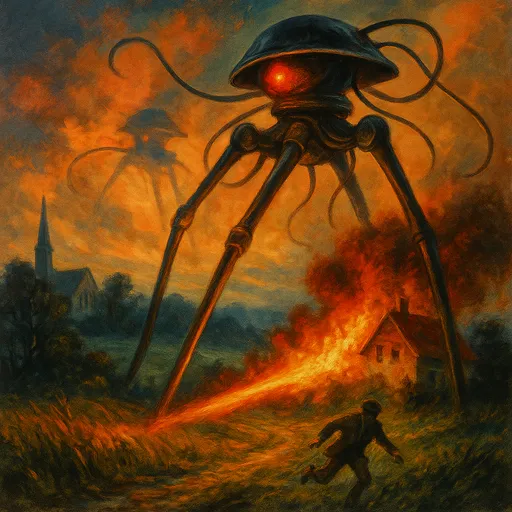
The War of the Worlds — H.G. Wells
One of the genre's founding texts, establishing the alien-invasion story.
added by Yourlist EditorialThe War of the Worlds
A high-velocity satire that coined 'metaverse' and shaped a generation of tech thinking.
added by Yourlist EditorialSnow Crash