
Best TV bottle episodes
Every great series eventually locks its characters in one room, one diner, one bar—and lets the dialogue do all the heavy lifting. These low-budget, high-tension 'bottle episodes' often become fan favorites, proving that a limited setting can produce limitless drama. Which one deserves the crown? Cast your vote and settle the debate.
What counts: The crowd's votes decide the order — seeded neutral.
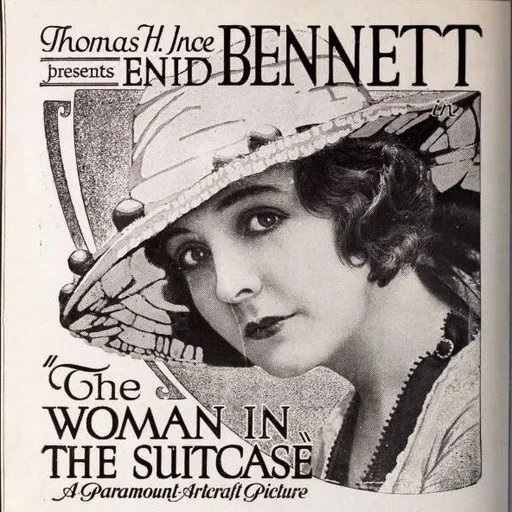
Don and Peggy spend one brutal, booze-soaked night trapped in the office, circling a Samsonite pitch while every unspoken thing between them finally surfaces — the dead Anna Draper phone call, the diner meltdown, that wordless hand-hold. It's the show's thesis statement on mentorship and loneliness distilled into two people and four walls, proof that a bottle episode can out-emote a whole season. Nothing blows up, nobody leaves the building, and it's still the most quietly devastating hour of prestige TV drama.
added by Yourlist EditorialThe Suitcase
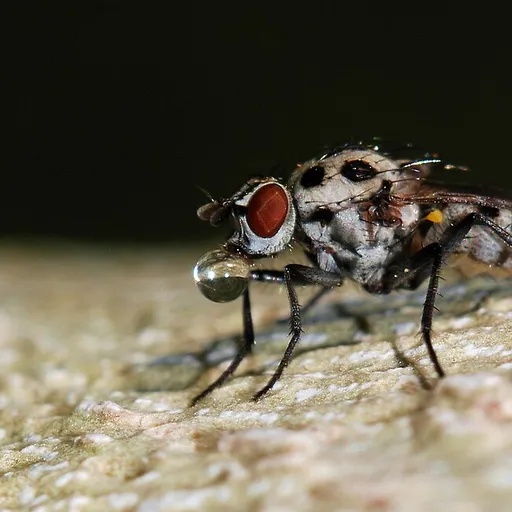
74Walt, half-mad with guilt over Jane, spends an entire episode chasing a single fly around the meth lab while Jesse just wants to cook and go home — and underneath the absurdist stand-up-comedy premise is a man trying to confess a murder he can't quite say out loud. Vince Gilligan and Rian Johnson turned
added by Yourlist Editorial
40Paulie and Christopher get lost in the snowy New Jersey woods after a botched hit leaves their target missing, and the episode becomes a bleak, hilarious survival ordeal. The ambiguous fate of the Russian they were chasing became one of TV's most debated unresolved threads. A tense, claustrophobic classic that never needed to leave the forest.
added by Yourlist EditorialPine Barrens
27The Chinese Restaurant (Seinfeld)
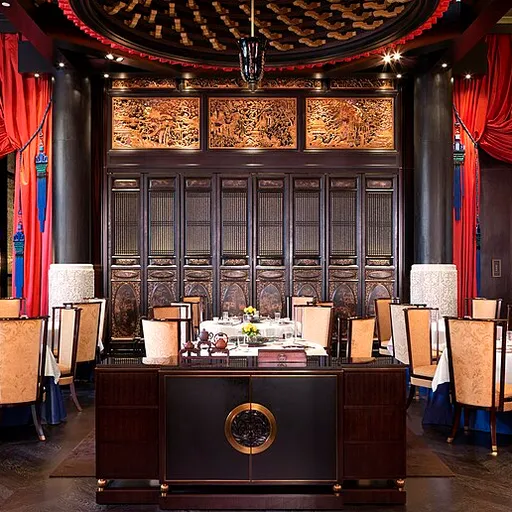
An entire episode confined to a Manhattan restaurant waiting room, where Jerry, Elaine, and George kill time trying to get a table before a movie. Nothing happens except everything: petty grievances, name-changing schemes, and comic desperation, all in real time. It's the bottle episode that basically defined the sitcom bottle format for a generation.
added by Yourlist EditorialChinese Restaurant
26Cooperative Calligraphy (Community)
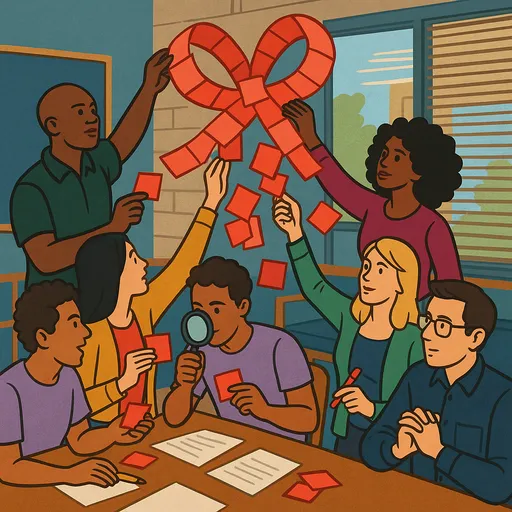
A missing pen turns the study room into a locked-room mystery, with Abed accusing everyone of being in 'a bottle episode' before the term is even acknowledged onscreen. The meta self-awareness, paired with genuine character-driven tension, makes it a fan-favorite example of the format winking at itself.
added by Yourlist EditorialCooperative Calligraphy
5The Panic in Central Park (Girls)
Ditching the rest of the cast entirely, this episode strands Marnie and her ex Charlie on an all-night wander through Manhattan, drifting from a stolen boat ride to a swanky hotel bar to a drug-fueled reunion. It plays almost like a self-contained short film, swapping the show's usual ensemble bite for a hazy, romantic, faintly delusional two-hander. Its willingness to abandon plot machinery for pure mood and two characters' chemistry is exactly why it earns bottle-episode cred.
added by Yourlist EditorialThe Panic in Central Park
-7A frantic, overlapping-dialogue Christmas flashback crams the entire extended Berzatto clan into one house for a dinner that spirals into screaming matches, a car crashing through the wall, and Carmy's hand sliced open by a knife-wielding matriarch. Told almost entirely in one chaotic timeframe with a murderers' row of guest stars, it functions as a self-contained trauma origin story for the whole series. Its claustrophobic, single-location intensity is the platonic ideal of a bottle episode.
added by Yourlist EditorialFishes
-43International Assassin (The Leftovers)
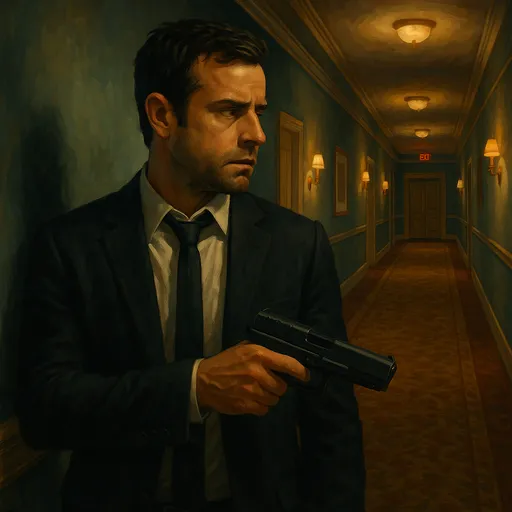
Kevin Garvey dies and wakes up in a surreal hotel-slash-purgatory where he must play secret agent, sing karaoke, and shoot a version of himself to escape, all disconnected from the show's real-world setting and supporting cast. It's the series' boldest formal swing, trading grounded grief drama for a fever-dream genre pastiche confined to one bizarre location. That total tonal and spatial detour is precisely what makes it a landmark bottle episode.
added by Yourlist EditorialInternational Assassin
-48