Greatest military commanders ever
Throughout history, a handful of military leaders have reshaped the world through sheer tactical brilliance, audacious strategy, and the ability to inspire loyalty in the face of chaos. From ancient conquerors who carved empires with sword and shield to modern generals who redefined warfare with technology and cunning, the debate over who truly deserves the title of greatest commander has raged for centuries. Now it's your turn to weigh in—cast your vote and help decide who stands at the pinnacle of military genius.
What counts: Seeded with approximate figures where shown — the crowd's votes decide the order.
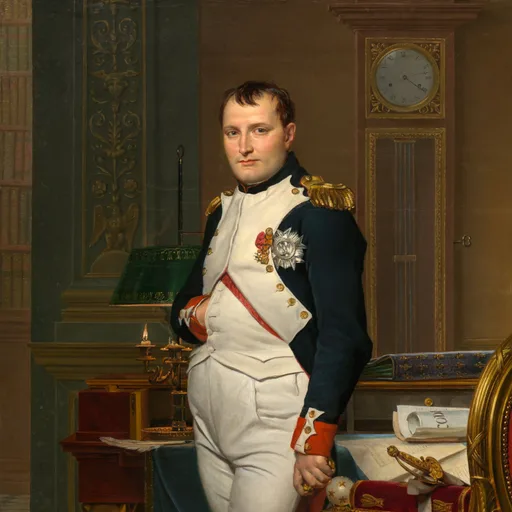
Napoleon Bonaparte
Rising from artillery officer to Emperor of France, Napoleon revolutionized warfare with rapid maneuver, massed artillery, and corps organization, winning stunning victories at Austerlitz and Jena. His eventual downfall at Waterloo doesn't erase a career of nearly unmatched operational brilliance across a continent-spanning empire.
Era: 1800s
added by Yourlist Editorialin 10 rankings
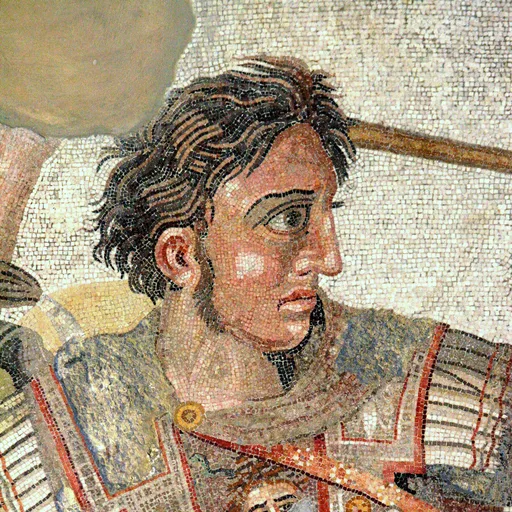
58At Gaugamela in 331 BC, a 25-year-old king shattered a Persian army several times his size, completing the conquest of the largest empire the world had ever seen without ever losing a battle. He fused Macedonian phalanx tactics with audacious cavalry strikes and personal, front-line risk-taking, spreading Hellenistic culture from Greece to India. Undefeated in over a decade of campaigning, he's the standard against which every conqueror since has been measured.},{
Era: 300s BC
added by Yourlist Editorialin 10 rankingsAlexander the Great
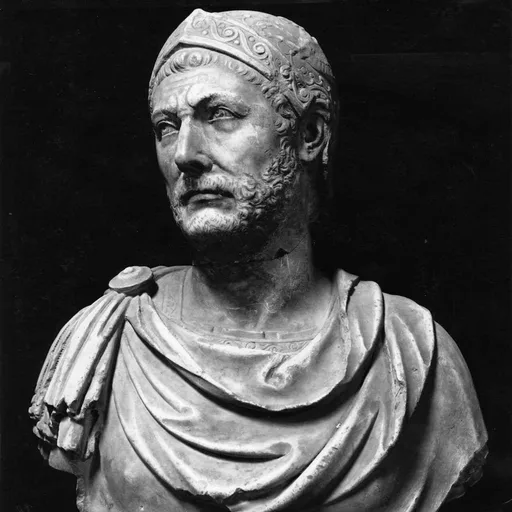
45The Carthaginian general who marched war elephants over the Alps to strike fear into Rome itself, Hannibal's tactical masterpiece at Cannae remains a textbook study in encirclement. Despite ultimate defeat by Rome, his audacity and battlefield genius earned him legendary status among history's greatest commanders.
Era: 200s BC
added by Yourlist Editorialin 4 rankingsHannibal
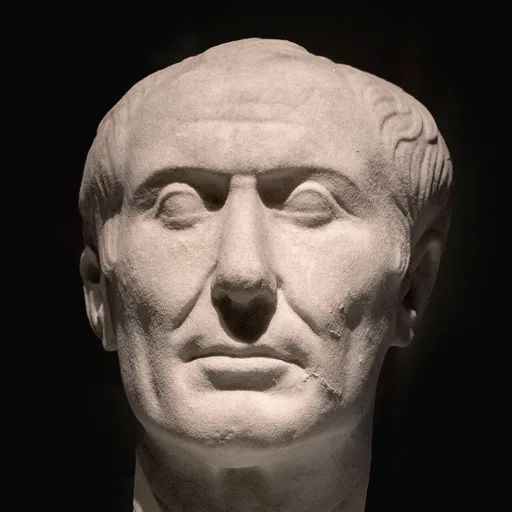
26Caesar's conquest of Gaul and lightning campaigns during the Roman civil war showcased his mastery of speed, logistics, and personal charisma in command. His famous crossing of the Rubicon and victory at Pharsalus cemented his reputation as one of antiquity's most decisive military minds.
Era: 50s BC
added by Yourlist Editorialin 9 rankingsJulius Caesar
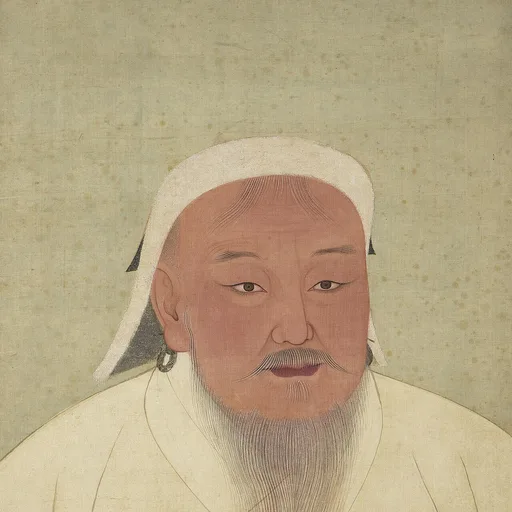
15Uniting the Mongol tribes, Genghis Khan built the largest contiguous land empire in history through unprecedented mobility, discipline, and psychological warfare. His innovative use of mounted archers and intelligence networks make him a towering figure in military strategy across Eurasia.
Era: 1200s
added by Yourlist Editorialin 11 rankingsGenghis Khan
2Patton
George S. Patton was the aggressive, flamboyant American general who drove the U.S. Third Army across France and Germany in 1944-45 with a speed and audacity few commanders matched. His signature moment—the lightning turn of the Third Army to relieve Bastogne during the Battle of the Bulge—showcased operational brilliance and sheer will. Controversial and theatrical, he nonetheless earns a place among the greats for his mastery of armored warfare and relentless offensive spirit.
Era: 20th century (World War II, 1940s)
added by John Lempin 2 rankings
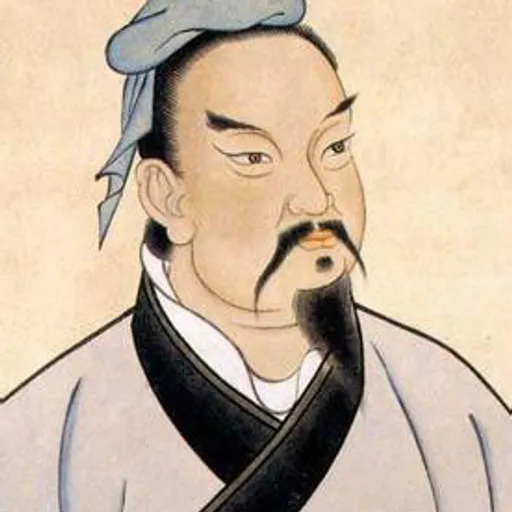
0Though details of his life remain shrouded in legend, Sun Tzu's authorship of 'The Art of War' has shaped military thinking for over two millennia, emphasizing deception, intelligence, and winning without fighting. His inclusion here honors strategic philosophy as much as battlefield command.
Era: 500s BC
added by Yourlist Editorialin 4 rankingsSun Tzu
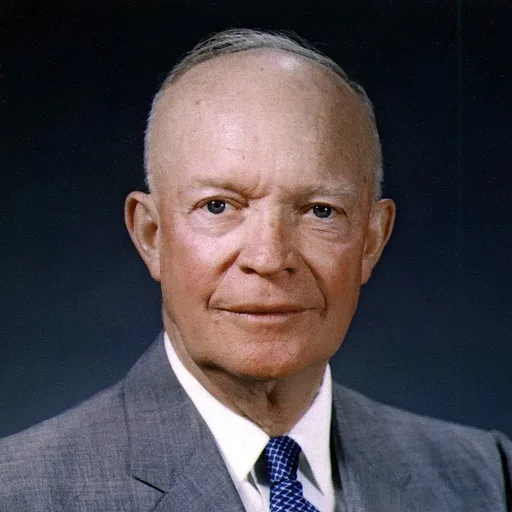
-1As Supreme Allied Commander, Eisenhower orchestrated the immense logistical and political complexity of D-Day and the liberation of Western Europe from Nazi occupation. His command earns its place here for masterful coalition management and strategic planning on an unprecedented industrial-age scale.
Era: 1900s
added by Yourlist Editorialin 17 rankingsDwight D. Eisenhower
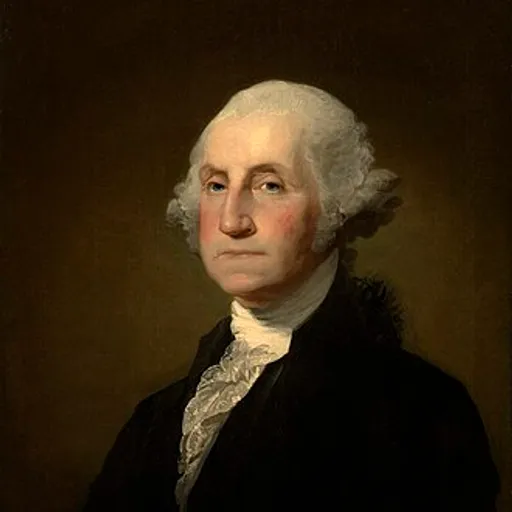
-7Washington's genius lay not in tactical brilliance but in holding together a fragile Continental Army through defeat, winter, and mutiny, culminating in the decisive victory at Yorktown. His restraint and endurance as commander-in-chief secured American independence and set a model for civilian-led military leadership.
Era: 1700s
added by Yourlist Editorialin 11 rankingsGeorge Washington
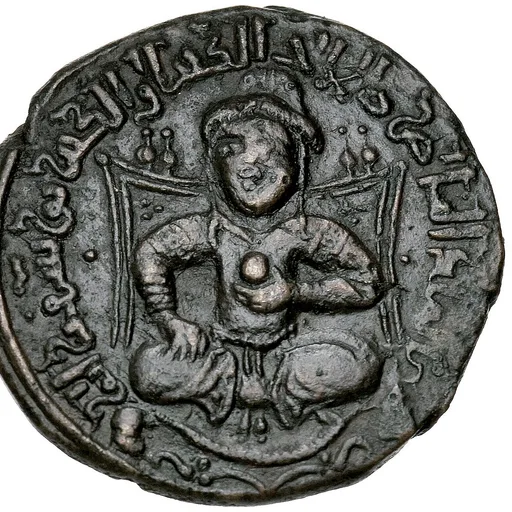
-15The Kurdish-born Sultan united Muslim forces and reclaimed Jerusalem from the Crusaders after his decisive victory at the Battle of Hattin in 1187. Renowned for both military skill and chivalrous conduct, Saladin's legacy as commander bridges effective strategy with enduring respect from allies and foes alike.
Era: 1100s
added by Yourlist Editorialin 4 rankingsSaladin
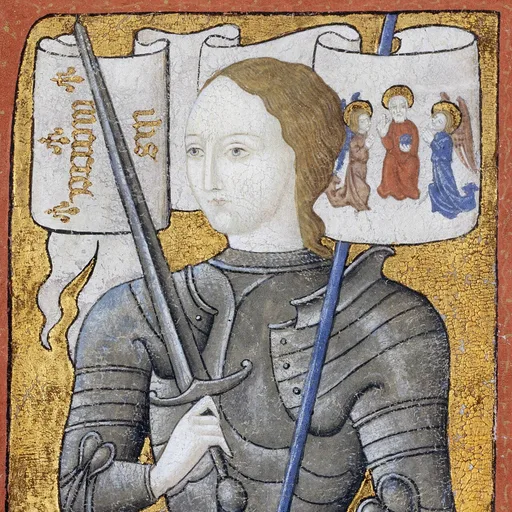
-19A teenage peasant girl who claimed divine guidance, Joan of Arc rallied French troops to lift the siege of Orléans and turned the tide of the Hundred Years' War. Her inclusion on this list reflects extraordinary battlefield leadership and morale-inspiring charisma rather than conventional strategic training.
Era: 1400s
added by Yourlist Editorialin 3 rankingsJoan of Arc
-37