😈Seven Deadly Sins Ranked
The seven deadly sins have shaped moral storytelling for centuries by revealing how ordinary flaws can lead to ruin. Ranking their strongest fictional embodiments shows which tales most powerfully warn us about pride, greed, wrath and the rest. Which portrayal strikes you as the most unforgettable? Vote now.
What counts: Best means the most compelling and cautionary fictional portrayal of how one of the seven deadly sins destroys lives and relationships; emblematic and severity ratings are approximate 0-10 scores based on narrative impact.
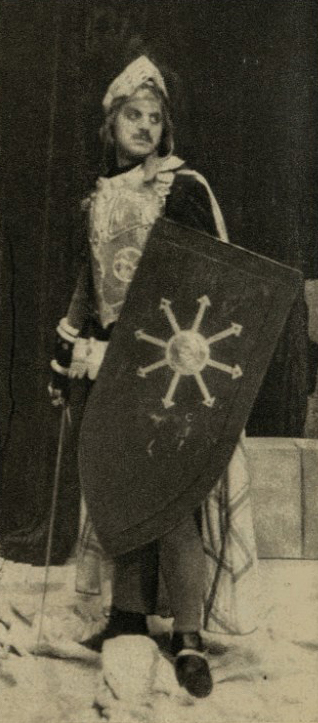
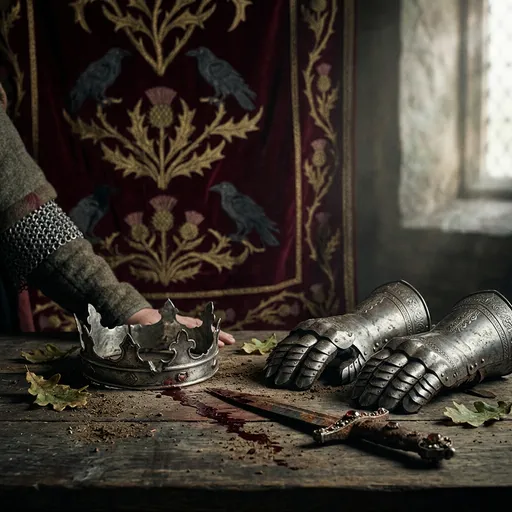
Macbeth rises as a celebrated warrior but lets pride and ambition override loyalty after the witches' prophecy. The dagger hallucination before murdering Duncan marks the moment pride fully warps his mind. Few stories show pride toppling a hero so completely and swiftly.
Primary Sin: PrideFamous Origin: Macbeth by ShakespeareYear or Era: 1606Emblematic Rating: 9/10Consequence Severity: 9/10
- Deep psychological portrait of ambition
- Clear chain from pride to total downfall
- Timeless warning about power
- Elizabethan language challenges modern readers
- Lady Macbeth often steals dramatic focus
- Scottish history details feel remote
added by Yourlist EditorialMacbeth
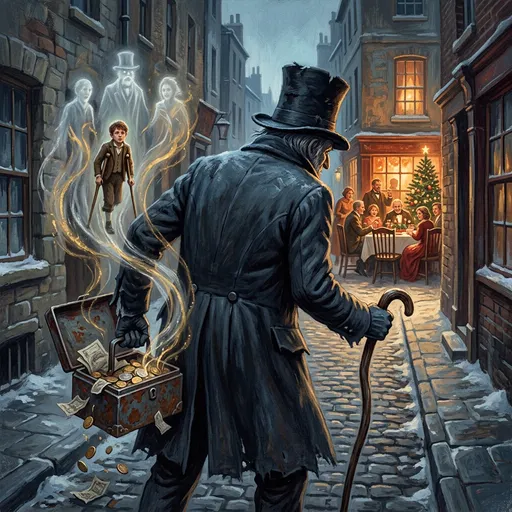
45Scrooge hoards wealth and rejects every human connection until three ghosts force him to witness the consequences. Christmas morning reveals his complete reversal after seeing his own lonely grave. The tale remains the classic demonstration that greed isolates and that change is still possible.
Primary Sin: GreedFamous Origin: A Christmas Carol by DickensYear or Era: 1843Emblematic Rating: 8/10Consequence Severity: 7/10
- Instantly recognizable transformation
- Strong holiday cultural resonance
- Clear cause-and-effect moral
- Redemption arc softens the sin's finality
- Victorian sentiment can feel dated
- Multiple film versions dilute the original
added by Yourlist Editorialin 2 rankingsEbenezer Scrooge
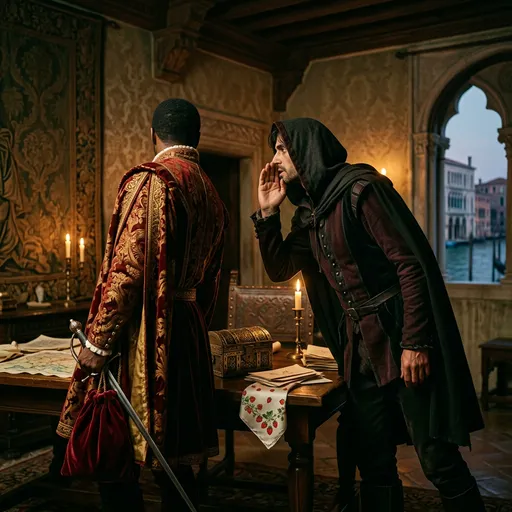
29Iago's envy of Cassio's promotion fuels a web of lies that destroys Othello and Desdemona. The handkerchief scene where he plants false evidence marks the point of no return. Few characters demonstrate envy weaponized so precisely and fatally.
Primary Sin: EnvyFamous Origin: Othello by ShakespeareYear or Era: 1603Emblematic Rating: 8/10Consequence Severity: 9/10
- Masterclass in manipulation
- Psychologically convincing scheming
- Enduring study of destructive jealousy
- Motives left deliberately unclear
- Play's racial themes require context
- Ending feels overwhelmingly bleak
added by Yourlist EditorialIago
29Dorian Gray's wish to remain young while his portrait ages lets him pursue every vice without visible cost. The moment he finally stabs the painting and dies with his true aged face revealed shows pride's hidden toll. The portrait device makes pride's corruption literally visible.
Primary Sin: PrideFamous Origin: The Picture of Dorian GrayYear or Era: 1890Emblematic Rating: 8/10Consequence Severity: 8/10
- Brilliant central visual metaphor
- Sharp social satire
- Clear physical consequence of sin
- Gothic style feels melodramatic today
- Implied sins left vague for era
- Wilde's wit can undercut moral weight
added by Yourlist EditorialDorian Gray
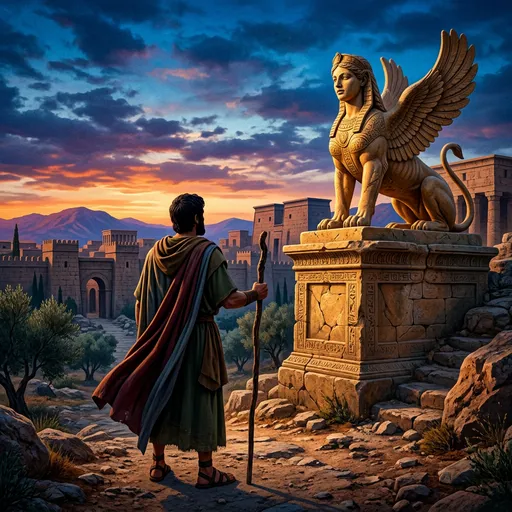
22Oedipus's pride in solving the Sphinx's riddle blinds him to the prophecy he is fulfilling. The moment he blinds himself after learning the truth shows pride's final self-punishment. The play established the archetype of tragic pride.
Primary Sin: PrideFamous Origin: Oedipus RexYear or Era: 429 BCEmblematic Rating: 8/10Consequence Severity: 9/10
- Perfect tragic structure
- Irony and recognition scenes
- Foundation of Western drama
- Ancient Greek conventions unfamiliar
- Incest and violence are heavy
- Multiple translations vary
added by Yourlist EditorialOedipus
22The Joker spreads chaos purely to watch Gotham burn, embodying wrath without any higher goal. The moment he forces Batman to choose between Harvey and Rachel crystallizes how wrath destroys everyone it touches. His unpredictable evil makes wrath feel truly unstoppable.
Primary Sin: WrathFamous Origin: The Dark KnightYear or Era: 2008Emblematic Rating: 9/10Consequence Severity: 9/10
- Iconic performance and lines
- Shows wrath as pure nihilism
- Raises deep moral questions
- Multiple conflicting origin stories
- Villain focus can glorify violence
- Dark tone limits family viewing
added by Yourlist Editorialin 6 rankingsThe Joker
21Gollum's centuries of possessing the One Ring turn him from a simple hobbit into a wretched creature ruled by greed. The signature moment comes when he bites off Frodo's finger at Mount Doom, destroying both himself and the Ring. His arc perfectly illustrates how greed consumes body and soul.
Primary Sin: GreedFamous Origin: The Lord of the RingsYear or Era: 1954Emblematic Rating: 9/10Consequence Severity: 9/10
- Physical and moral transformation shown vividly
- Central to the entire epic plot
- Unforgettable voice and mannerisms
- Fantasy setting distances some viewers
- Sympathy for Gollum can blur the moral
- Book and film versions differ sharply
added by Yourlist Editorialin 2 rankingsGollum
17King Lear's pride in his own judgment leads him to divide his kingdom and banish the daughter who loves him. Standing on the heath in the storm, stripped of power and sanity, he finally sees his folly. The tragedy shows pride's cost in the most public and painful way.
Primary Sin: PrideFamous Origin: King Lear by ShakespeareYear or Era: 1606Emblematic Rating: 8/10Consequence Severity: 9/10
- Epic scale of downfall
- Profound father-daughter exploration
- Unforgettable storm scene
- Long running time and subplots
- Language density intimidates newcomers
- Multiple versions of the text exist
added by Yourlist EditorialKing Lear
16Anakin Skywalker's pride in his power and fear of loss drive him to the dark side and the murder of younglings. The duel on Mustafar where he loses his limbs and becomes Darth Vader is the irreversible turning point. His fall remains the most famous modern example of pride destroying a hero's life.
Primary Sin: PrideFamous Origin: Star Wars prequelsYear or Era: 1999Emblematic Rating: 8/10Consequence Severity: 9/10
- Massive cultural recognition
- Spectacular visual consequences
- Links pride directly to galactic tragedy
- Prequel films criticized for dialogue
- Redemption in Return of the Jedi softens impact
- Expanded universe complicates the core story
added by Yourlist Editorialin 3 rankingsAnakin Skywalker
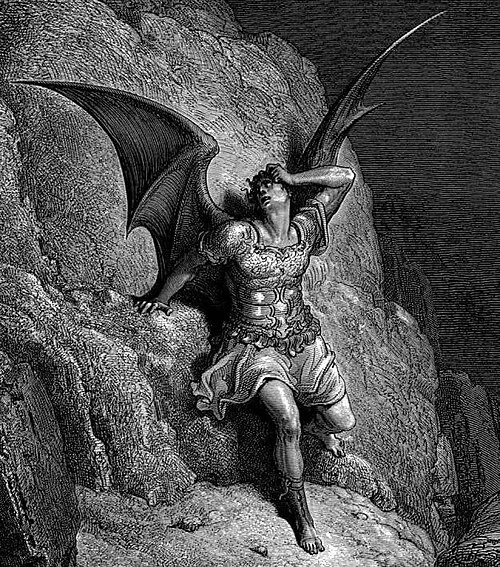
15Satan's pride leads him to rebel against God and then to corrupt humanity in revenge. The famous line 'Better to reign in Hell than serve in Heaven' captures pride's defiant logic. Milton's epic gives pride its grandest cosmic stage.
Primary Sin: PrideFamous Origin: Paradise LostYear or Era: 1667Emblematic Rating: 8/10Consequence Severity: 9/10
- Majestic language and scope
- Complex psychological portrait
- Defines literary Satan
- Lengthy theological arguments
- Satan's charisma risks reader sympathy
- 17th-century blank verse demands effort
added by Yourlist EditorialSatan
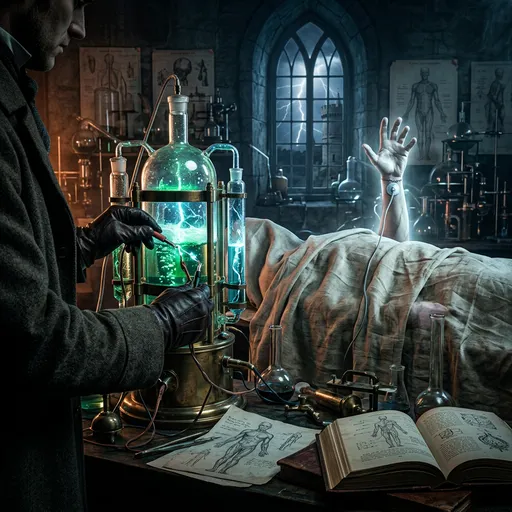
14Victor Frankenstein's pride in creating life without responsibility unleashes a monster that destroys everyone he loves. The moment the creature awakens and Victor flees shows the sin at its most arrogant. The novel warns that playing God ends in horror.
Primary Sin: PrideFamous Origin: FrankensteinYear or Era: 1818Emblematic Rating: 8/10Consequence Severity: 9/10
- Birth of science-fiction genre
- Enduring monster and creator dynamic
- Deep questions on creation
- Epistolary frame slows opening
- Creature's story can shift sympathy
- Scientific details dated
added by Yourlist EditorialVictor Frankenstein
14Grendel's wrathful raids on Heorot Hall are finally ended when Beowulf tears off his arm. The monster's descent from Cain marks wrath as an ancient, inherited evil. The poem's first great monster still embodies raw destructive rage.
Primary Sin: WrathFamous Origin: BeowulfYear or Era: 8th-11th centuryEmblematic Rating: 7/10Consequence Severity: 8/10
- Foundational monster in literature
- Visceral physical combat
- Clear heroic counter to wrath
- Old English original hard to read
- Sparse character development
- Christian overlay on pagan tale
added by Yourlist EditorialGrendel
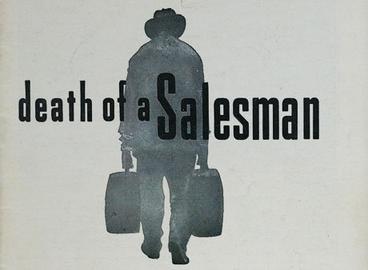
10Willy Loman's pride in being 'well-liked' prevents him from accepting his ordinary life and leads to suicide. The final scene where his son realizes the truth underscores how pride hides reality. Miller's play makes pride's cost personal and modern.
Primary Sin: PrideFamous Origin: Death of a SalesmanYear or Era: 1949Emblematic Rating: 7/10Consequence Severity: 8/10
- Intimate family tragedy
- Critiques capitalist myths
- Powerful father-son climax
- Depressing tone throughout
- Requires knowledge of 1940s America
- Salesman profession less familiar now
added by Yourlist EditorialWilly Loman
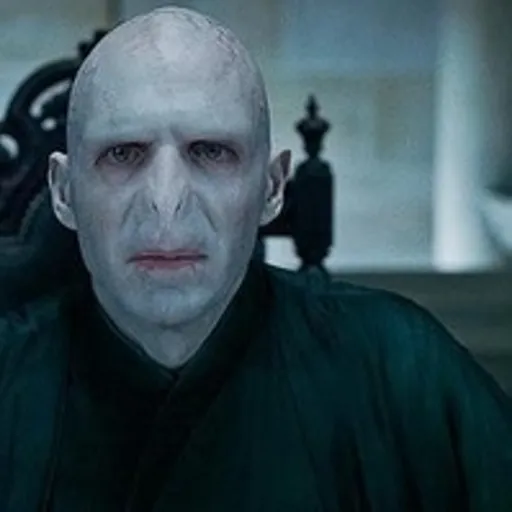
7Voldemort's pride in pure-blood supremacy and fear of death drive him to split his soul into Horcruxes. The final duel where his own curse rebounds shows pride's ultimate self-destruction. His name itself means 'flight from death,' born of pride.
Primary Sin: PrideFamous Origin: Harry Potter seriesYear or Era: 1997Emblematic Rating: 7/10Consequence Severity: 8/10
- Huge modern readership
- Clear moral consequences for children
- Iconic villain design
- Young-adult tone for some readers
- Many plot conveniences
- Film adaptations vary in quality
added by Yourlist Editorialin 4 rankingsLord Voldemort
6Shylock's greed for Antonio's pound of flesh stems from years of humiliation yet still destroys his own humanity. The courtroom demand for the exact penalty shows greed overriding mercy and self-interest. The character remains the most famous literary usurer.
Primary Sin: GreedFamous Origin: The Merchant of VeniceYear or Era: 1596Emblematic Rating: 7/10Consequence Severity: 7/10
- Memorable trial scene
- Explores money and justice
- Powerful speeches on humanity
- Antisemitic stereotypes in portrayal
- Comedy elements clash with tragedy
- Complex sympathy divides audiences
added by Yourlist EditorialShylock
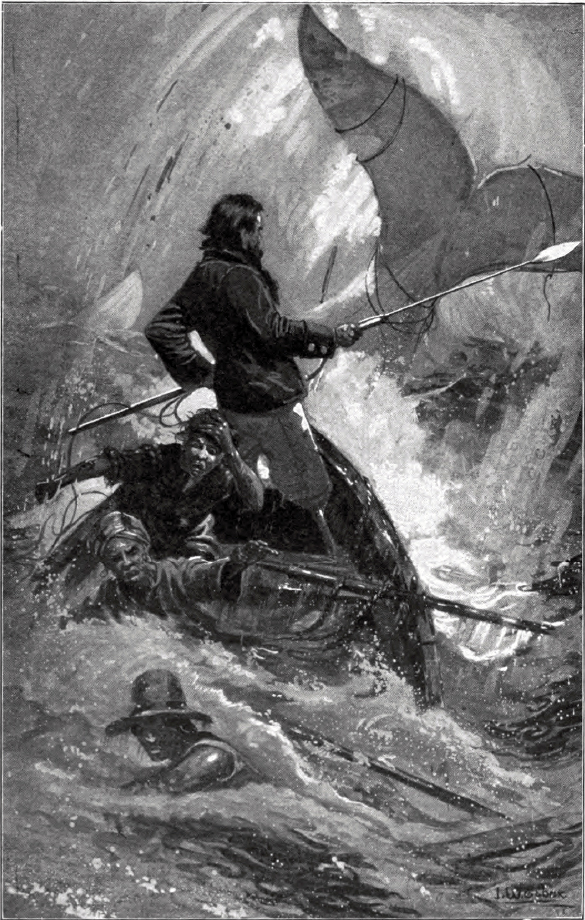
0Captain Ahab's wrath against the white whale consumes his ship, crew, and finally himself in a suicidal final chase. The moment he hurls his harpoon and is dragged under seals how wrath overrides all reason and duty. The novel treats wrath as a force of nature.
Primary Sin: WrathFamous Origin: Moby-DickYear or Era: 1851Emblematic Rating: 8/10Consequence Severity: 9/10
- Epic scale and symbolism
- Unforgettable obsessive voice
- Philosophical depth on vengeance
- Dense 19th-century prose
- Long cetology chapters slow pace
- Ambiguous ending frustrates some readers
added by Yourlist Editorialin 2 rankingsCaptain Ahab
-3Lady Macbeth's pride pushes her husband to murder and then unravels into sleepwalking guilt. The 'Out, damned spot' scene reveals pride's inability to wash away blood. She remains the most famous female example of destructive ambition.
Primary Sin: PrideFamous Origin: Macbeth by ShakespeareYear or Era: 1606Emblematic Rating: 7/10Consequence Severity: 8/10
- Powerful psychological collapse
- Iconic sleepwalking scene
- Strong female dramatic role
- Role sometimes reduced to stereotype
- Sleepwalking scene hard to stage
- Focus often stays on Macbeth
added by Yourlist EditorialLady Macbeth
-3Dr. Faustus sells his soul for knowledge and power, then wastes the gift on petty tricks. The final hour when devils drag him to hell crystallizes pride's eternal price. Marlowe's play remains the classic bargain-with-the-devil tale.
Primary Sin: PrideFamous Origin: Doctor FaustusYear or Era: 1592Emblematic Rating: 7/10Consequence Severity: 9/10
- Powerful final soliloquy
- Clear supernatural stakes
- Influenced countless later works
- Elizabethan staging feels static today
- Comic scenes undercut tension
- Theology heavy for modern audiences
added by Yourlist EditorialDoctor Faustus
-6Fagin's greed for stolen goods and manipulation of children ultimately leads to his execution. The scene where he faces the gallows alone reveals how greed leaves him with nothing. Dickens shows greed's street-level human cost.
Primary Sin: GreedFamous Origin: Oliver TwistYear or Era: 1838Emblematic Rating: 6/10Consequence Severity: 7/10
- Vivid criminal underworld
- Strong social protest element
- Memorable supporting cast
- Antisemitic caricature in original
- Grim Victorian underworld setting
- Sentimental subplots dilute focus
added by Yourlist EditorialFagin
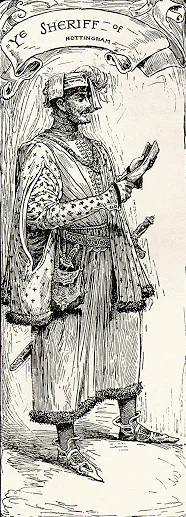
-6The Sheriff of Nottingham's greed for taxes and power makes him the perfect foil to Robin Hood. Collecting exorbitant taxes while the poor starve shows greed at its most oppressive. The legend keeps the sin's social cost vivid for centuries.
Primary Sin: GreedFamous Origin: Robin Hood legendsYear or Era: 12th-13th centuryEmblematic Rating: 6/10Consequence Severity: 6/10
- Enduring folk-hero contrast
- Clear social injustice theme
- Widely adapted across media
- Many conflicting versions exist
- Often cartoonish in retellings
- Heroic contrast reduces focus on sin
added by Yourlist EditorialSheriff of Nottingham
-7Jay Gatsby's obsessive greed for lost love and status leads to his murder by mistaken identity. The green light across the bay symbolizes the unreachable object of his desire. The novel shows how the American Dream curdles into greed.
Primary Sin: GreedFamous Origin: The Great GatsbyYear or Era: 1925Emblematic Rating: 7/10Consequence Severity: 7/10
- Lyrical prose and imagery
- Sharp class critique
- Enduring symbol of the Dream
- Narrator's bias complicates judgment
- Jazz Age setting can feel remote
- Romantic elements soften critique
added by Yourlist EditorialJay Gatsby
-8Edmund's envy of his legitimate brother drives him to betray family and country in King Lear. The forged letter scene that turns Gloucester against Edgar marks envy turning deadly. His final repentance comes too late for most victims.
Primary Sin: EnvyFamous Origin: King Lear by ShakespeareYear or Era: 1606Emblematic Rating: 7/10Consequence Severity: 8/10
- Sharp political intrigue
- Clear motive and methods
- Contrasts with loyal Edgar
- Subplot can be overshadowed
- Bastardy theme requires context
- Rapid shifts in allegiance
added by Yourlist EditorialEdmund
-10Mr. Hyde's unrestrained wrath and violence terrorize London until Jekyll's final suicide. The transformation scene and the murder of Carew show wrath given physical form. Stevenson's novella makes the sin literally embodied.
Primary Sin: WrathFamous Origin: Strange Case of Dr Jekyll and Mr HydeYear or Era: 1886Emblematic Rating: 7/10Consequence Severity: 8/10
- Brilliant dual-personality device
- Fast-paced thriller structure
- Influential on horror genre
- Short length limits depth
- Scientific explanation feels thin
- Victorian propriety mutes details
added by Yourlist EditorialMr Hyde
-22The Grinch's envy of Whoville's Christmas joy leads him to steal every present. The moment the Who's still sing on Christmas morning breaks his envy and grows his heart. The tale shows envy defeated by simple joy.
Primary Sin: EnvyFamous Origin: How the Grinch Stole ChristmasYear or Era: 1957Emblematic Rating: 6/10Consequence Severity: 5/10
- Beloved holiday classic
- Clear visual transformation
- Positive resolution for families
- Children's story limits adult depth
- Many adaptations vary tone
- Moral delivered very directly
added by Yourlist EditorialThe Grinch
-25Uriah Heep's envious scheming to rise above his station nearly ruins the Wickfield family. The moment David exposes his forgery and blackmail shows envy unmasked. Dickens makes envy both slimy and ultimately defeated.
Primary Sin: EnvyFamous Origin: David CopperfieldYear or Era: 1850Emblematic Rating: 6/10Consequence Severity: 6/10
- Classic villain mannerisms
- Satisfying exposure scene
- Commentary on class ambition
- Victorian moralizing tone
- Lengthy legal subplots
- Heep's mannerisms can grate
added by Yourlist EditorialUriah Heep
-26