
The Los Angeles Times published a story about “white drivers” and Twitter users were quick to jump on the opportunity to mock the publication.
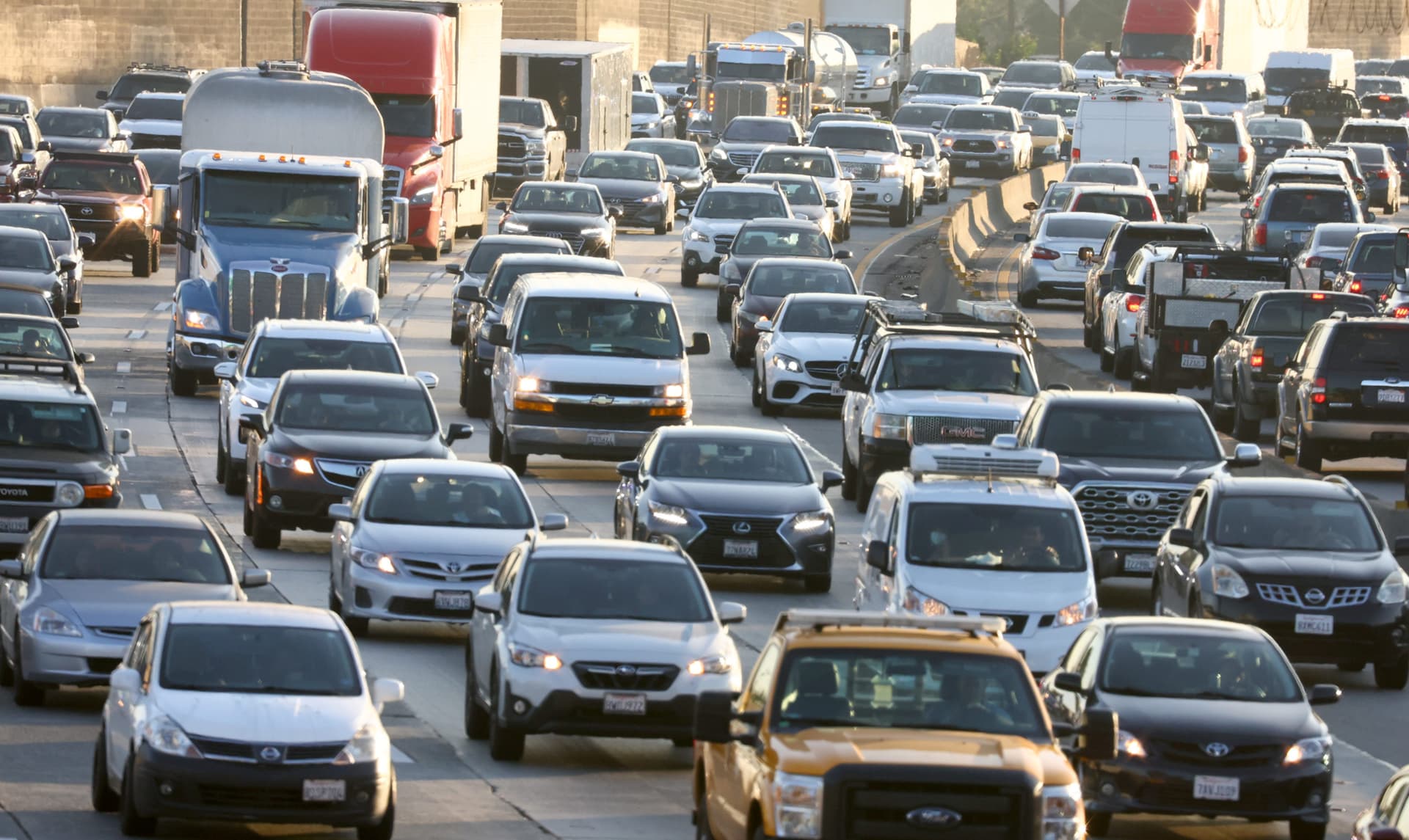
On Thursday, the outlet shared the story with the caption, “White drivers are polluting the air breathed by L.A.’s people of color.”
Communications Director for the Claremont Institute Nick Short tweeted, “Congratulations to the author of this piece . You have managed to write not only the most idiotic but racist piece of 2023!”
Comedian Tim Young wrote, “This has become like old timey, nonsensical racism at this point…”
Author Ross Patterson said it is “wild watching the death of journalism in real time.”
Deputy press secretary for Florida Gov. Ron DeSantis (R) added, “The LA Times never disappoints.”
Keep reading reactions below:
https://twitter.com/DerrickEvans_WV/status/1633949897371123713
https://twitter.com/DravenNoctis/status/1633954630064386048
Roth writes in the piece about his carbon footprint.
“I couldn’t help but consider my own complicity while reading a new study from USC researchers, finding that Angelenos who drive more tend to be exposed to less air pollution — and Angelenos who drive less tend to be exposed to more pollution,” he explains.
Roth continues, “It may sound like a paradox, but it’s not. It’s a function of the racism that shaped this city and its suburbs, and continues to influence our daily lives — and a stark reminder of the need for climate solutions that benefit everyone.”
He interviewed the study’s lead author and professor at the USC Sol Price School of Public Policy, Geoff Boeing, about how it is possible that for “every 1% increase in miles driven to and from work by people who live in a particular part of L.A. County, there’s an estimated 0.62% decrease in the lung-damaging ‘fine particulate matter’ to which those Angelenos are exposed.”
Boeing told Roth it “largely comes down to the shameful history of Los Angeles County’s low-income communities of color being torn apart to make way for freeways — a history that has been extensively documented by The Times.”
The piece goes on to claim that today “many residents of the county’s whiter, more affluent neighborhoods — who were often able to keep highways out of their own backyards — commute to work through lower-income Black and Latino neighborhoods bisected by the 10, 110 and 105 freeways and more.”