




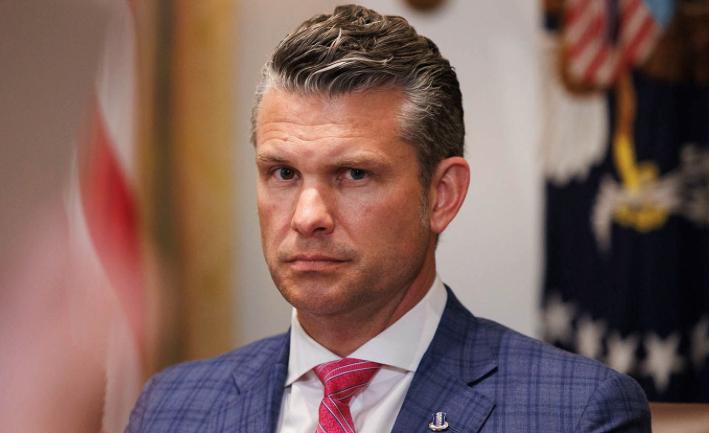
So now we’re counting explosions like baseball scores. Strike nine. Boom. Another suspected narco-boat vaporized in the Eastern Pacific. Secretary of War Pete Hegseth posts the cinematic footage on X, the administration pats itself on the back, and the chorus of “you can’t do that!” from the usual suspects starts warming up. If you like your foreign policy neat, loud, and decisive, well — grab a seat. If you prefer legal footnotes and long, apologetic memos, you might want to look away.
Here’s the thing nobody on the left wants to admit out loud: America is fighting a war on drugs at home, and the enemy doesn’t always show up wearing uniforms. These aren’t just informal drug runners — that’s the argument — these are narco-terrorists moving tons of poison toward our kids and communities. The response? Kinetic strikes at sea. Lethal. Immediate. Public. Unapologetic.
Watch the clip. Read the rhetoric. The administration says: we will find them and kill them until the threat is extinguished. That’s not subtle. That’s not polite. That’s what deterrence looks like when you stop caring about placating global opinion and start prioritizing the safety of American cities. It’s bold. It’s blunt. And yes, it’s terrifying to some — which is exactly the point.
Now, don’t pretend this is happening in a vacuum.
Today, at the direction of President Trump, the Department of War carried out yet another lethal kinetic strike on a vessel operated by a Designated Terrorist Organization (DTO). Yet again, the now-deceased terrorists were engaged in narco-trafficking in the Eastern Pacific.
The… pic.twitter.com/PEaKmakivD
— Secretary of War Pete Hegseth (@SecWar) October 23, 2025
Venezuela’s Maduro screams “attack on civilians” and accuses the U.S. of plotting regime change. Colombia’s President Petro snaps back in televised threats, and Mexican cartels quietly re-calculate their routes. Meanwhile, President Trump — decisive, unambiguous — says we’ll stop drugs by sea and by land. He’s not offering symposiums; he’s offering action. That drives critics nuts because it breaks the old Washington script: diplomacy first, press release second, and never, ever do anything that might rock a certain international boat.
Let’s be blunt: for years, the elites in both capitals and coastal think-tanks pretended these smuggling routes were a problem of poverty or sociology. Nice words, long reports, and then back to cocktails. Cities got flooded. Overdoses surged. Families buried kids. Suddenly, someone decides we’ll shoot the boats before the cocaine reaches our shores. Cue the outrage.
But here’s the spicy part — the moral calculus is messy, and the public wants answers.
Who exactly counts as a “narco-terrorist”? How certain do you need to be to fire a missile? What about international law? What about collateral damage? Those are the questions the left uses to hand-wrap inaction. The right uses them to argue: if you let the poison pass, you’re complicit. Which side sounds like they want to fix the problem, and which side sounds like they want to be morally pure while the body count rises?
And then there’s the theater. Hegseth’s posting of dramatic footage on X isn’t just transparency; it’s message discipline. It’s proof of action. It’s an asymmetric way to bypass the old media filter and speak directly to the electorate: we are eliminating routes, we’re going after the cartels, and yes — we’re willing to make the hard calls.
Still, the story isn’t finished. Because while this administration doubles down, global blowback grows louder. Maduro calls it illegal. Petro talks about “getting rid of” the president on air. Diplomats whisper about escalations. Covert operations by the CIA — authorized, the White House admits — add another layer. This is not just a counternarcotics campaign anymore; it’s a geopolitical chess match with knives on the board.
BREAKING: Marco Rubio just DESTROYED a fake news reporter after they pressed him on the OBLITERATION of narco trafficking routes in international waters.
“If people want to stop seeing drug boats blown up, STOP sending drugs to the United States.”
It’s really that simple. pic.twitter.com/OwmtF8k9ug
— Gunther Eagleman
(@GuntherEagleman) October 22, 2025
 (@GuntherEagleman)
 Here’s the part that should make everyone uncomfortable — including those cheering the strikes: when you start normalizing lethal force against non-state actors at sea, you change the baseline for what’s acceptable. Allies will ask for assurances. Adversaries will test limits. Countries with shaky regimes will accuse you of imperial overreach. And the moralists will keep demanding warm, fuzzy alternatives that history shows don’t work when traffickers are making billions and communities are dying every day.
So where does this go? Do we accept a steady drumbeat of strikes until the flow slows? Do we pair force with ironclad diplomatic pressure and regional cooperation? Or does this spiral into tit-for-tat hostility that puts American forces and our neighbors at risk?
No neat ending here. The administration promises more strikes, day after day. The opposition promises legal fights and international condemnation. The cartels adapt, or they don’t. The only certain thing: someone’s children are still at risk, and someone’s leadership has decided the cost of doing nothing is higher than the cost of taking action.
Which side will history say was right? That’s not a question that’s getting answered tonight.
The post Ninth U.S. Strike Targets Suspected Narco-Terrorist Activity at Sea appeared first on Red Right Patriot.












