



A new report from Senator Joni Ernst of Iowa has raised fresh questions about how taxpayer money is being used in the Supplemental Nutrition Assistance Program (SNAP), particularly through a smaller but growing branch of the program known as the Restaurant Meals Program, or RMP. According to Ernst’s office, U.S. taxpayers have covered nearly $250 million a year in RMP purchases, most of it going toward fast-food meals in just nine states — most of which are run by Democrat governors.
The RMP, while not as well-known as traditional SNAP, allows eligible participants to use their benefits at certain restaurants that have contracts with the state and are approved by the U.S. Department of Agriculture. It was originally created to help individuals without the ability to cook meals at home, such as the homeless, elderly, or disabled. However, the scope of the program has expanded in recent years, especially in California, where Ernst’s team says the program has grown rapidly since 2021.
According to the data collected by Ernst’s office, California alone is responsible for more than 90% of the nation’s total RMP spending. Between June 2023 and May 2025, over $475 million in taxpayer money went toward fast-food meals in the state. Overall, $524 million was spent nationwide through the Restaurant Meals Program during that same two-year period.
The nine states currently participating in the RMP are California, Arizona, Illinois, Maryland, Massachusetts, Michigan, New York, Rhode Island, and Virginia. All are led by Democrat governors except for Virginia. The list includes some of the largest and most populous states in the country, but even so, the spending is heavily concentrated in California.
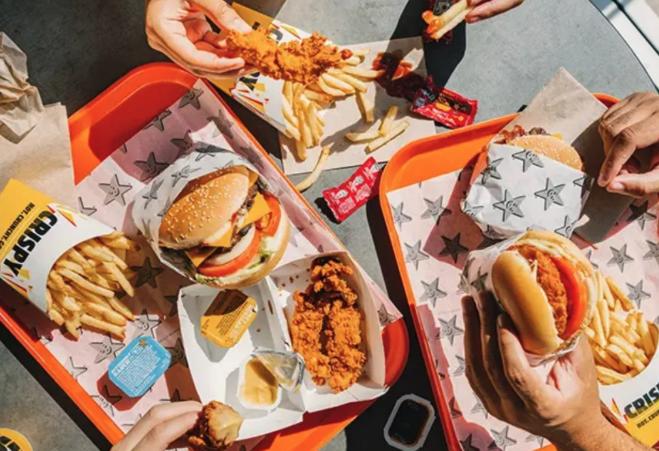
California’s statewide expansion of RMP in 2021 opened the door for a wide range of fast-food chains to begin accepting CalFresh benefits, California’s version of SNAP. Participating locations reportedly include McDonald’s, Domino’s Pizza, and Jack in the Box. These types of meals, while convenient, were never part of the original purpose of SNAP, which was signed into law in 1964 to help low-income Americans afford staple groceries like meats, vegetables, and grains.
Nearly $250 million a year in taxpayer-funded SNAP benefits are now being spent on fast-food meals through the Restaurant Meals Program, and that’s just in the nine states that have opted in, led overwhelmingly by California.
In less than two years (June 2023–May 2025),… pic.twitter.com/4953NEujsk— Arkadalo
(@Arkadalo) November 20, 2025
 (@Arkadalo)
 Ernst, speaking to Fox News Digital, expressed concern about the direction the program is taking, especially when it comes to the role of fast food. “The ‘N’ in SNAP stands for nutrition, not nuggets with a side of fries,” she said. In response to the growing spending numbers, she introduced a bill this week called the McSCUSE ME Act, aimed at narrowing the program’s reach.
The legislation would still allow homeless, elderly, and disabled individuals to access the Restaurant Meals Program but would remove the ability for spouses of those individuals to participate. It would also limit which food vendors are allowed, focusing more on grocery stores with hot food options rather than traditional fast-food restaurants. Ernst’s bill also calls for greater transparency, requiring states to submit annual public reports detailing costs, vendor participation, and the number of recipients using the program.
Between June 2023 and May 2025, Arizona spent $41.4 million through the RMP. New York spent $3.6 million, Michigan spent $1.3 million, Rhode Island spent just under $1 million, and Massachusetts spent about $649,000. The numbers were smaller in Virginia ($308,500), Illinois ($479,000), and Maryland ($8,600).
The renewed spotlight on SNAP comes just after the federal government reopened following a 43-day shutdown, the longest in U.S. history. During that time, programs like SNAP faced new scrutiny, particularly in how benefits are distributed and monitored. As part of a larger push for accountability, the Trump administration is now requiring all SNAP recipients to reapply, aiming to crack down on fraud and ensure the program reaches those most in need.
Trump 2.0 just dropped the hammer: SNAP Reform Is Here.
.@DrOz : YOUR tax dollars just bought 42 million Red Bulls, Flamin’ Hot Cheetos, and 2-liter Mountain Dews last
month—while veterans wait in line at food banks.In the free-for-all Biden era, American taxpayers were… https://t.co/SzO79xIdlQ
— Tosca Austen (@ToscaAusten) November 19, 2025
SNAP spending saw dramatic increases during the Biden administration, with federal totals hitting $128 billion in 2021 and $127 billion in 2022. Even by 2024, the final full year of Biden’s presidency, the program still cost nearly $100 billion. With President Donald Trump and Vice President J.D. Vance now back in office, there’s a clear shift toward tightening oversight and restoring the original intent of government aid programs.