



The U.N. Security Council is set to vote Monday on a U.S.-backed plan for Gaza, aiming to provide international support for a stabilization force and outline a potential future pathway to an independent Palestinian state.
According to The Associated Press, the key question remains whether Russia will exercise its veto power. After nearly two weeks of negotiations, Russia circulated a rival resolution late Thursday.
The draft removes references to a transitional authority proposed to be led by President Donald Trump and requests that U.N. Secretary-General Antonio Guterres present options for an international force to provide security in Gaza.
The vote is a critical step in maintaining the fragile ceasefire and shaping Gaza’s post-conflict future following two years of war between Israel and Hamas.
Several Muslim-majority countries that have expressed interest in contributing troops to an international stabilization force have emphasized that Security Council authorization is essential.
Diplomats expressed cautious optimism that Russia and China might abstain, given their ties to eight countries pushing for rapid adoption of the U.S. resolution.
However, Russia’s position remains uncertain, according to sources speaking on condition of anonymity due to the sensitivity of the discussions.
Russia is one of the five permanent veto-wielding members of the council, along with China, France, Britain, and the United States.
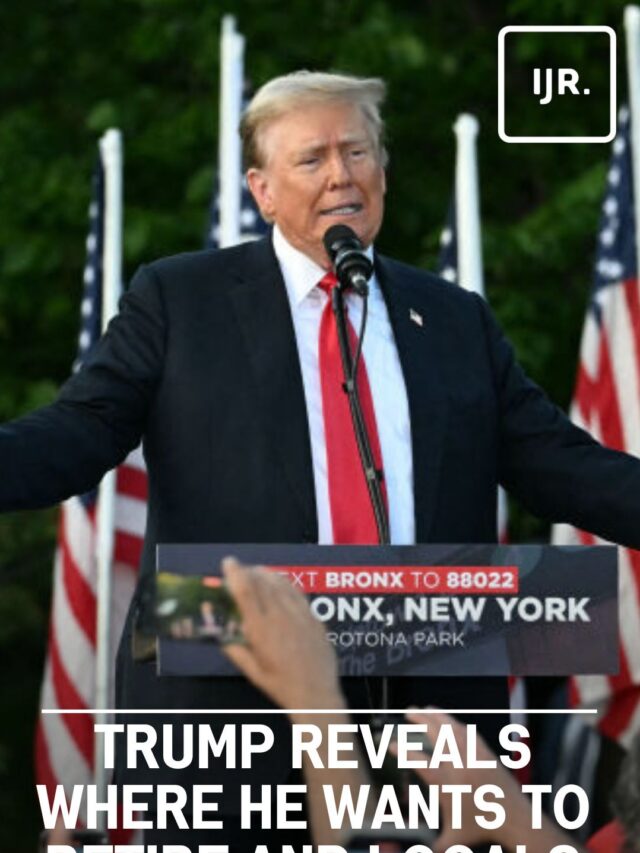
The U.S. resolution supports Trump’s 20-point ceasefire plan, including the creation of a yet-to-be-established Board of Peace, which he would lead.
It authorizes the stabilization force through 2027 with a broad mandate, including border security, territorial demilitarization, and overseeing stability operations.
A joint U.S. statement with Qatar, Egypt, the United Arab Emirates, Saudi Arabia, Indonesia, Pakistan, Jordan, and Turkey clarified revisions to previous language on Palestinian self-determination.
It now states that after the Palestinian Authority implements reforms and Gaza’s redevelopment progresses, “the conditions may finally be in place for a credible pathway to Palestinian self-determination and statehood.”
The language drew sharp criticism from Israeli Prime Minister Benjamin Netanyahu, who opposes the creation of a Palestinian state. Israel’s U.N. mission said its representative would address the council Monday but did not elaborate on its position.
Russia’s draft, meanwhile, emphasizes Palestinian statehood under the Palestinian Authority and requests that Guterres outline options to implement Trump’s plan, including the stabilization force. Russia insists its proposal does not contradict the U.S. initiative but supports international oversight to ensure accountability.
The vote on Monday could determine whether the Security Council provides formal backing for the ceasefire and sets the stage for Gaza’s long-term political future.