Critical response
Boxoffice magazine said that the critical response in New York and Los Angeles was "preponderantly enthusiastic".
Frank Nugent of The New York Times wrote:
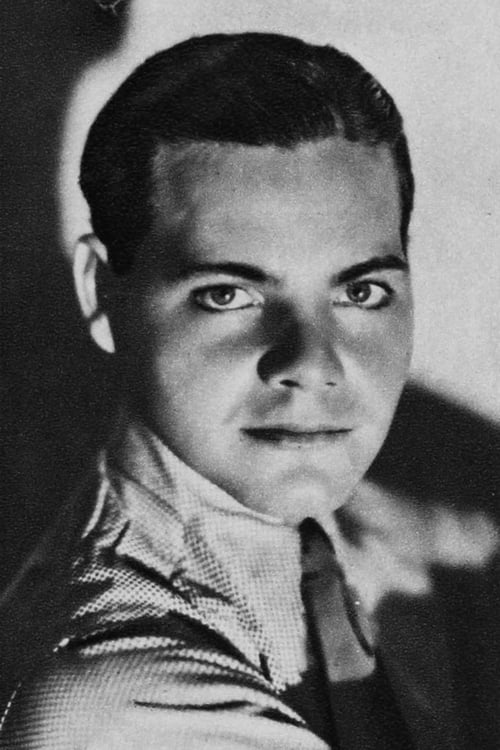
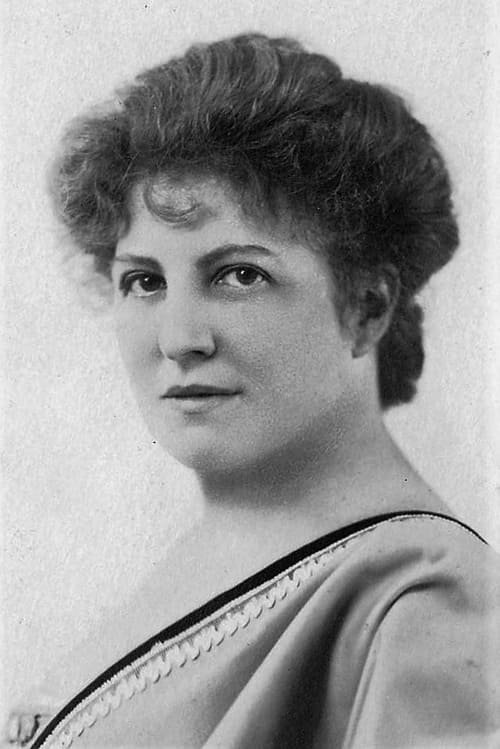
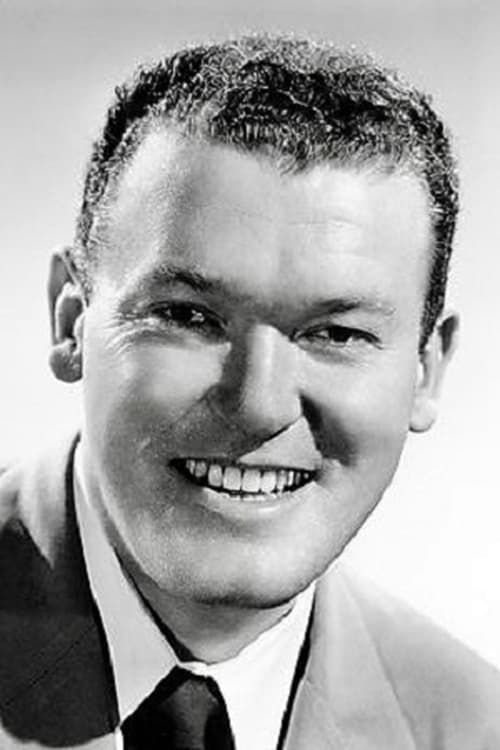
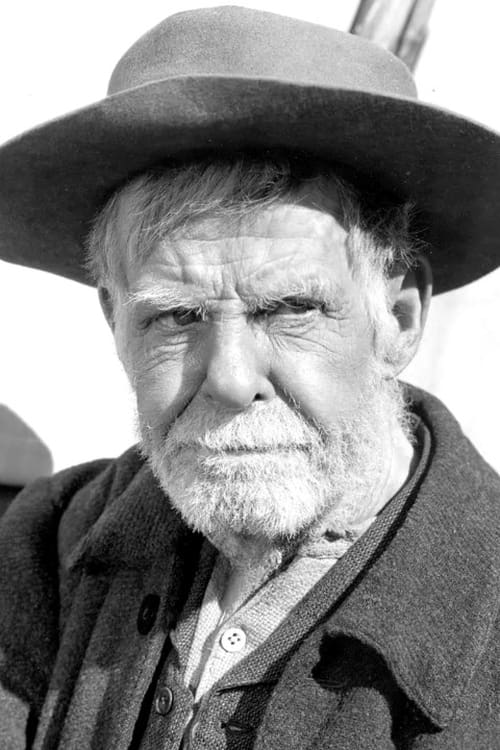
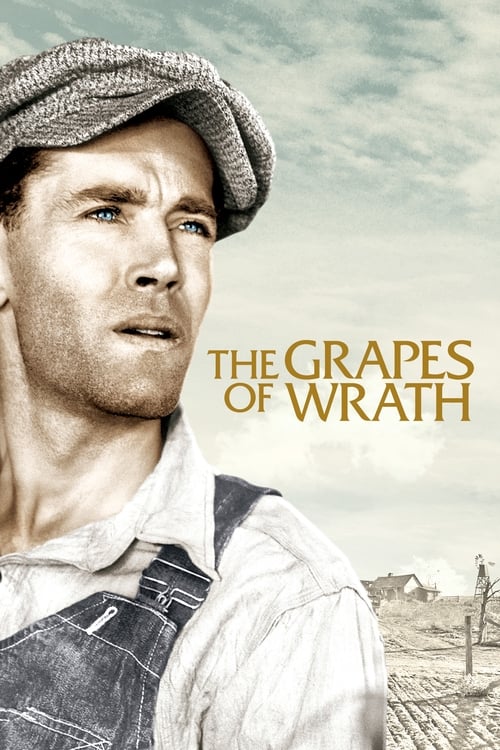
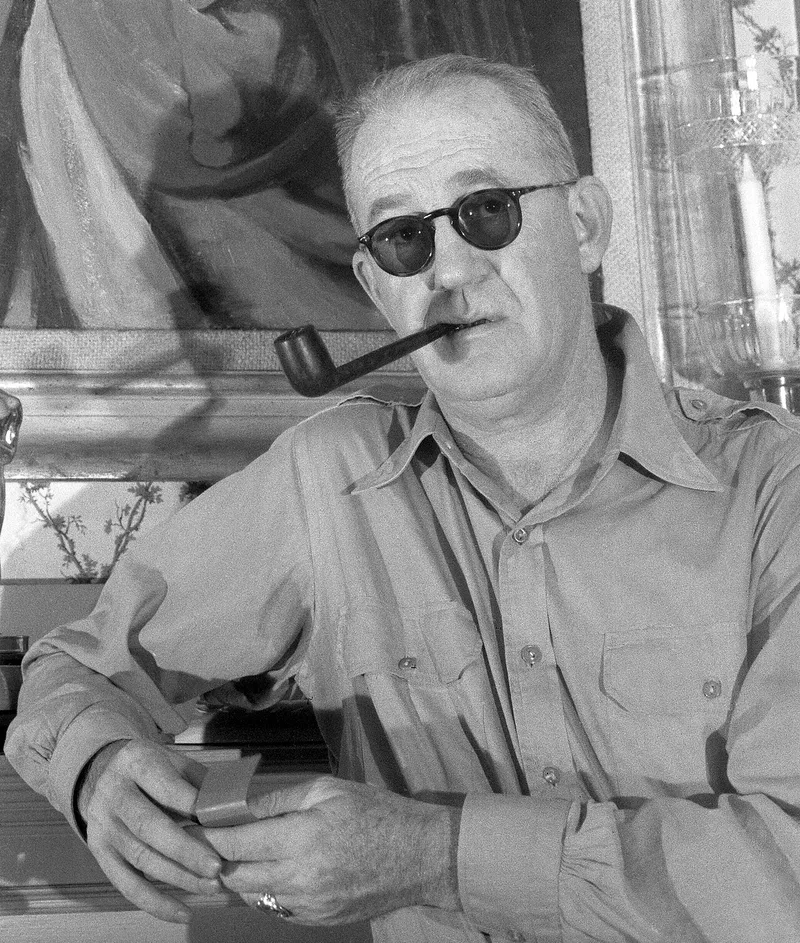
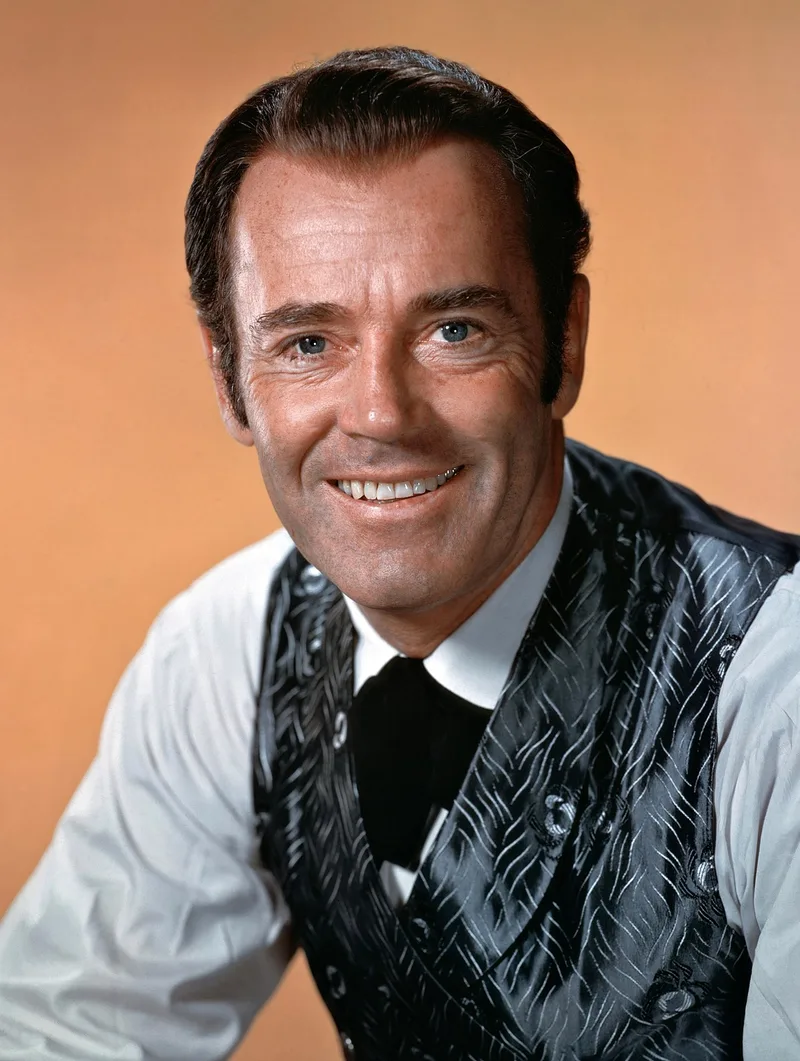
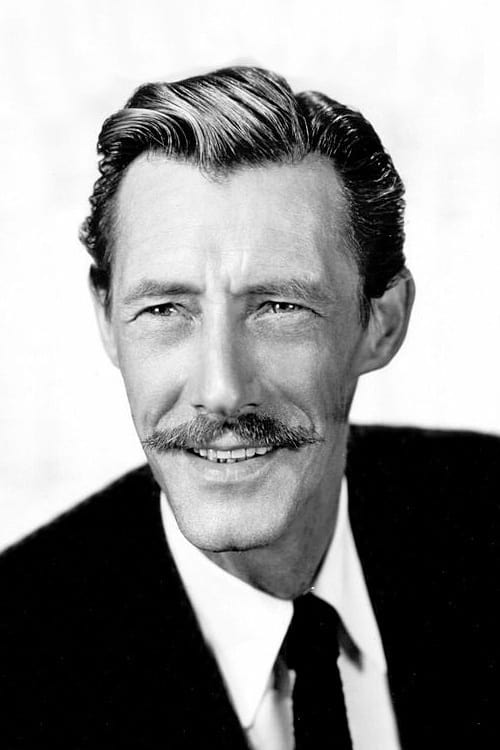
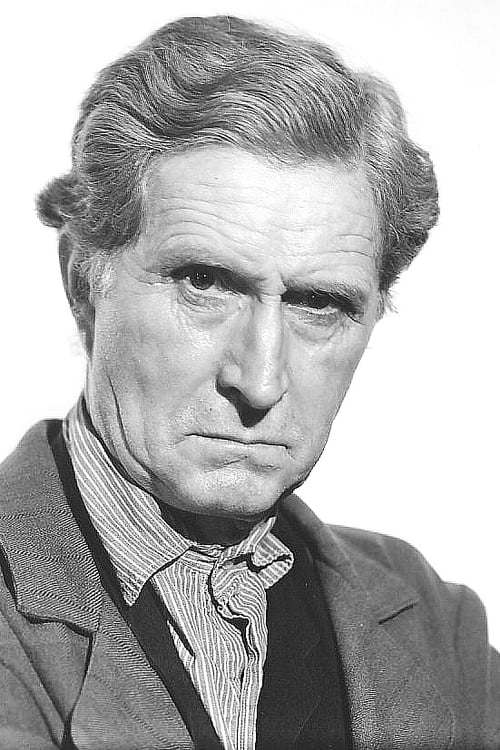
"In the vast library where the celluloid literature of the screen is stored there is one small, uncrowded shelf devoted to the cinema's masterworks, to those films which by dignity of theme and excellence of treatment seem to be of enduring artistry, seem destined to be recalled not merely at the end of their particular year but whenever great motion pictures are mentioned. To that shelf of screen classics Twentieth Century-Fox yesterday added its version of John Steinbeck's The Grapes of Wrath, adapted by Nunnally Johnson, directed by John Ford and performed at the Rivoli by a cast of such uniform excellence and suitability that we should be doing its other members an injustice by saying it was "headed" by Henry Fonda, Jane Darwell, John Carradine and Russell Simpson."
Lee Mortimer of the New York Daily Mirror called it "as brave a picture as has yet come out of Hollywood". Archer Winsten of the New York Evening Post said it was "an unusually powerful exposition of a contemporary situation and problem". Eileen Creelman of The Evening Sun referred to it as "a magnificently directed picture that has no trace of entertainment value".
When critic Bosley Crowther retired in 1967, he named The Grapes of Wrath one of the fifty best films ever made.
In a film review written for Time magazine by its editor Whittaker Chambers, he separated his views of Steinbeck's novel from Ford's film, which he liked.
Chambers wrote:
"But people who go to pictures for the sake of seeing pictures will see a great one. For The Grapes of Wrath is possibly the best picture ever made from a so-so book...Camera craft purged the picture of the editorial rash that blotched the Steinbeck book. Cleared of excrescences, the residue is a great human story which made thousands of people, who damned the novel's phony conclusions, read it. It is the saga of an authentic U.S. farming family who lose their land. They wander, they suffer, but they endure. They are never quite defeated, and their survival is itself a triumph."
A review in Variety reported, "Here is outstanding entertainment, projected against a heart-rending sector of the American scene," concluding, "It possesses an adult viewpoint and its success may lead other producers to explore the rich field of contemporary life which films long have neglected and ignored." John Mosher wrote in The New Yorker, "With a majesty never before so constantly sustained on any screen, the film never for an instant falters. Its beauty is of the sort found in the art of Burchfield, Benton and Curry, as the landscape and people involved belong to the world of these painters." Writing in The Nation, critic James Agee explained, "The Hollywood traditions of acting ...are incapable even at best of convincing one, except in the frankest kind of myth. I like the myths very well and some of the actors in them, but when there is any pretense whatever of portraying "real" people—as in The Grapes of Wrath ... such actors are painfully out of place. Acting ... must inevitably develop a tradition, a style, which must as inevitably, in the long run, stultify and destroy itself."
Martin Quigley, the editor of the Motion Picture Herald, acknowledged that the film was well done but said that it was an "emphatic item of evidence in support of the...assertion...that the entertainment motion picture is no place for social, political and economic argument." He said that the "audience import of the picture...becomes a demagogic preachment" and implied possible disbelief of the conditions portrayed "guided by the heavy and designing hand of John Steinbeck". In response, Boxoffice magazine published a detailed response to how factual they felt the film was and Nugent in The New York Times also responded, claiming that Quigley seemed to have very little respect for the mentality of the moviegoer.
The Film Daily year-end poll of 546 critics nationwide ranked The Grapes of Wrath as the second-best film of the year, behind only Hitchcock's Rebecca.
On the review aggregator website Rotten Tomatoes, 100% of 48 critics' reviews are positive, with an average rating of 9/10. The website's consensus reads: "A potent drama that is as socially important today as when it was made, The Grapes of Wrath is affecting, moving, and deservedly considered an American classic." Metacritic, which uses a weighted average, assigned the film a score of 96 out of 100, based on 16 critics, indicating "universal acclaim".
In 2006, Writers Guild of America West ranked the film's screenplay 98th in WGA’s list of 101 Greatest Screenplays.





.JPG?width=400)


_-_08.png?width=400)