Medications
The Center for Drug Evaluation and Research uses different requirements for the three main drug product types: new drugs, generic drugs, and over-the-counter drugs. A drug is considered "new" if it is made by a different manufacturer, uses different excipients or inactive ingredients, is used for a different purpose, or undergoes any substantial change. The most rigorous requirements apply to new molecular entities: drugs that are not based on existing medications.
New drugs receive extensive scrutiny before FDA approval in a process called a new drug application (NDA). During the first Donald Trump presidency, the agency worked to make the drug-approval process go faster. Critics, however, argue that FDA standards are not sufficiently rigorous to prevent unsafe or ineffective drugs from getting approval. New drugs are available only by prescription by default. A change to over-the-counter (OTC) status is a separate process, and the drug must be approved through an NDA first. A drug that is approved is said to be "safe and effective when used as directed". Drugs being produced by a new manufacturer can be approved through one of two faster processes: the Abbreviated New Drug Application (ANDA) or the 505(b)(2) regulatory pathway for complex generic or biosimilar medications.
Very rare, limited exceptions to this multi-step process involving animal testing and controlled clinical trials can be granted out of compassionate use protocols. This was the case during the 2015 Ebola epidemic with the use, by prescription and authorization, of ZMapp and other experimental treatments, and for new drugs that can be used to treat debilitating and/or very rare conditions for which no existing remedies or drugs are satisfactory, or where there has not been an advance in a long period of time. The studies are progressively longer, gradually adding more individuals as they progress from stage I to stage III, normally over a period of years, and normally involve drug companies, the government and its laboratories, and often medical schools and hospitals and clinics. However, any exceptions to the aforementioned process are subject to strict review and scrutiny and conditions, and are only given if a substantial amount of research and at least some preliminary human testing has shown that they are believed to be somewhat safe and possibly effective. (See FDA Special Protocol Assessment about Phase III trials.)
The FDA's Office of Prescription Drug Promotion (OPDP) has responsibilities that revolve around the review and regulation of prescription drug advertising and promotion. This is achieved through surveillance activities and the issuance of enforcement letters to pharmaceutical manufacturers. Advertising and promotion for over-the-counter drugs is regulated by the Federal Trade Commission. The FDA also implements regulatory oversight through engagement with third-party enforcer firms. It expects pharmaceutical companies to ensure that third-party suppliers and labs comply with the agency's health and safety guidelines.
The drug advertising regulation contains two broad requirements: (1) a company may advertise or promote a drug only for the specific indication or medical use for which it was approved by FDA. Also, an advertisement must contain a "fair balance" between the benefits and the risks (side effects) of a drug. The regulation of drug advertising in the U.S. is divided between the Food and Drug Administration (FDA) and the Federal Trade Commission (FTC), based on whether the drug in question is a prescription drug or an over-the-counter (OTC) drug. The FDA oversees the advertising of prescription drugs, while the FTC regulates the advertising of OTC drugs.
The term off-label refers to the practice of prescribing a drug for a different purpose than what the FDA approved.
Due to this approval requirement, manufacturers were prohibited from advertising COVID-19 vaccines during the period in which they had only been approved under Emergency Use Authorization.
After NDA approval, the sponsor must then review and report to the FDA every single patient adverse drug experience it learns of. They must report unexpected serious and fatal adverse drug events within 15 days, and other events on a quarterly basis. The FDA also receives directly adverse drug event reports through its MedWatch program. These reports are called "spontaneous reports" because reporting by consumers and health professionals is voluntary.
While this remains the primary tool of post-market safety surveillance, FDA requirements for post-marketing risk management are increasing. As a condition of approval, a sponsor may be required to conduct additional clinical trials, called Phase IV trials. In some cases, the FDA requires risk management plans called Risk Evaluation and Mitigation Strategies (REMS) for some drugs that require actions to be taken to ensure that the drug is used safely. For example, thalidomide can cause birth defects, but has uses that outweigh the risks if men and women taking the drugs do not conceive a child; a REMS program for thalidomide mandates an auditable process to ensure that people taking the drug take action to avoid pregnancy; many opioid drugs have REMS programs to avoid addiction and diversion of drugs. The drug isotretinoin has a REMS program called iPLEDGE.
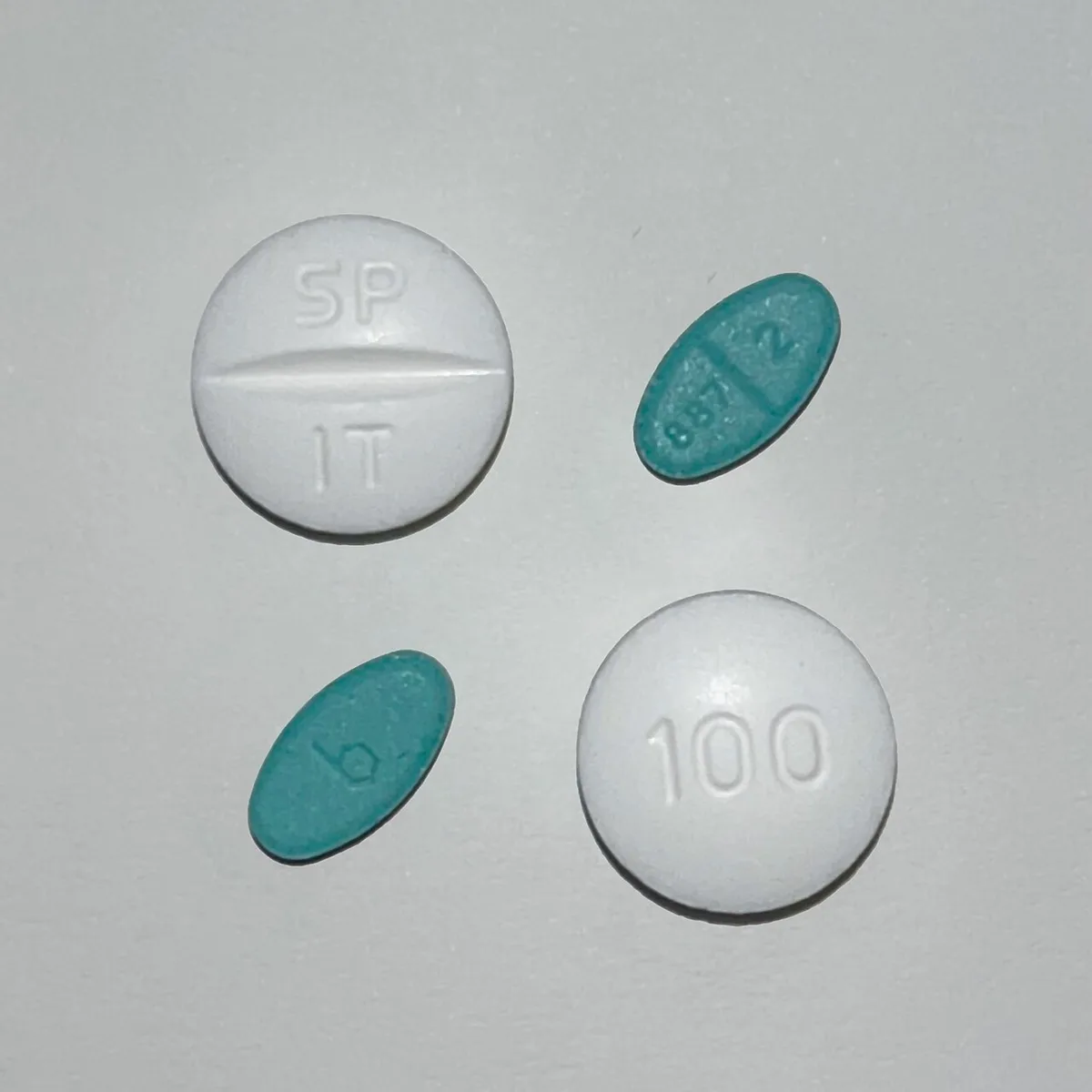
Generic drugs are chemical and therapeutic equivalents of name-brand drugs, normally whose patents have expired. Approved generic drugs should have the same dosage, safety, effectiveness, strength, stability, and quality, as well as route of administration. In general, they are less expensive than their name brand counterparts, are manufactured and marketed by rival companies and, in the 1990s, accounted for about a third of all prescriptions written in the United States. For a pharmaceutical company to gain approval to produce a generic drug, the FDA requires scientific evidence that the generic drug is interchangeable with or therapeutically equivalent to the originally approved drug. This is called an Abbreviated New Drug Application (ANDA). 80% of prescription drugs sold in the United States are generic brands.
In 1989, a major scandal erupted involving the procedures used by the FDA to approve generic drugs for sale to the public. Charges of corruption in generic drug approval first emerged in 1988 during the course of an extensive congressional investigation into the FDA. The oversight subcommittee of the United States House Energy and Commerce Committee resulted from a complaint brought against the FDA by Mylan Laboratories Inc. of Pittsburgh. When its application to manufacture generics was subjected to repeated delays by the FDA, Mylan, convinced that it was being discriminated against, soon began its own private investigation of the agency in 1987. Mylan eventually filed suit against two former FDA employees and four drug-manufacturing companies, charging that corruption within the federal agency resulted in racketeering and violations of antitrust law. "The order in which new generic drugs were approved was set by the FDA employees even before drug manufacturers submitted applications," and, according to Mylan, this illegal procedure was followed to give preferential treatment to certain companies. During the summer of 1989, three FDA officials (Charles Y. Chang, David J. Brancat, and Walter Kletch) pleaded guilty to criminal charges of accepting bribes from generic drug makers, and two companies (Par Pharmaceutical and its subsidiary Quad Pharmaceuticals) pleaded guilty to giving bribes.
Furthermore, it was discovered that several manufacturers had falsified data submitted in seeking FDA authorization to market certain generic drugs. Vitarine Pharmaceuticals of New York, which sought approval of a generic version of the drug Dyazide, a medication for high blood pressure, submitted Dyazide, rather than its generic version, for the FDA tests. In April 1989, the FDA investigated 11 manufacturers for irregularities; and later brought that number up to 13. Dozens of drugs were eventually suspended or recalled by manufacturers. In the early 1990s, the U.S. Securities and Exchange Commission filed securities fraud charges against the Bolar Pharmaceutical Company, a major generic manufacturer based in Long Island, New York.
Over-the-counter (OTC) drugs are drugs like aspirin that do not require a doctor's prescription. The FDA has a list of approximately 800 such approved ingredients that are combined in various ways to create more than 100,000 OTC drug products. Many OTC drug ingredients had been previously approved prescription drugs, now deemed safe enough for use without a medical practitioner's supervision, like ibuprofen.
In 2014, the FDA added an Ebola treatment being developed by Canadian pharmaceutical company Tekmira to the Fast Track program, but halted the phase 1 trials in July pending the receipt of more information about how the drug works. This was widely viewed as increasingly important in the face of a major outbreak of the disease in West Africa that began in late March 2014 and ended in June 2016.
During the coronavirus pandemic, FDA granted emergency use authorization for personal protective equipment (PPE), in vitro diagnostic equipment, ventilators and other medical devices.
On March 18, 2020, FDA inspectors postponed most foreign facility inspections and all domestic routine surveillance facility inspections. In contrast, the USDA's Food Safety and Inspection Service (FSIS) continued inspections of meatpacking plants, which resulted in 145 FSIS field employees who tested positive for COVID-19, and three who died.