


A former Minnesota state trooper told lawmakers this week that his superiors at the state’s Department of Human Services pressured him to downplay and even remove evidence of fraud tied to a child care assistance program.
Jay Swanson, who worked as a criminal investigator for the agency, described a pattern of resistance from leadership as he dug into suspicious activity. Speaking at a Minnesota House oversight hearing, he said the pushback went beyond disagreement — at times, it felt like intimidation.
In one instance, he said he was asked to delete or walk back findings he had prepared in response to questions from state legislators. He refused, telling officials he believed the request crossed a legal line.
Swanson also shared what he had learned during interviews connected to the investigation. According to his testimony, some individuals involved in the schemes described Minnesota as an especially easy place to commit child care fraud. He said he was told that this perception extended beyond the U.S., circulating among Somali refugee communities in East Africa, where people believed Minnesota offered the biggest payouts with the least resistance.
His remarks come as federal authorities ramp up enforcement. The FBI recently carried out raids on multiple child care centers in Minnesota, including one linked to a location previously associated with fraud cases. One earlier case involved a center whose owner pleaded guilty in 2018 and was ordered to pay more than a million dollars in restitution.
Swanson said that as his investigation gained traction back in 2017 and 2018, the state legislature asked the Office of the Legislative Auditor to review the child care assistance program. During that process, he claimed DHS officials tried to control how information was shared. At one point, after submitting written responses for internal approval, he said a supervisor confronted him angrily and demanded changes that would soften his conclusions.
Tensions didn’t ease after that. Swanson described ongoing efforts to discredit his work, including hiring an outside consulting firm that he said lacked relevant experience but was tasked with challenging his findings. He also said members of his unit faced harassment in the months that followed.
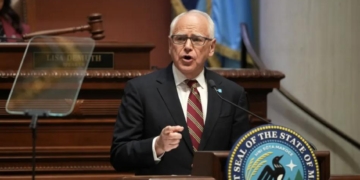
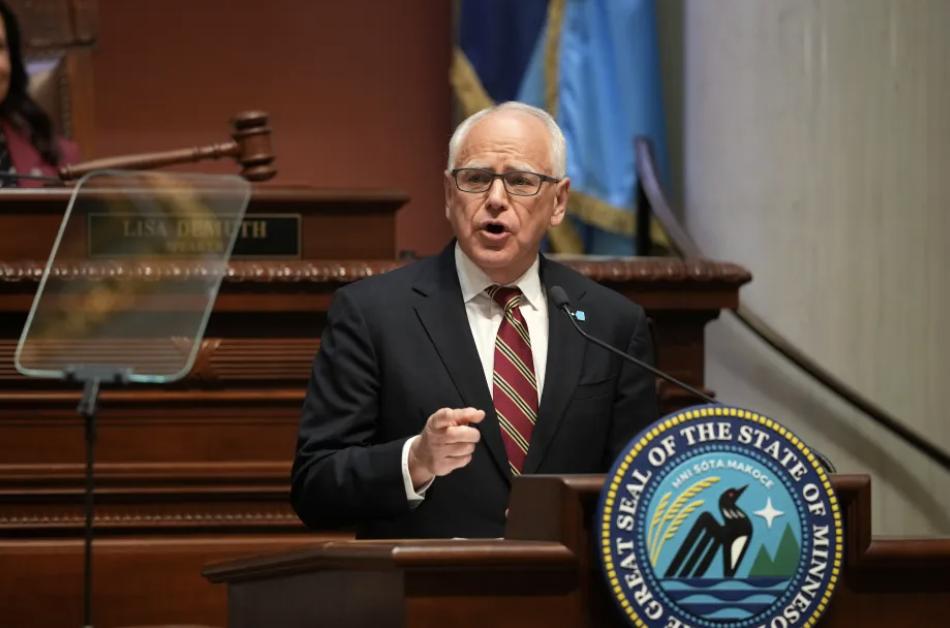
Republican lawmakers at the hearing argued that oversight weakened further after Governor Tim Walz took office in 2019. They pointed to the dismantling of an internal investigative unit that once had authority to pursue criminal cases, including working with state law enforcement. According to those lawmakers, that shift limited the state’s ability to catch fraud early.
The broader investigation has since grown significantly. Federal prosecutors say dozens of people have been charged in connection with fraud schemes tied to public assistance programs, with many already convicted. Estimates of the total losses vary widely, but officials agree the scope is substantial.
Walz, who recently emphasized a tougher stance on fraud following the FBI raids, has faced criticism from opponents who say his administration did not act quickly enough. Federal officials, meanwhile, have highlighted their own role in driving the investigations, pushing back on claims that the state led those efforts.